
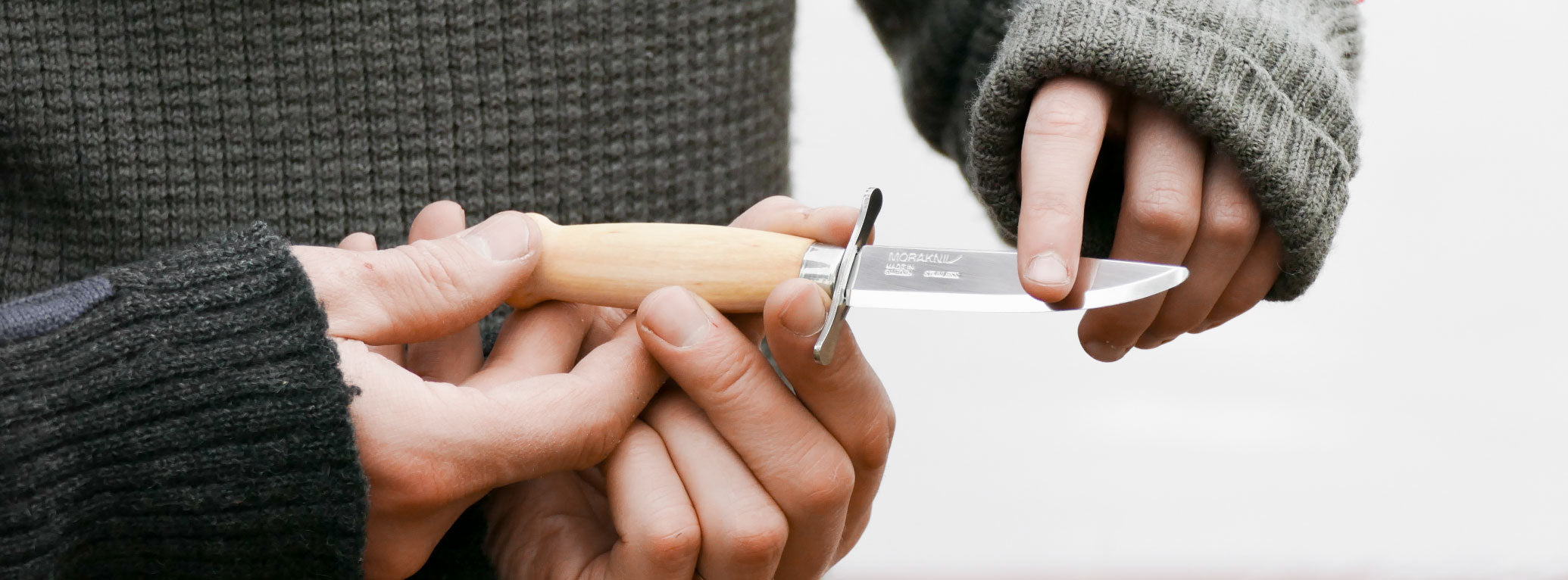

When can kids start whittling?
Whittling with a knife is an exciting activity that can be a great introduction to outdoor life. But there are good reasons not to start too early. Kids can start carving when their fine motor skills, coordination, and concentration are developed enough to safely handle a sharp knife—typically around age 7–8 (though it varies from child to child). They need to be able to follow instructions, stay focused, and understand safety rules. Start with simple projects and always ensure an adult is present to demonstrate safe knife use.Safety when whittling with kids
Safety is everything when kids are learning to carve. Always keep both the child and the knife within sight.- Make sure the work area is safe and free from distractions.
- Use a child friendly knife with a finger guard and ideally a rounded tip to reduce the risk of puncture injuries.
- Show the child how to hold and use the knife safely, and how to return it to its sheath. Hold the wood firmly with one hand and carve in a calm, controlled motion.
- Always keep a first aid kit nearby with bandages, wound tape, and small dressings in case of an accident.

Whittling knife for kids – choosing the right knife
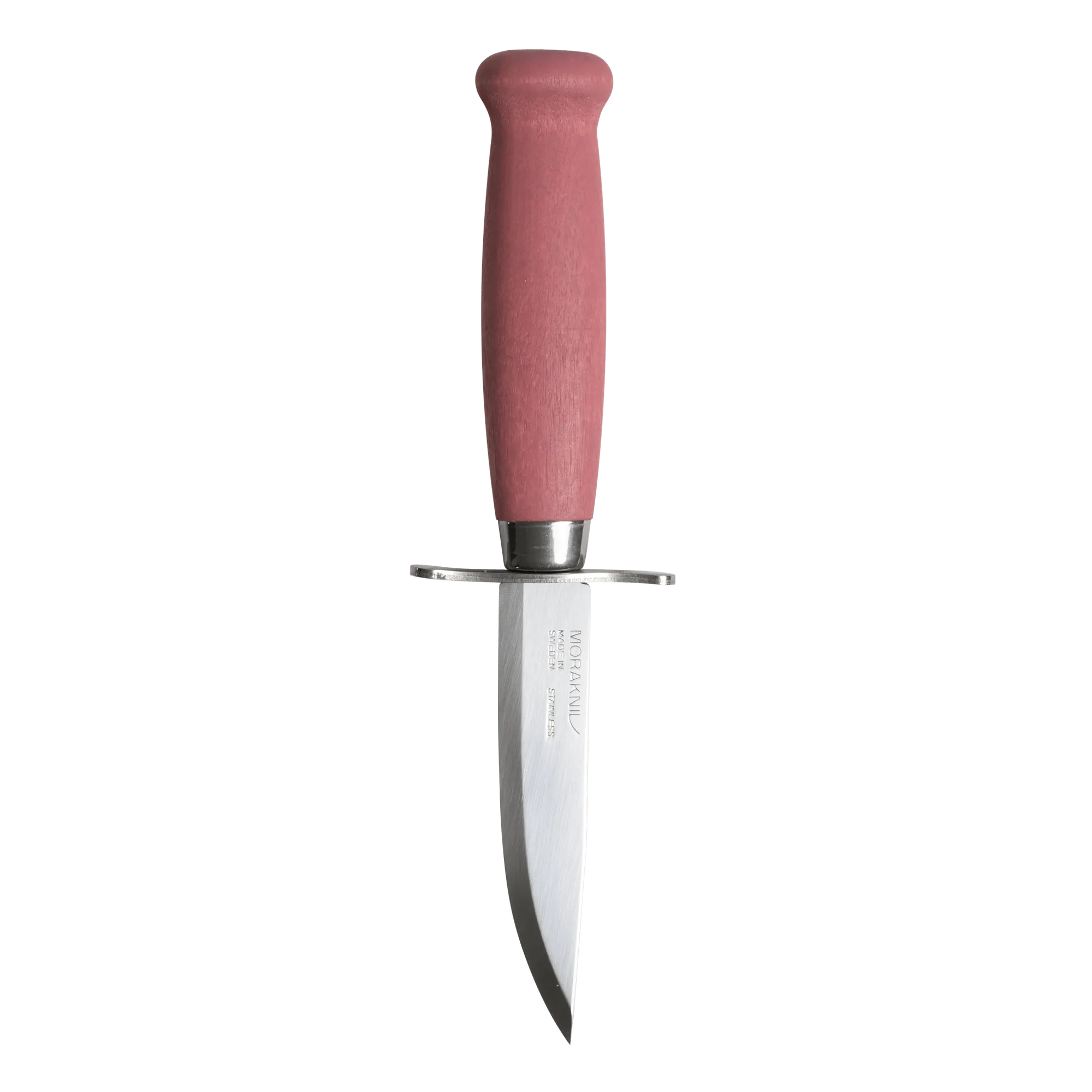
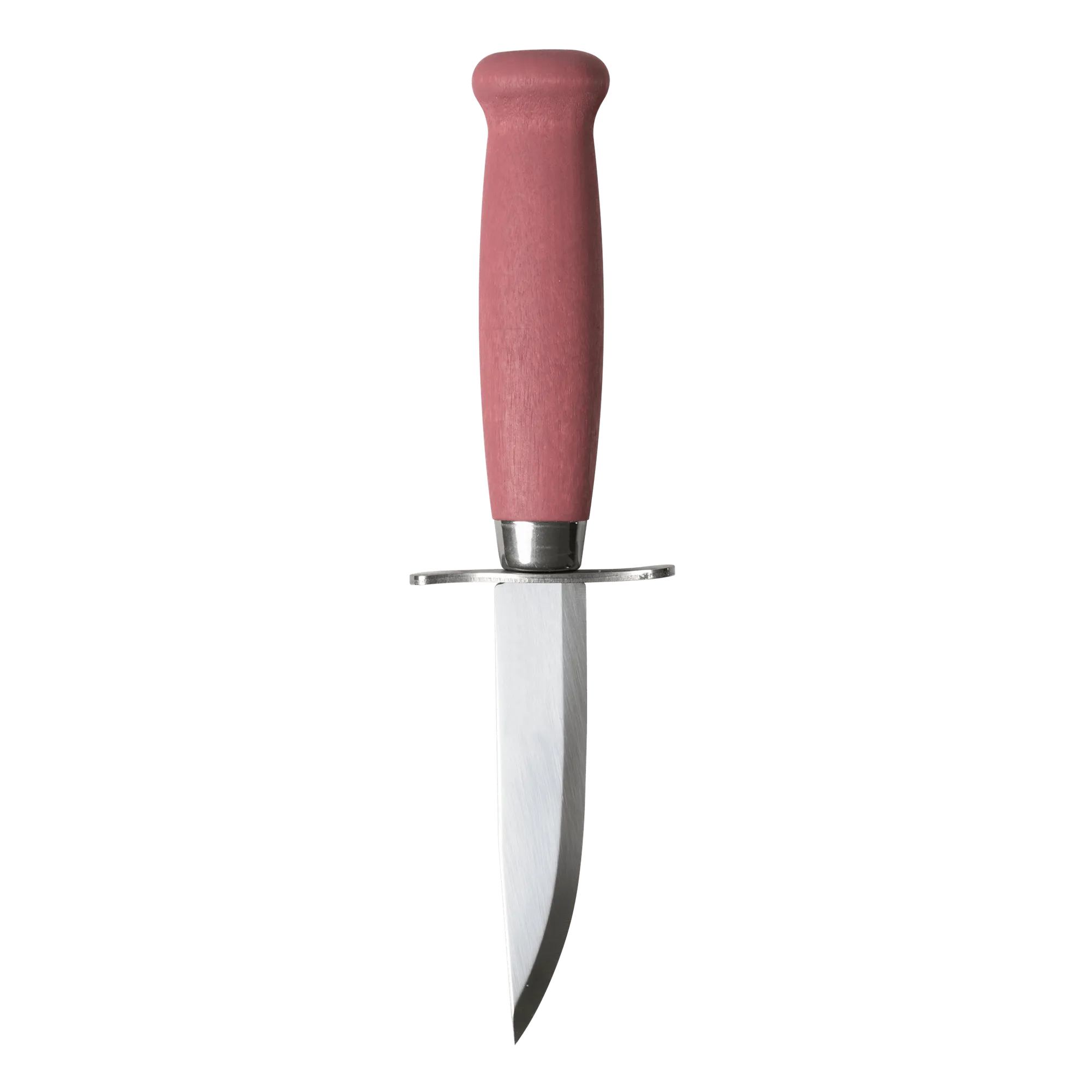
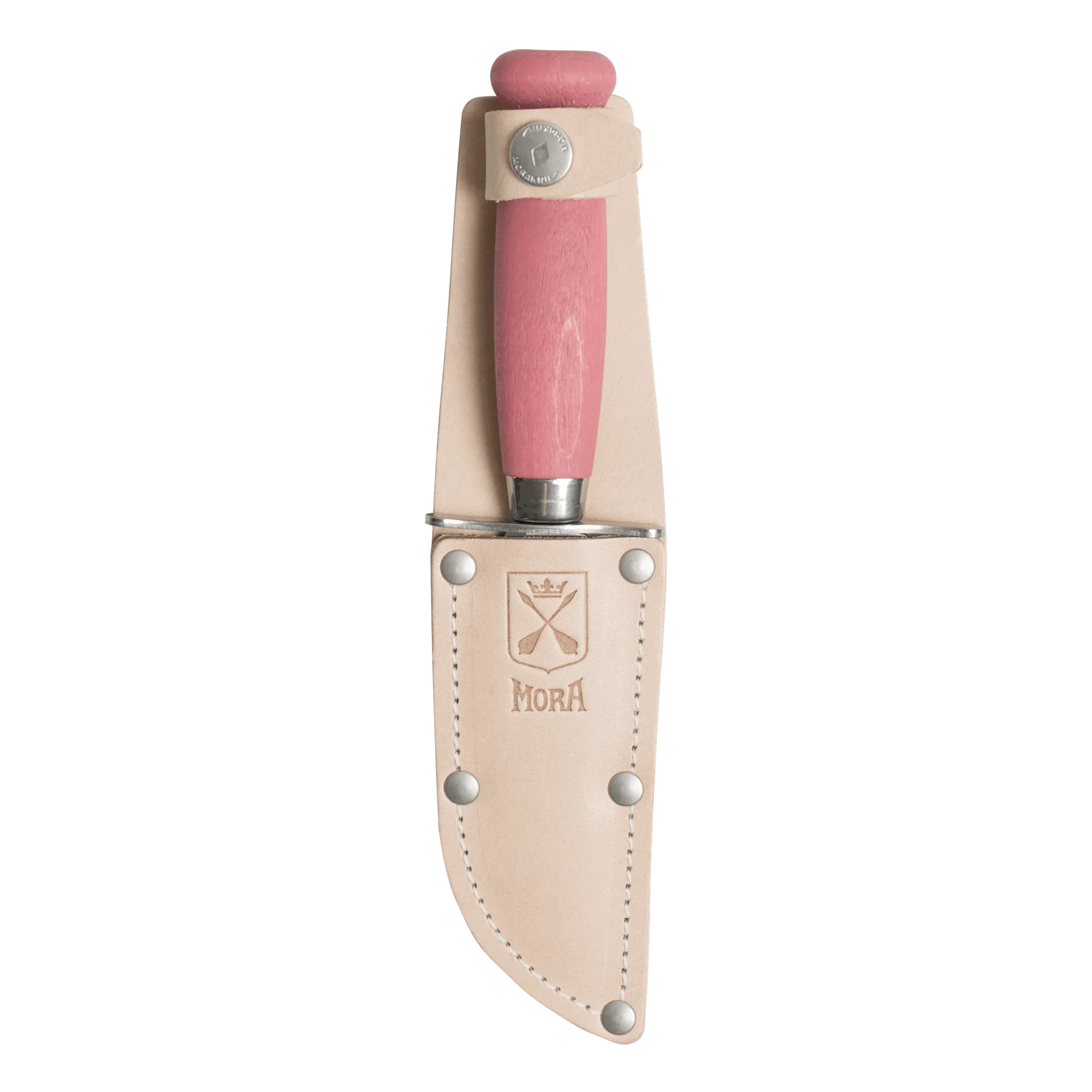
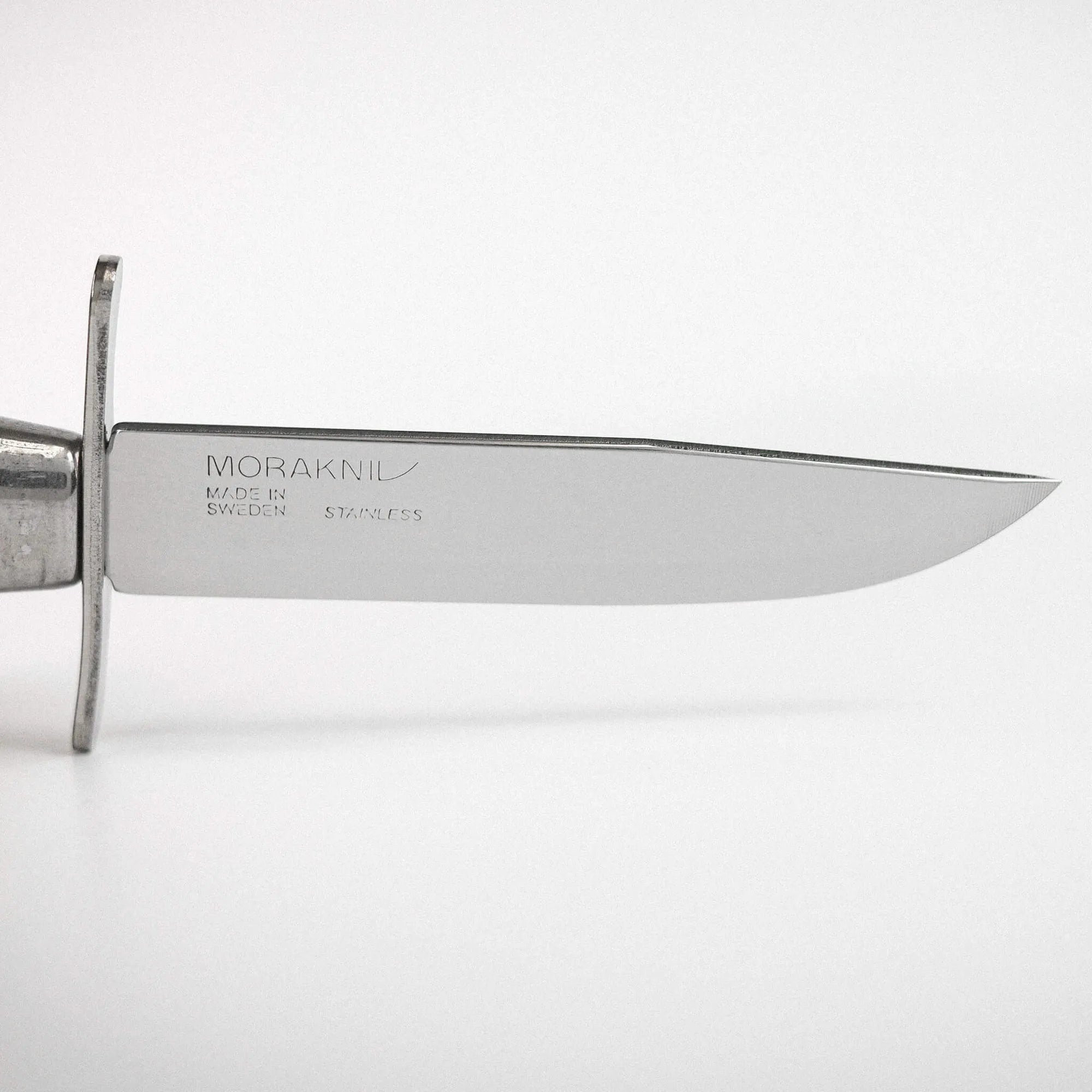
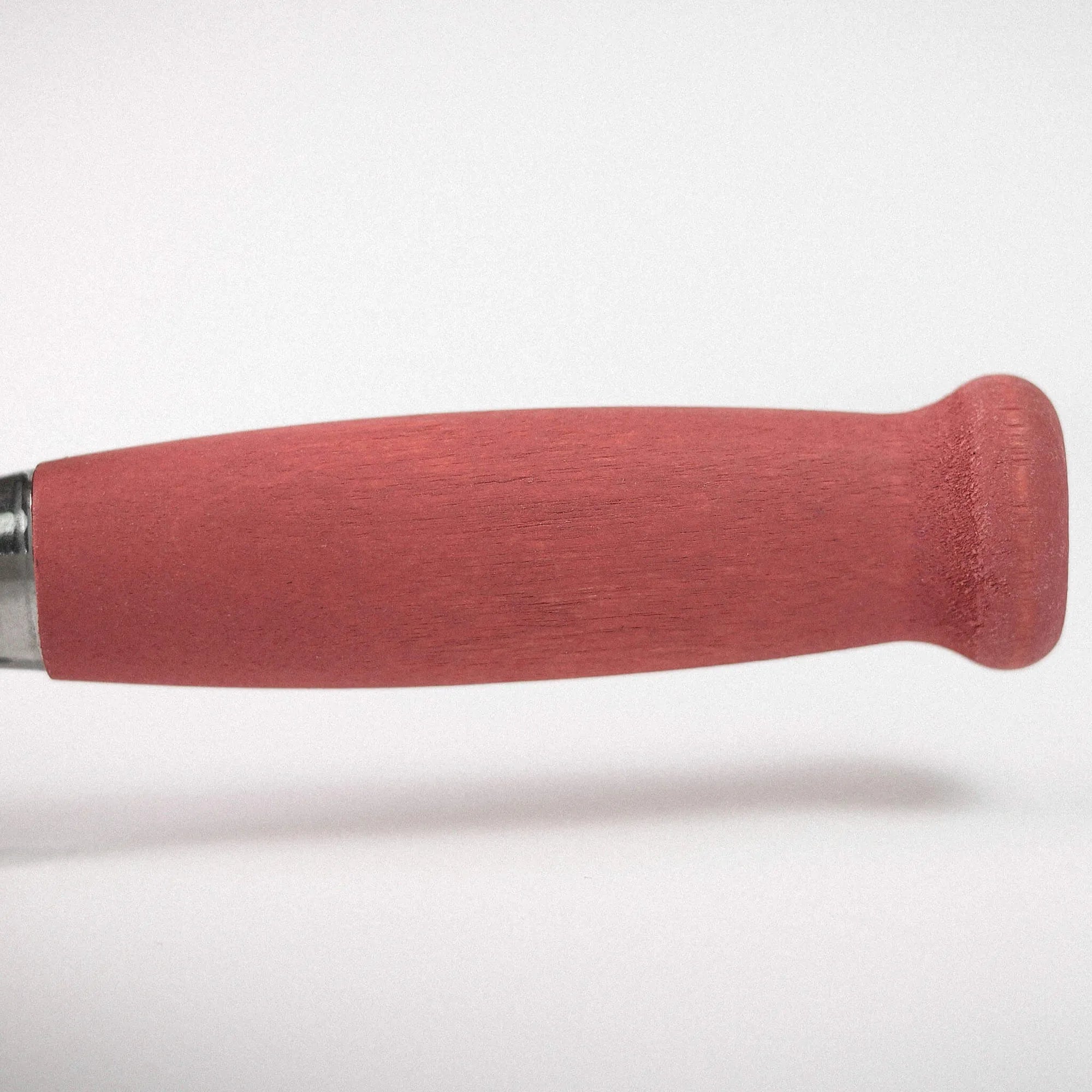
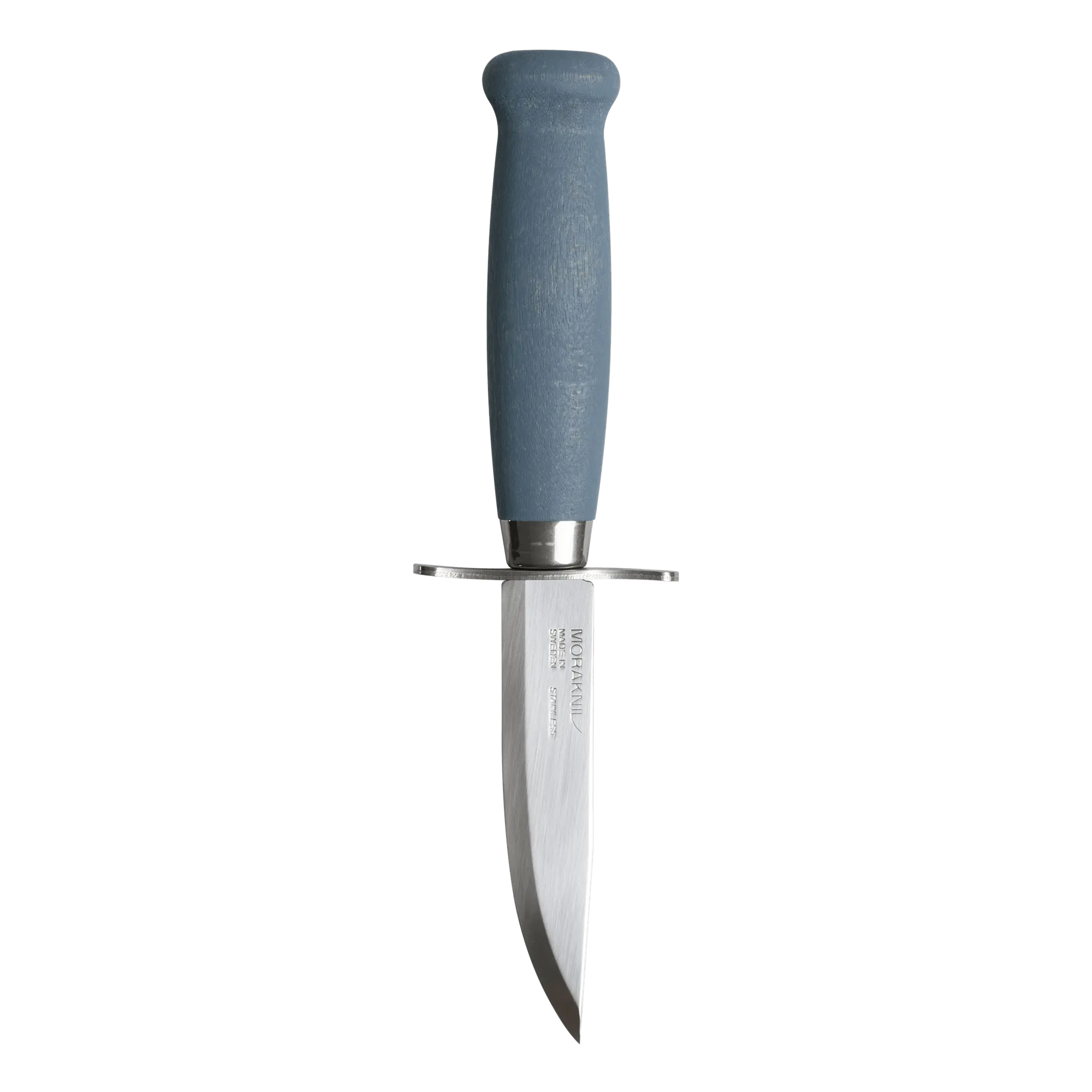
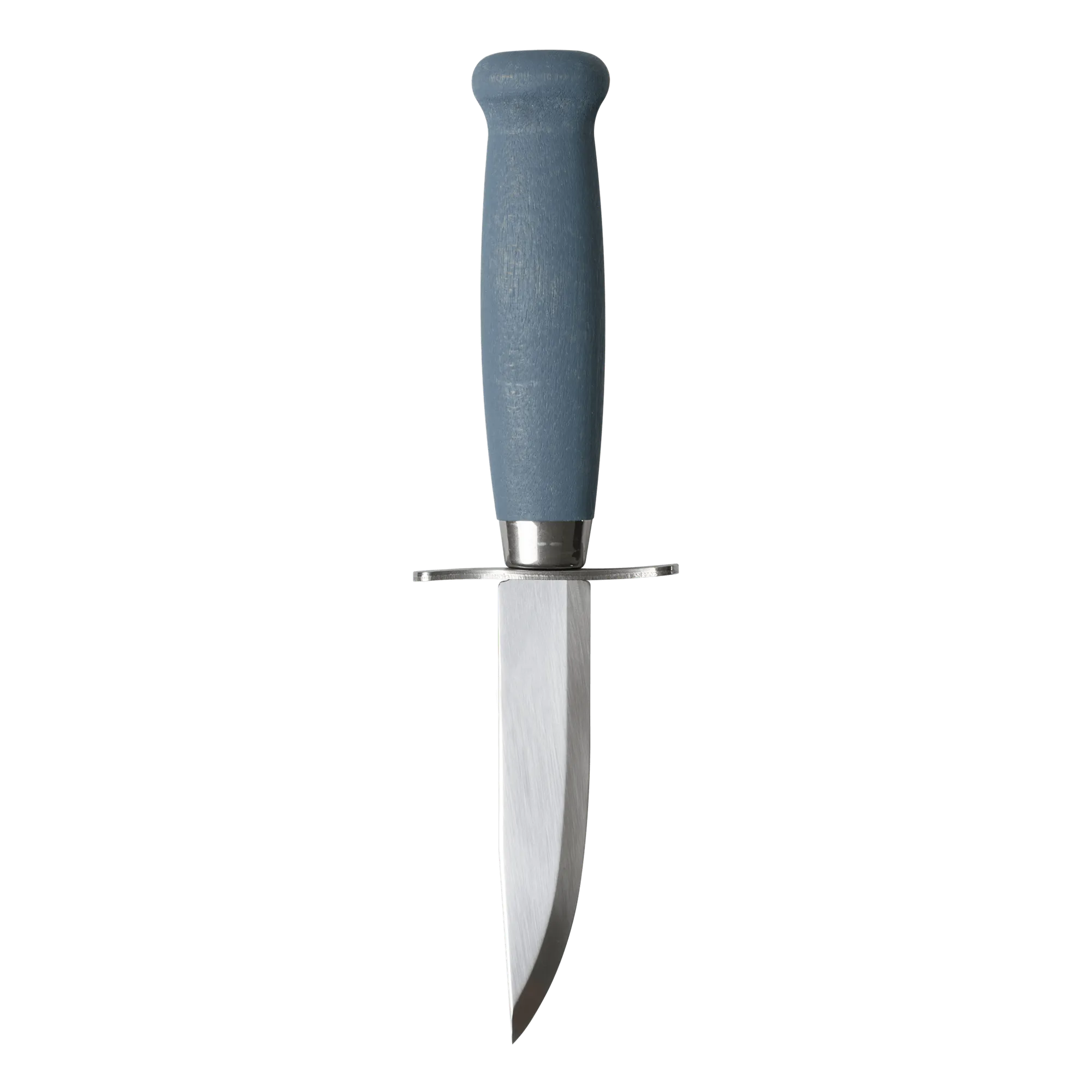
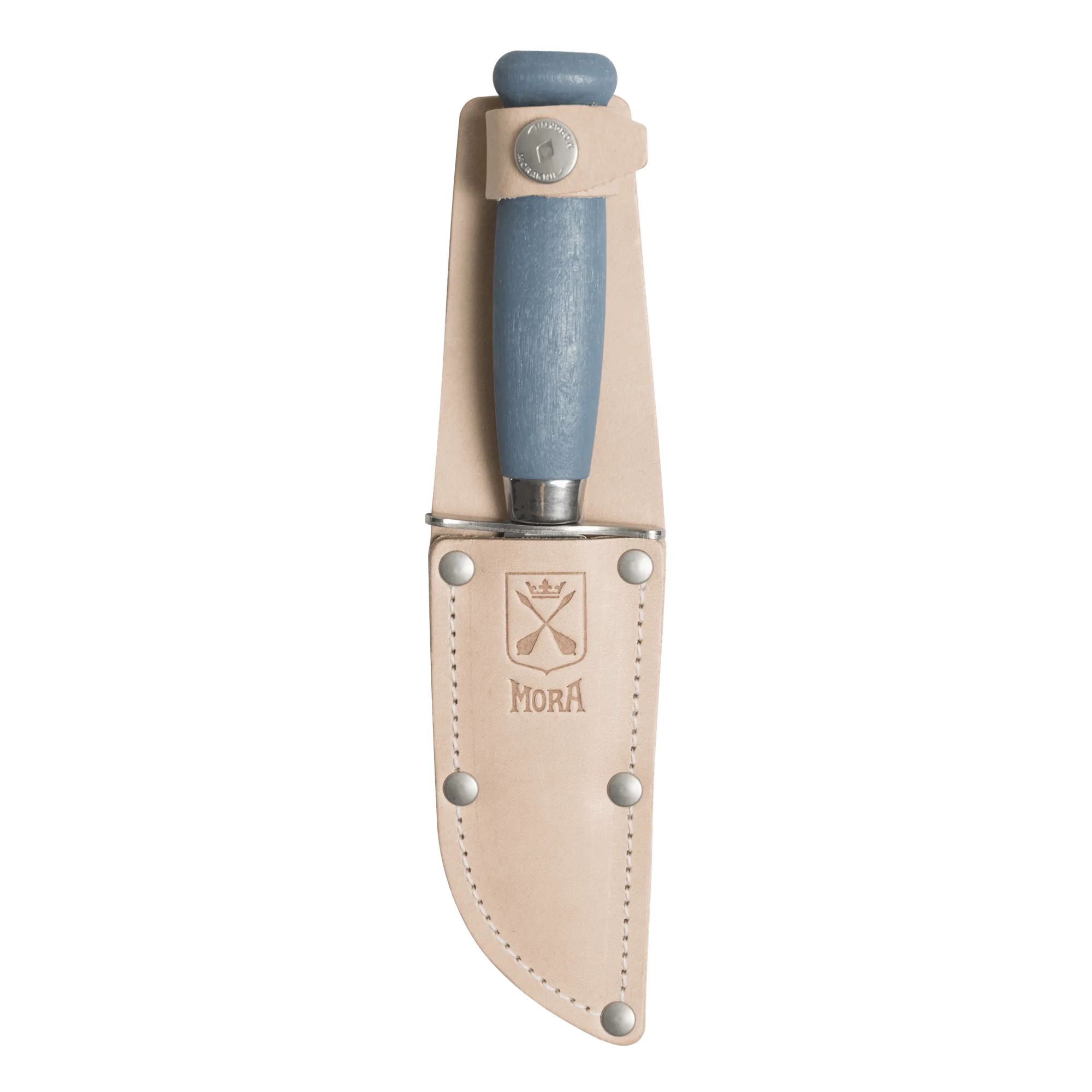
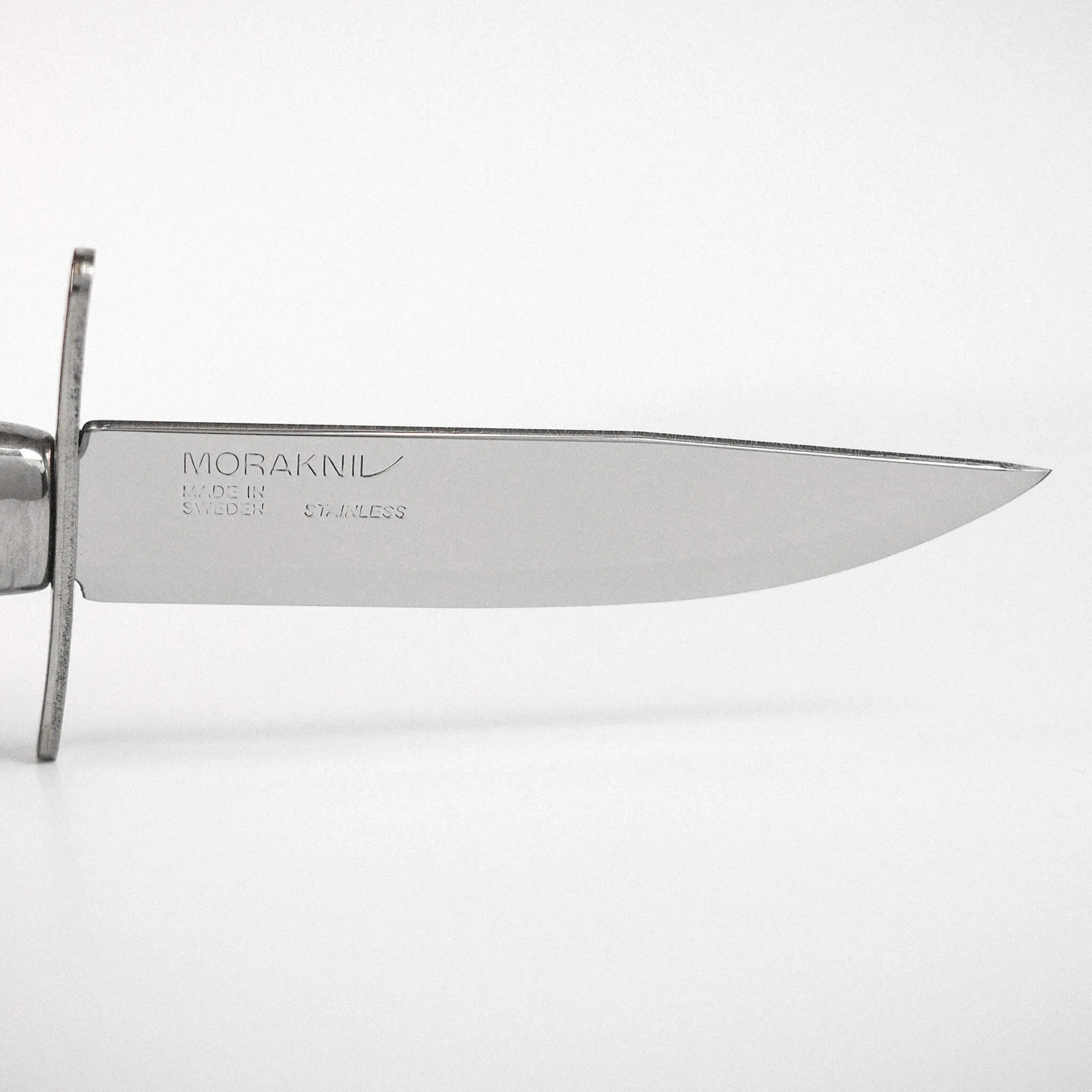
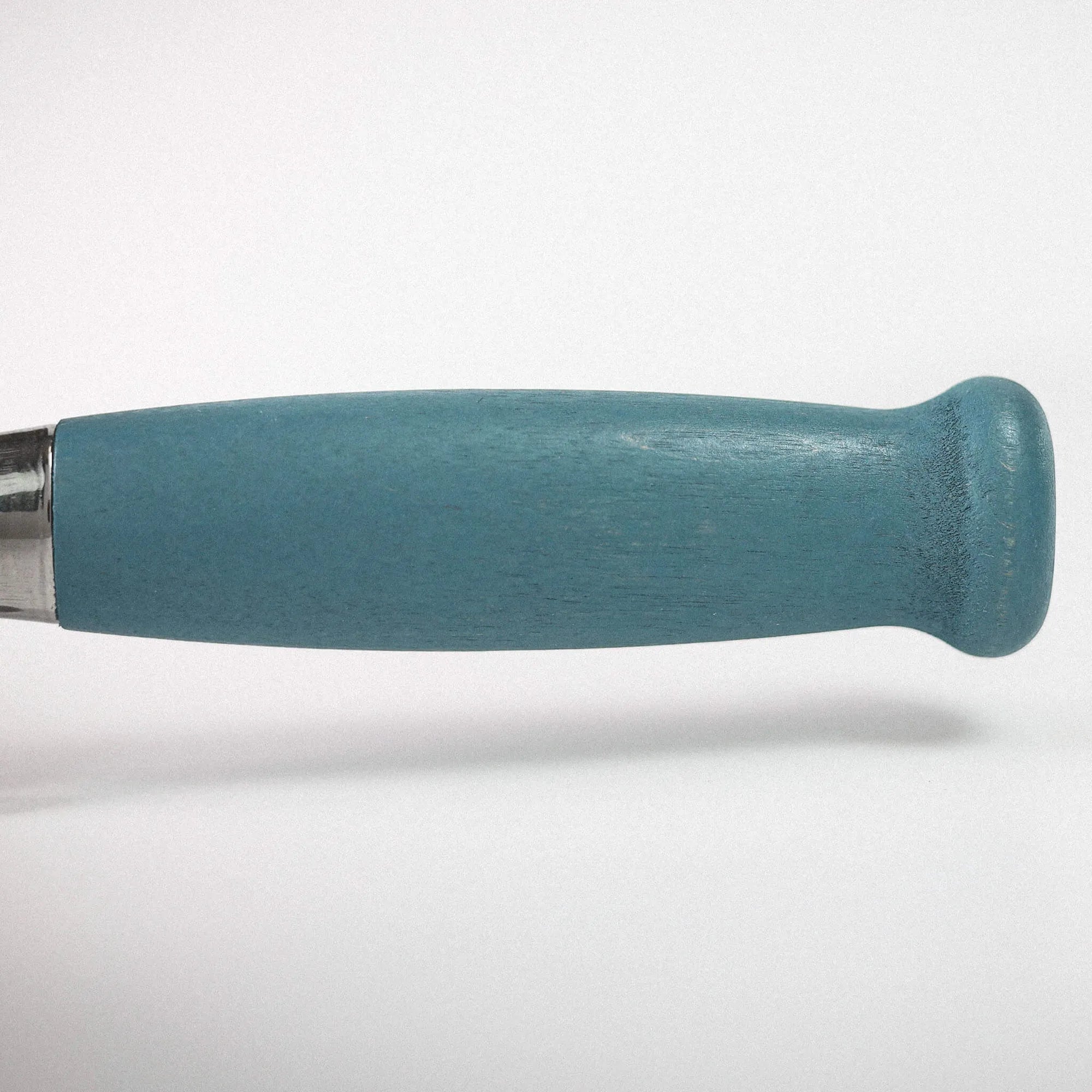
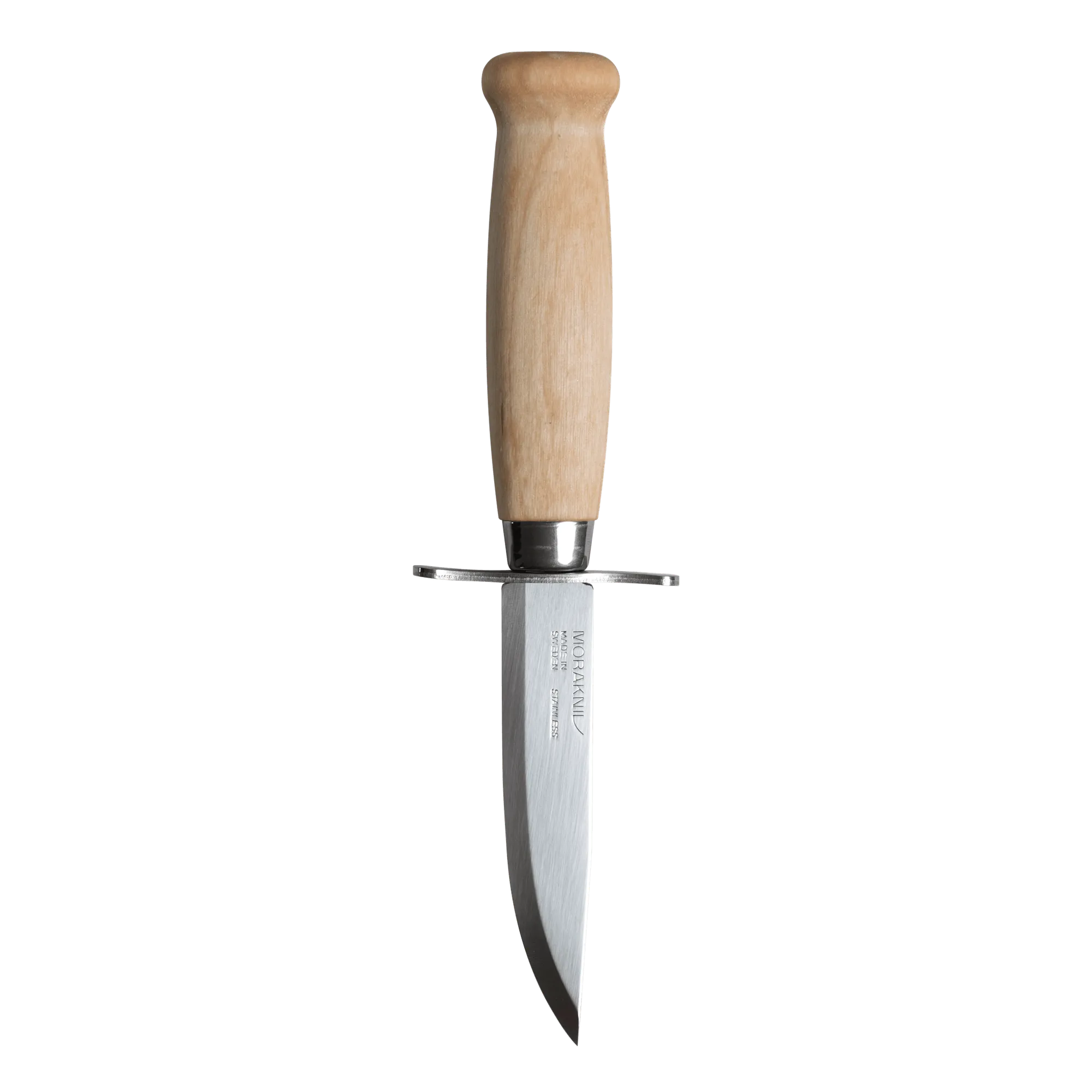
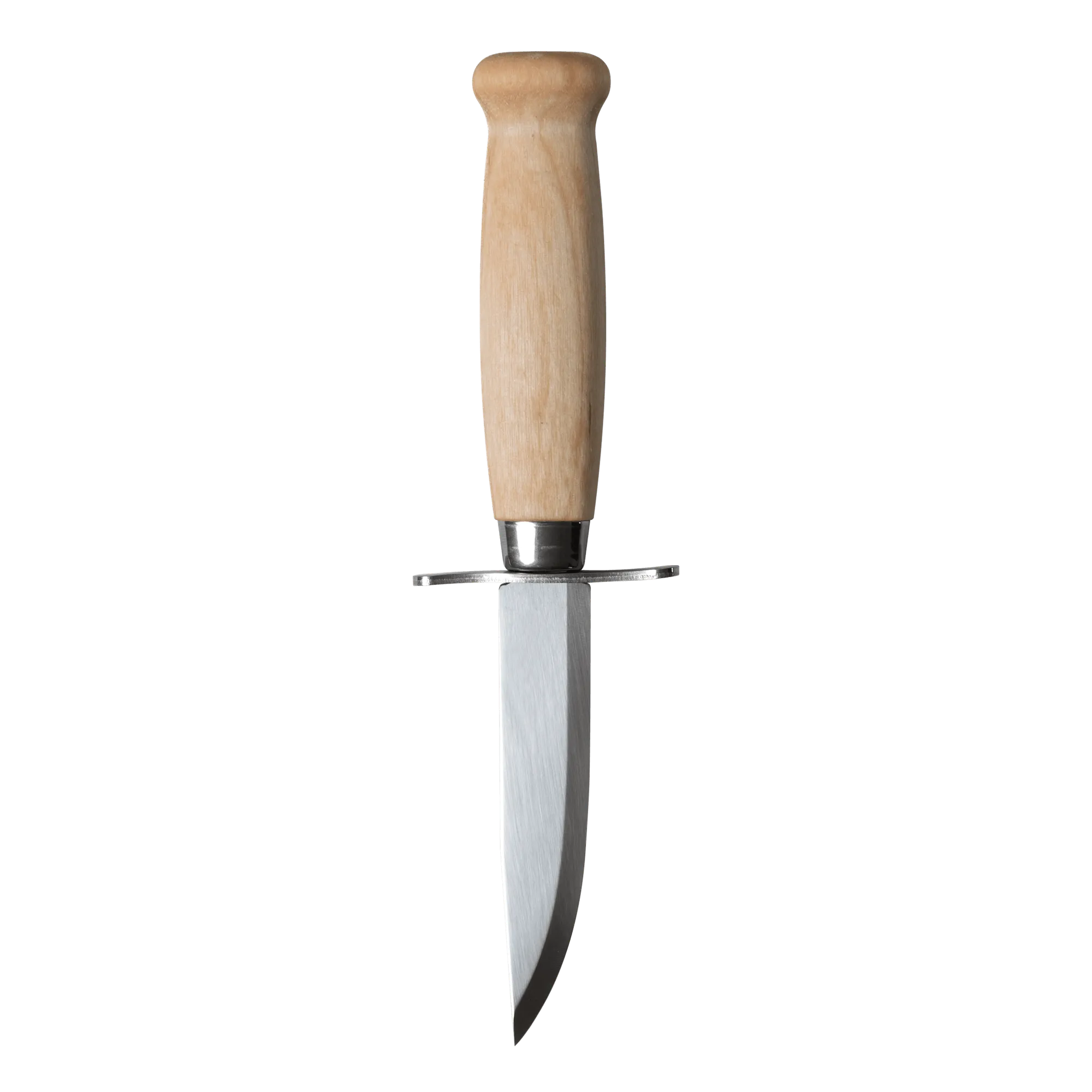
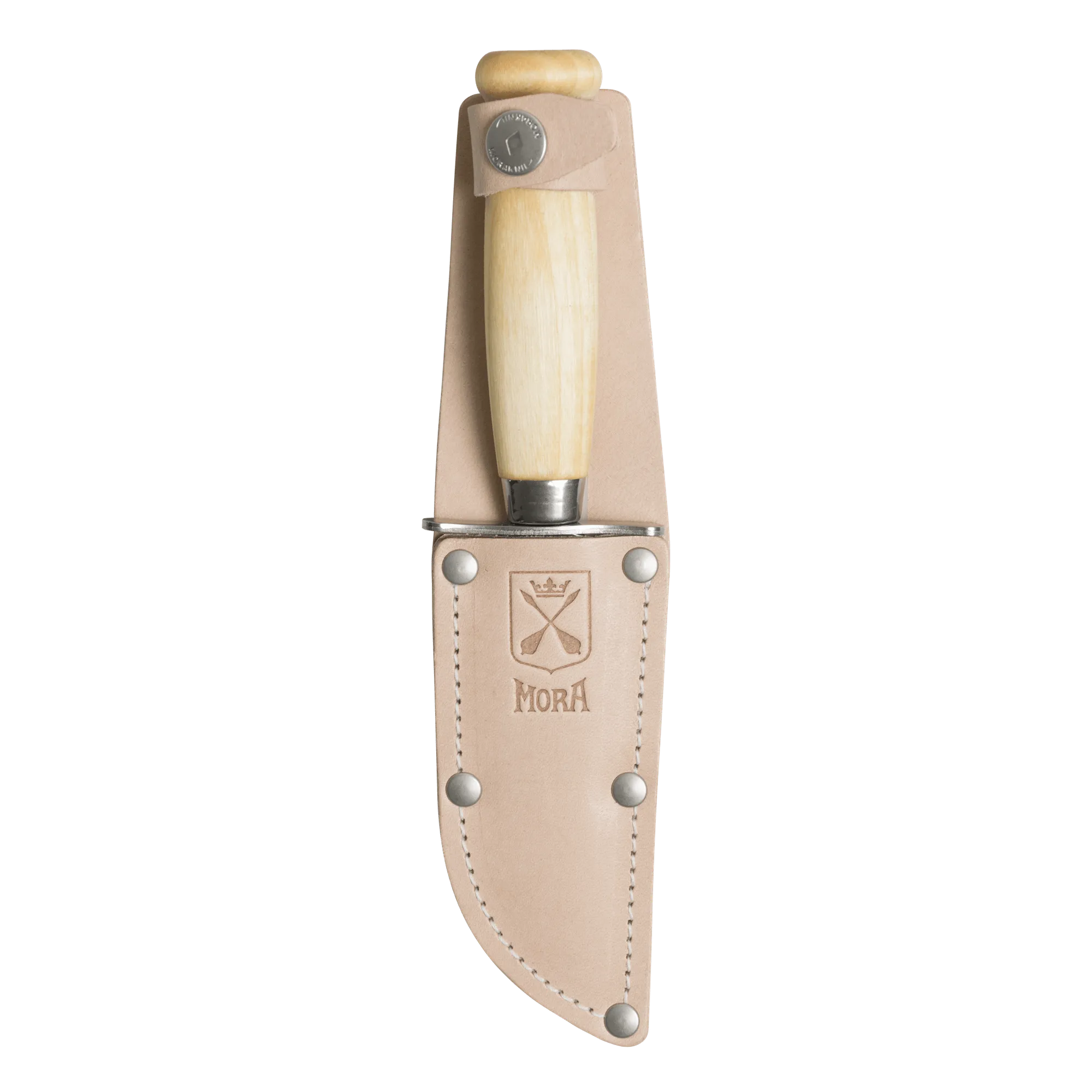
Among our child-friendly products, the Scout Knife has been a trusted first knife for kids since the 1930s—and it’s still a loyal companion on both big and small adventures. Our knives Scout 39 and Scout 39 Safe are both equipped with double guards that protect the fingers, birch handles that are available in the colors blue (Blueberry), pink (Lingonberry) and natural, and blades made of recycled Swedish stainless steel. The Scout Safe also has a rounded tip for extra protection.Our Scout knives also make popular birthday or christening gifts. Add a laser engraving with the child’s name or birthdate to create a personal and memorable present.

Choosing the right wood and material
For children, alder or aspen are great choices because they’re softer and easier to shape than woods like pine or spruce. Keep in mind that under Sweden’s right of public access, you may only collect branches and twigs that have already fallen to the ground. You’re not allowed to cut from live trees without the landowner’s permission. You can also ask a forest owner for leftover wood—or order fresh carving blanks online.Whittling is more than just a craft. It helps children learn how to handle knives safely, fosters an understanding of outdoor life, and builds appreciation for nature. Start with simple and fun projects—here are a few ideas that small hands can manage:
Marshmallow roasting stick
A perfect first project that adds a playful touch to outdoor adventures.Butter knife
A classic beginner project that gives kids a sense of pride every time the knife is used.Small wooden figure
Simple shapes are great for sparking imagination and creativity.
Tips and advice for a great whittling experience
- Choose a knife designed for kids, with a finger guard and a rounded tip.
- Let the child carve under supervision and at a calm, steady pace.
- Talk about the parts of the knife, such as the blade, handle, and tip, and how to use them safely.
- Remind the child that knives should never be left on the ground and must always be stored in their sheath.
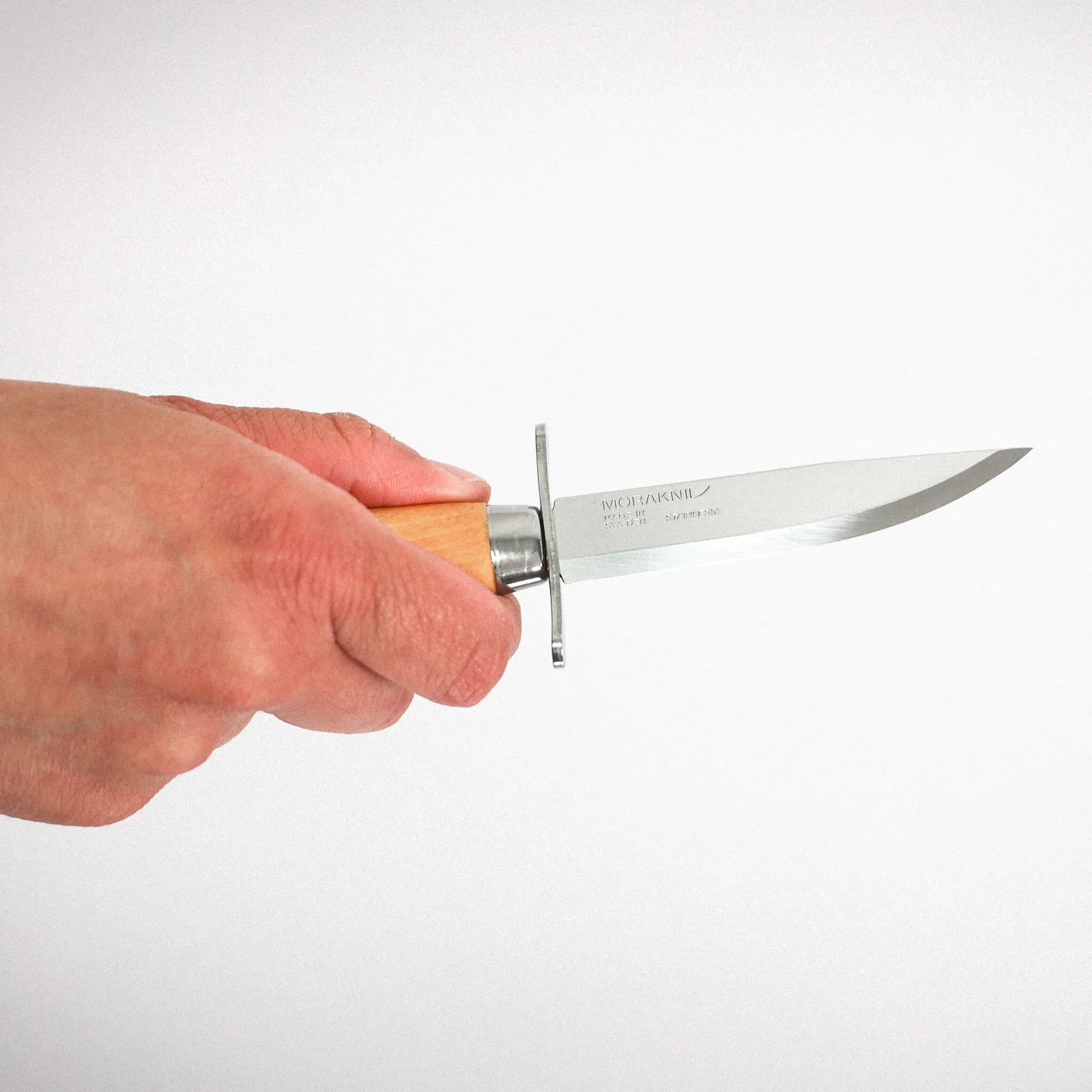


469,00 NOK
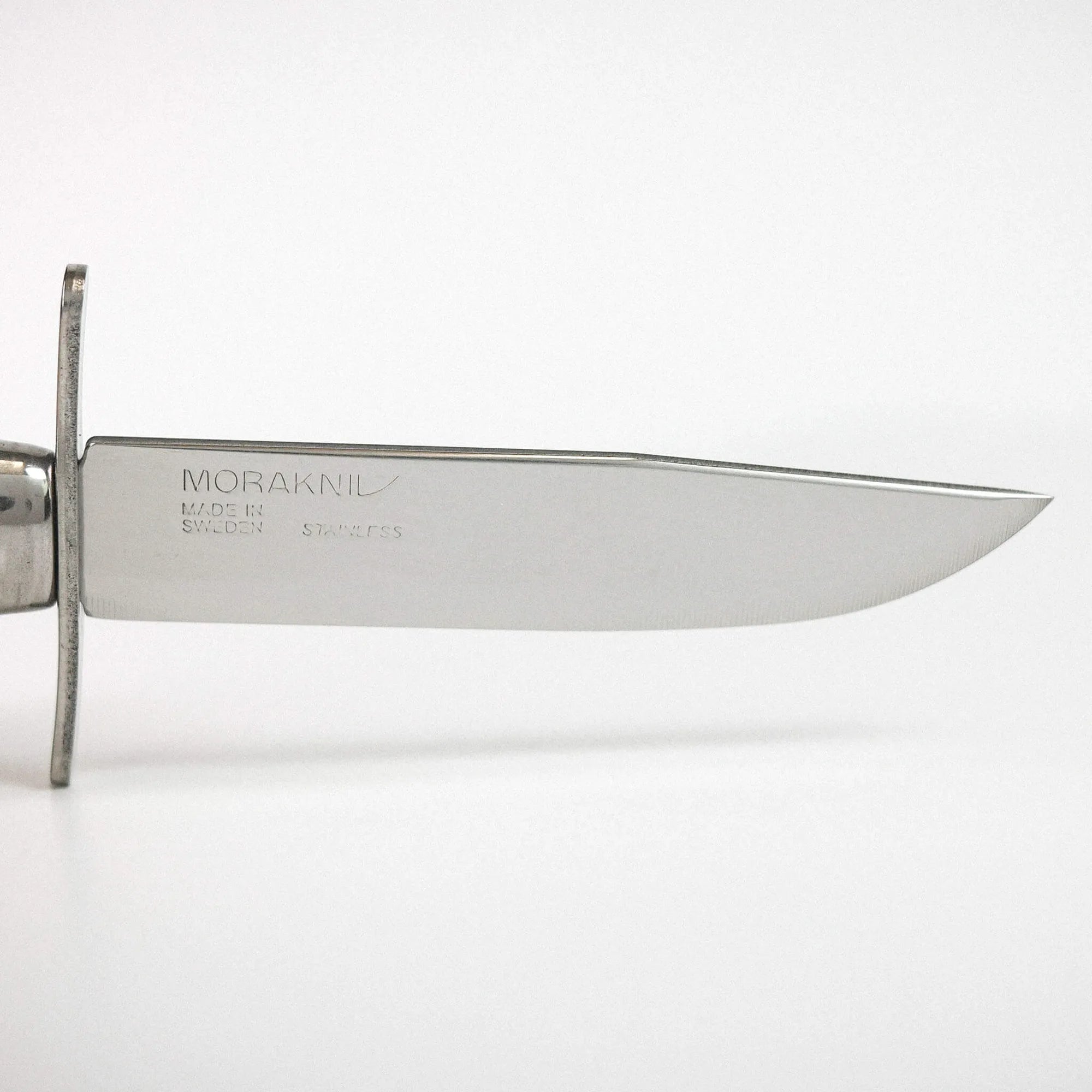
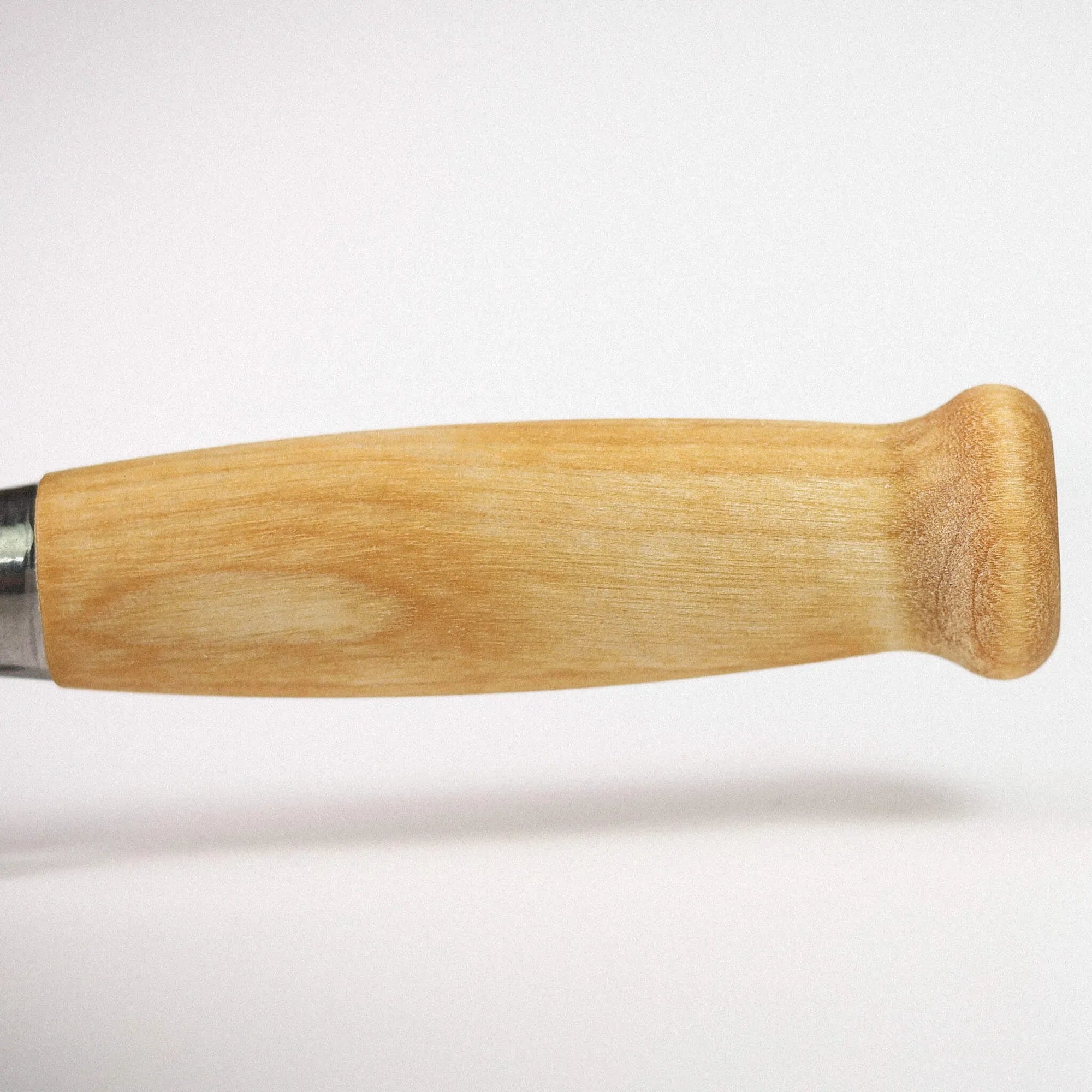
Scout 39 (S) is a scout knife for kids. It features a pointed blade in Swedish stainless steel, a double finger guard for safety, and a birch handle sized for small hands. The perfect first knife for outdoor activities and woodcarving.
Included accessories: Knife Sheath
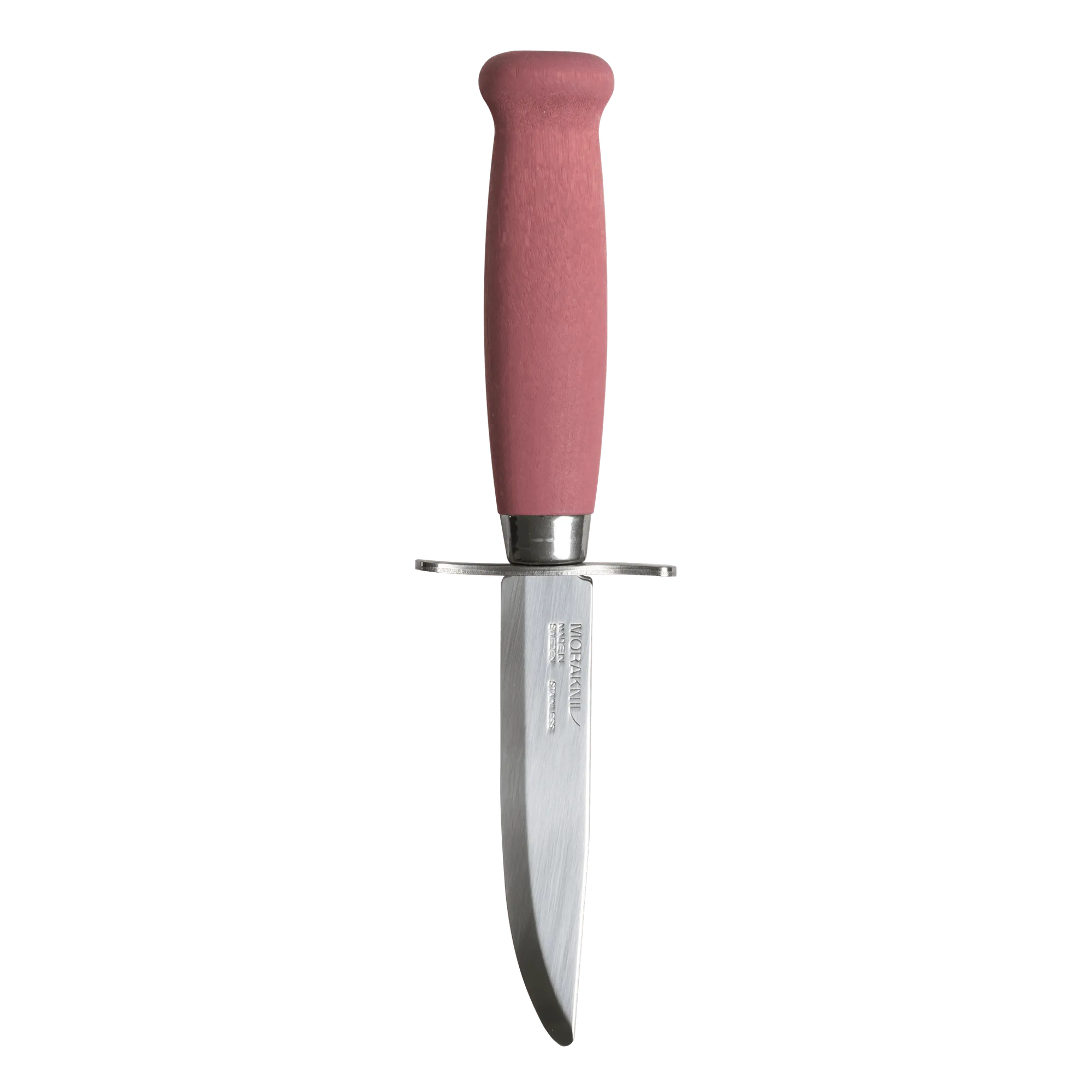


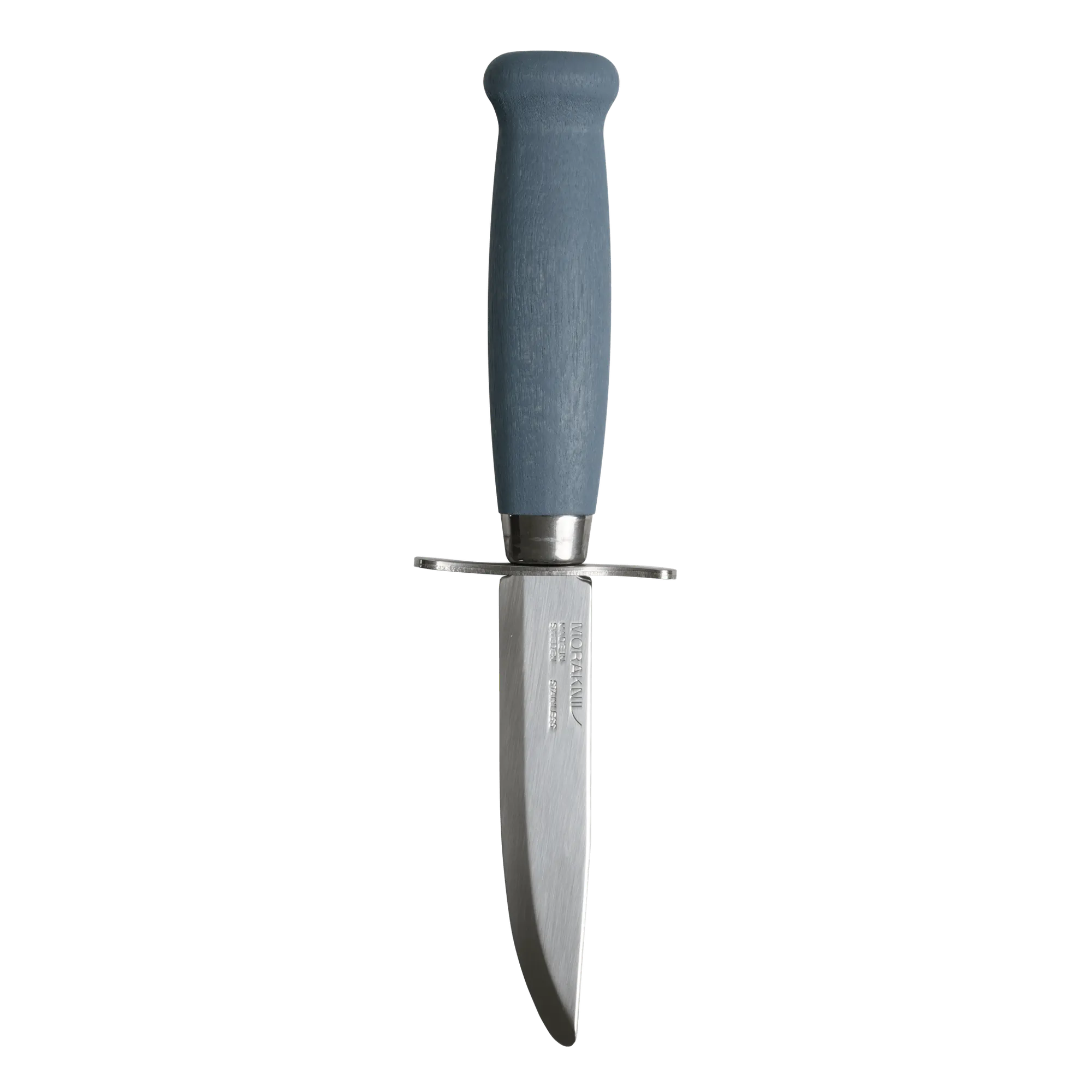


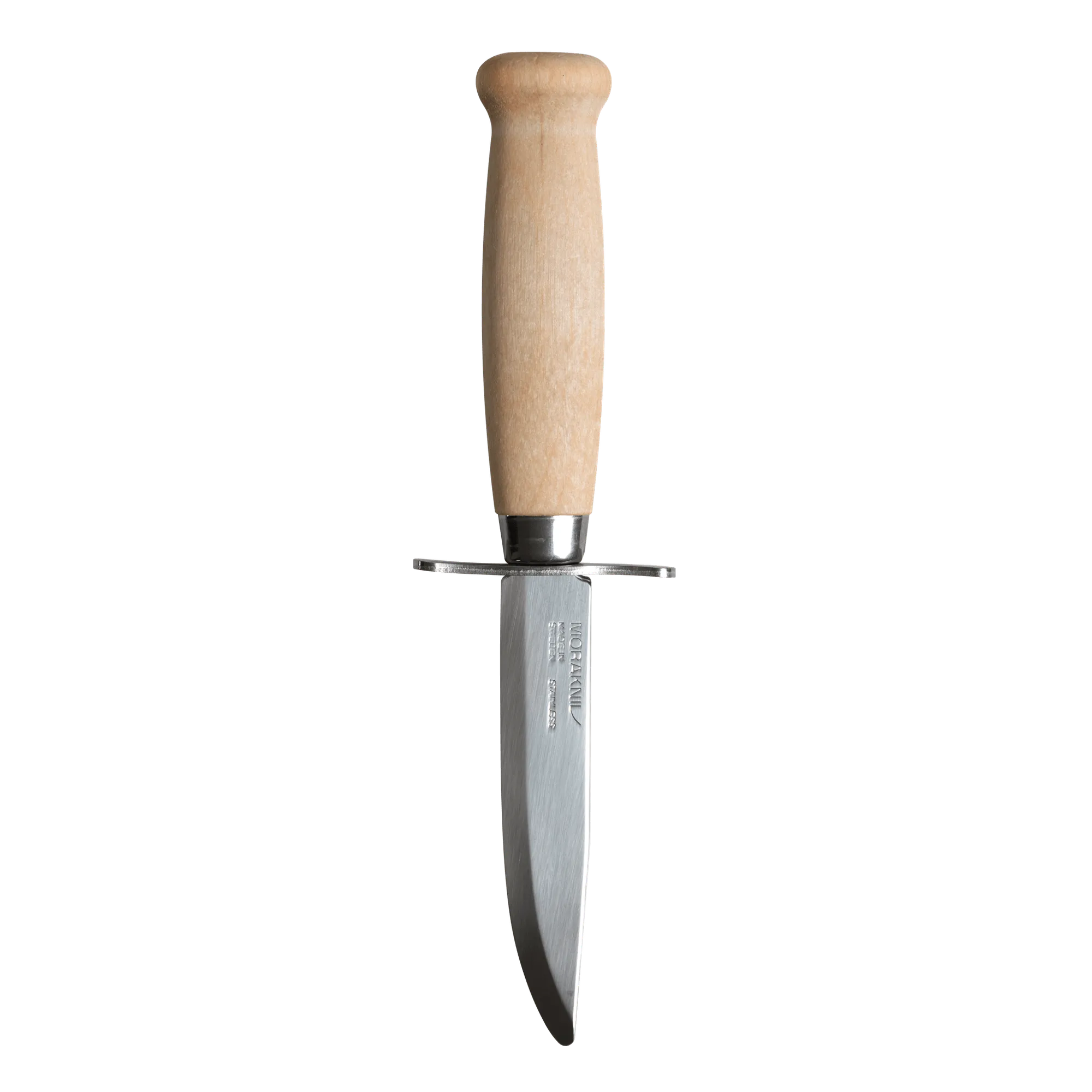


469,00 NOK
Scout 39 Safe (S) is a scout knife for kids. It features a blade in Swedish stainless steel with a rounded tip, a double finger guard for safety, and a birch handle sized for small hands. The perfect first knife for outdoor activities and woodcarving.
Included accessories: Knife Sheath


