


Time to Buy New Kitchen Knives!
Have you finally decided to invest in one or more new kitchen knives? Congratulations! With that mindset, you’re already well on your way to making a successful purchase.Buying high-quality kitchen knives is an investment that will pay off in the long run. A good knife allows you to achieve better precision, efficiency in your tasks, and most importantly, improved cooking results. Worn-out and dull knives can be frustrating to work with, while sharp and well-balanced knives make your time in the kitchen both easier and more enjoyable.
When you choose to buy a quality knife, you’re not only making cooking easier but also reducing the risk of injury. A sharp knife requires less force, which lowers the chances of it slipping and causing accidents.
Choosing the right knife and caring for it properly is, therefore, a crucial part of your kitchen safety. To get the most out of your knives, we recommend maintaining them regularly with a honing steel or a sharpening tool to keep them sharp and functional.
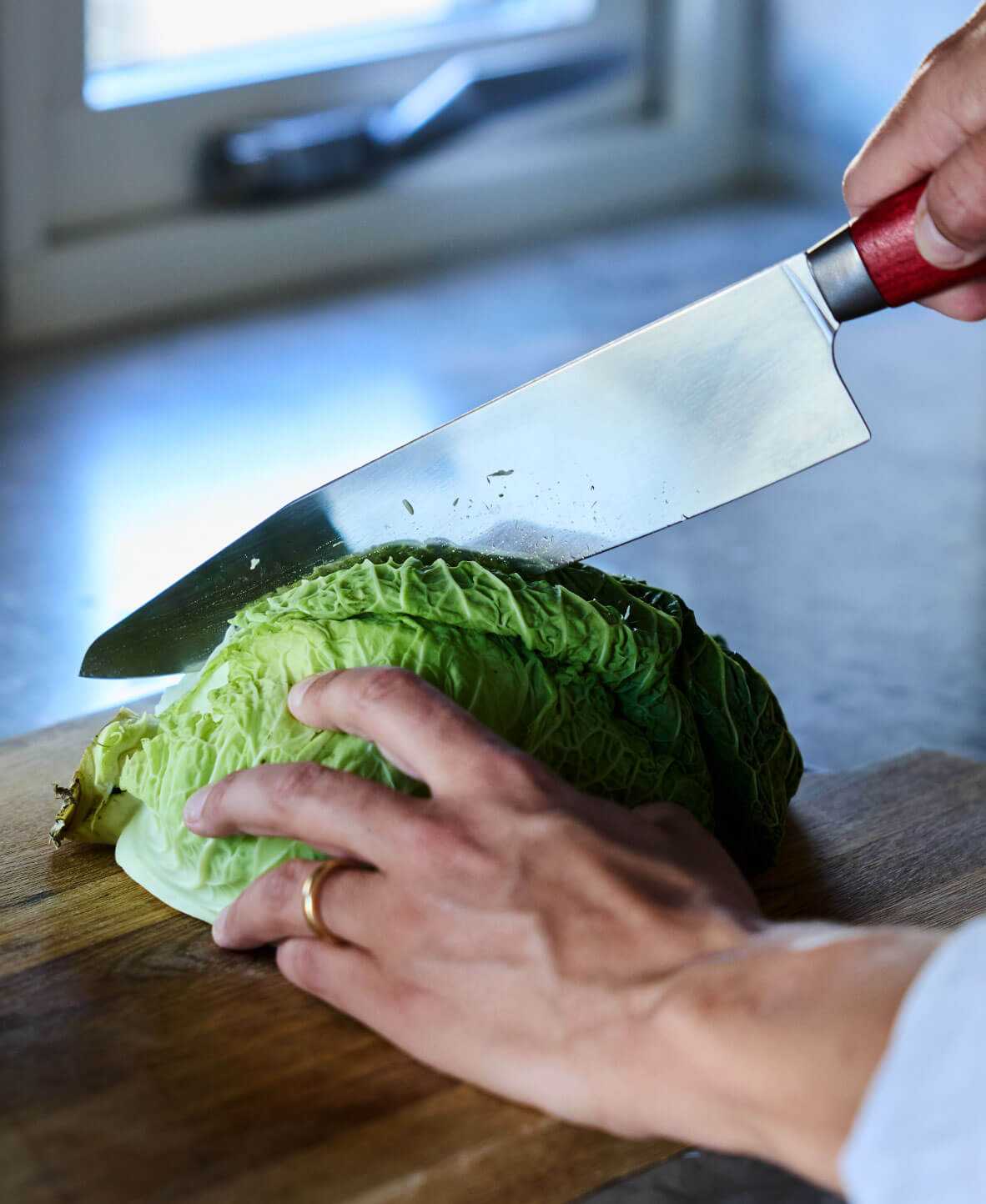
Which Knife Steel Should I Choose?
When selecting your basic kitchen knife set, it is important to consider what type of steel the blade is made from. The knife steel affects the sharpness of the edge, durability, and how easy it is to sharpen. The most common choice for kitchen knives is stainless steel, and for good reason.- Corrosion resistant. Stainless steel does not rust as quickly as other steels, making it ideal for kitchen environments with frequent moisture and food acids.
- Low maintenance. Stainless steel blades require less upkeep than other materials and are relatively easy to sharpen.
- Durability. Stainless steel stays sharp longer and is tough enough to handle everything from slicing vegetables to cutting meat.

What’s the Difference Between Japanese and Swedish Knives?
The most significant technical difference between Japanese and Swedish knives is the sharpening angles. Japanese knives are typically sharpened at an angle of 12-15 degrees, while Swedish knives have a larger angle of about 17-25 degrees.The steeper angle of Japanese knives makes them sharper and better suited for exceptionally precise cuts, often required in Japanese cuisine. This narrower angle is made possible by the harder steel used in Japanese knives, which makes them sharper and more resistant to wear. Swedish kitchen knives, on the other hand, have a broader sharpening angle and softer steel, making them slightly less sharp but easier to sharpen.
The choice between Japanese and Swedish knives depends on what you value in your cooking. If you’re looking for extreme sharpness and finesse, Japanese knives might be right for you. However, if you prefer easier maintenance and greater versatility, Swedish knives are a better fit.

Caring for Your Knives
Once you’ve invested in new kitchen knives, you naturally want them to last as long as possible. Here are some simple tips to extend the delightful feeling of freshly sharpened knives.Clean Immediately After Use
Always hand wash your kitchen knives under running warm water with a soft sponge and a drop of dish soap. Avoid placing them in the dishwasher, as they can collide with other items and suffer damage from the dishwasher detergent, which can dull the edge.Sharpen Regularly
Ideally, use a knife sharpener from Tormek designed specifically to sharpen kitchen knives to exceptional sharpness. You can also use a honing steel or a whetstone to maintain the edge, but these manual methods require more knowledge and dedication to achieve the best results. Therefore, it may be worth investing in a quality knife sharpener.Store Properly
The most effective storage options are to either place the knives in a knife block or on a magnetic strip to avoid dulling the blades.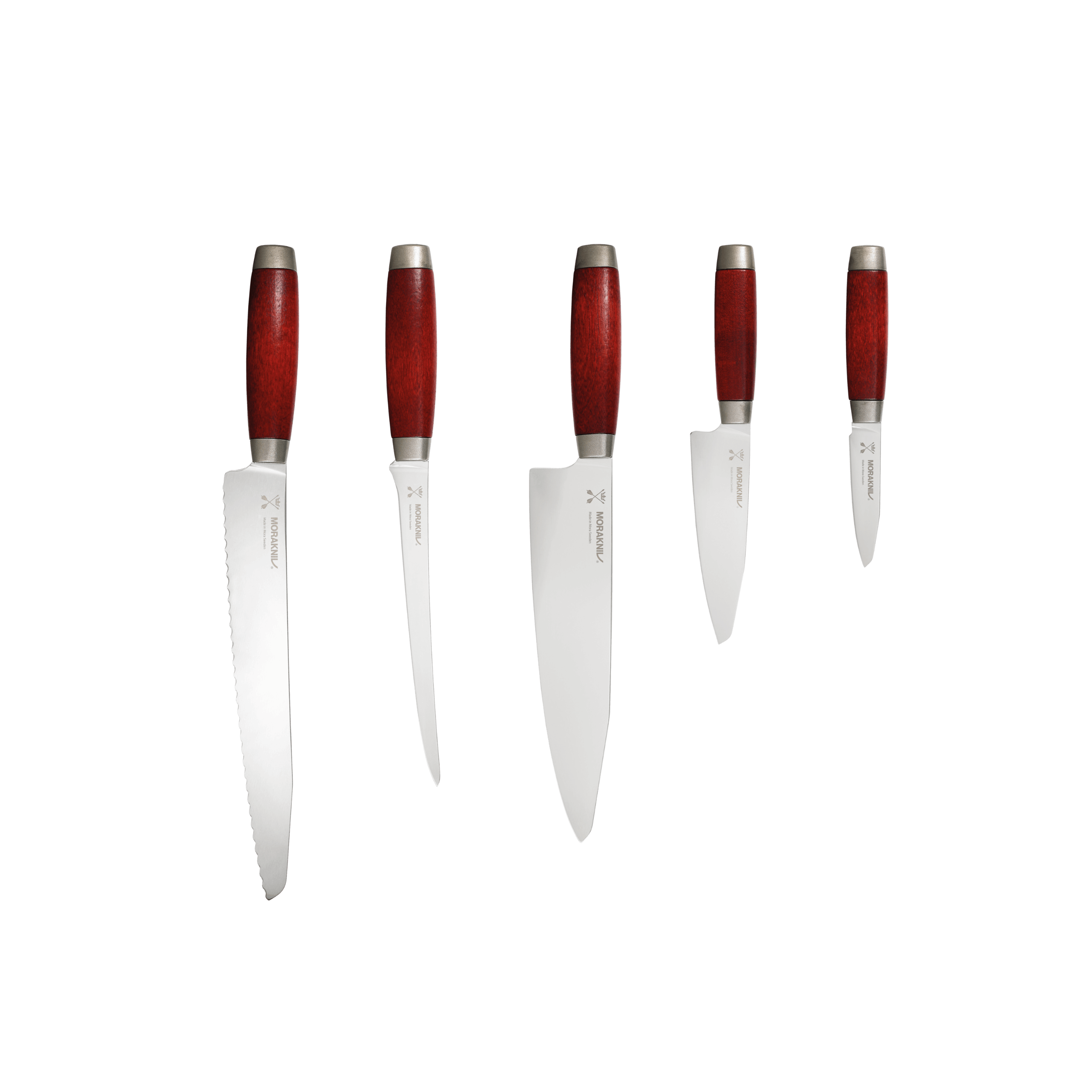

Rekommenderat innehåll
