


What is Buschcraft?
Bushcraft is the art of utilizing nature’s resources to survive and thrive in the wilderness. The term originated in Australia, referring to the skills needed to navigate and live in the Australian bush. Over time, it has gained popularity in the US and Europe as both a recreational activity and a lifestyle centered on simplicity, patience, and the ability to adapt to nature’s conditions.The goal of bushcraft is to master essential survival skills and develop a deeper understanding of the wilderness, enabling you to face nature’s challenges with confidence. Whether you’re a beginner exploring the outdoors or a outdoor enthusiast , bushcraft is an excellent way to learn self-reliance in nature.

Why Should You Learn Bushcraft?
Bushcraft not only teaches survival skills but also deepens your connection to nature and builds resilience in handling challenges. It provides the tools to create a safe and functional environment regardless of circumstances, fostering a sense of independence and confidence few other activities offer.Bushcraft also strengthens your connection with nature. Understanding and respecting ecosystems makes you a more conscious user of nature’s resources. For example, knowing how to gather wood without damaging forests or identifying edible plants responsibly helps you live more sustainably.
Additionally, bushcraft benefits both physical and mental well-being. Spending time outdoors, breathing fresh air, and working with your hands are proven ways to reduce stress. It offers a valuable escape from the fast-paced modern world, helping you slow down, find balance, and enjoy a true sense of fulfillment.
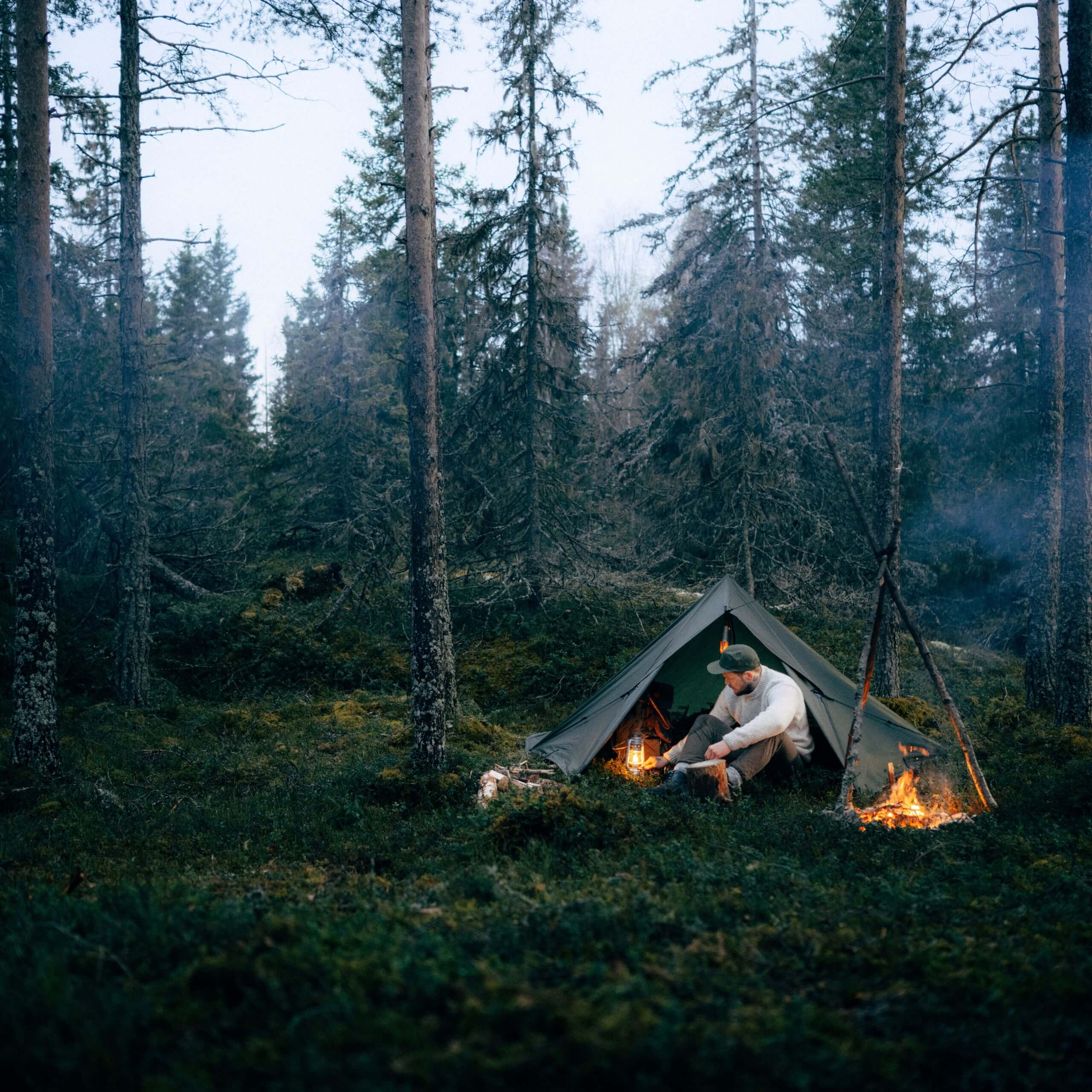
Life-saving Knowledge
Most importantly, bushcraft knowledge can be life-saving in emergencies. Whether it’s an unexpected camping mishap, a natural disaster, or simply forgetting matches at home, bushcraft equips you with the skills and confidence to handle the situation safely and efficiently.Moreover, bushcraft enhances problem-solving and creativity. Every situation in the wilderness presents unique challenges—whether it’s finding the right materials for shelter, starting a fire in the rain, or locating a reliable water source. Practicing these skills strengthens mental endurance and adaptability, which are valuable in many aspects of life.

A wilderness knife based on the One-Knife approach
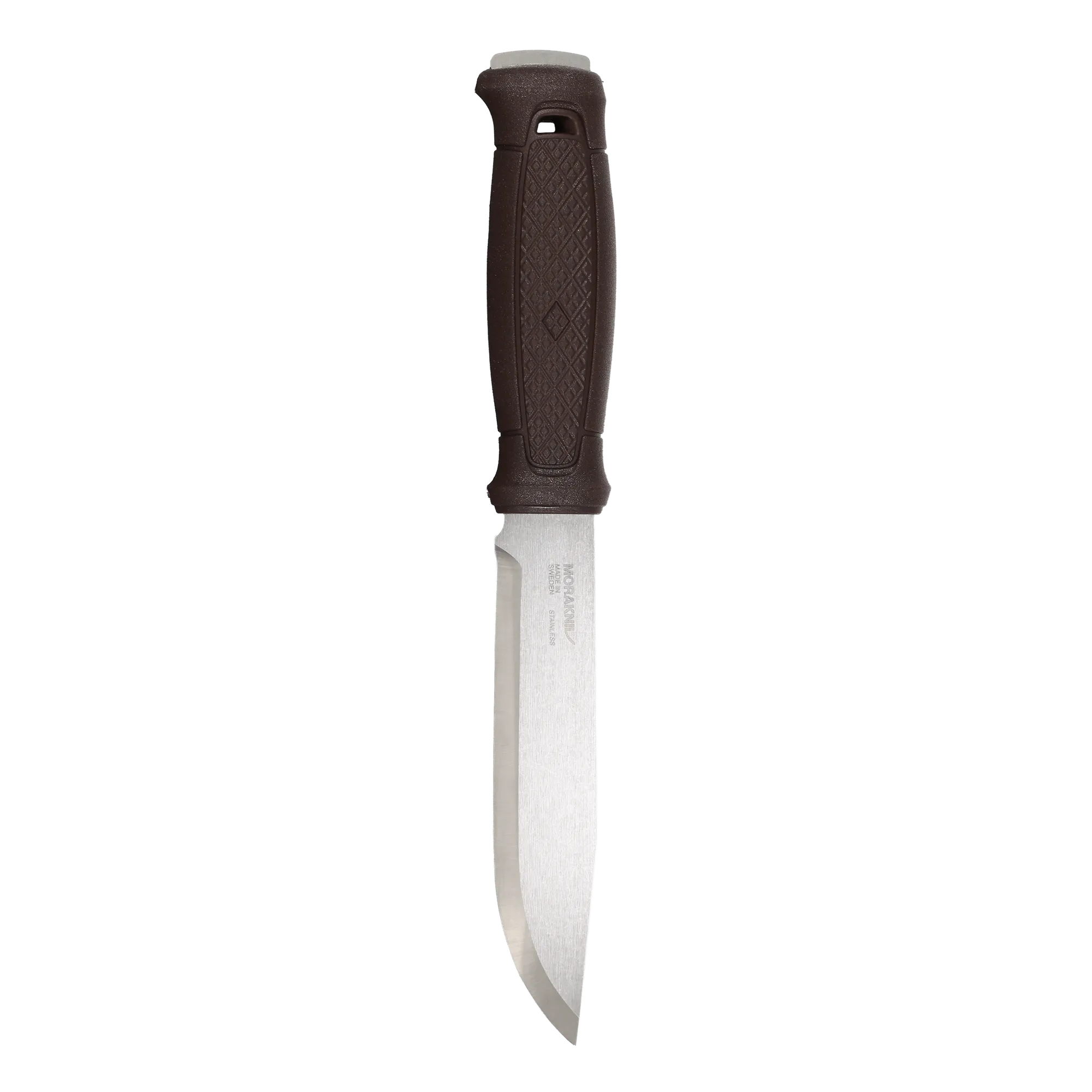
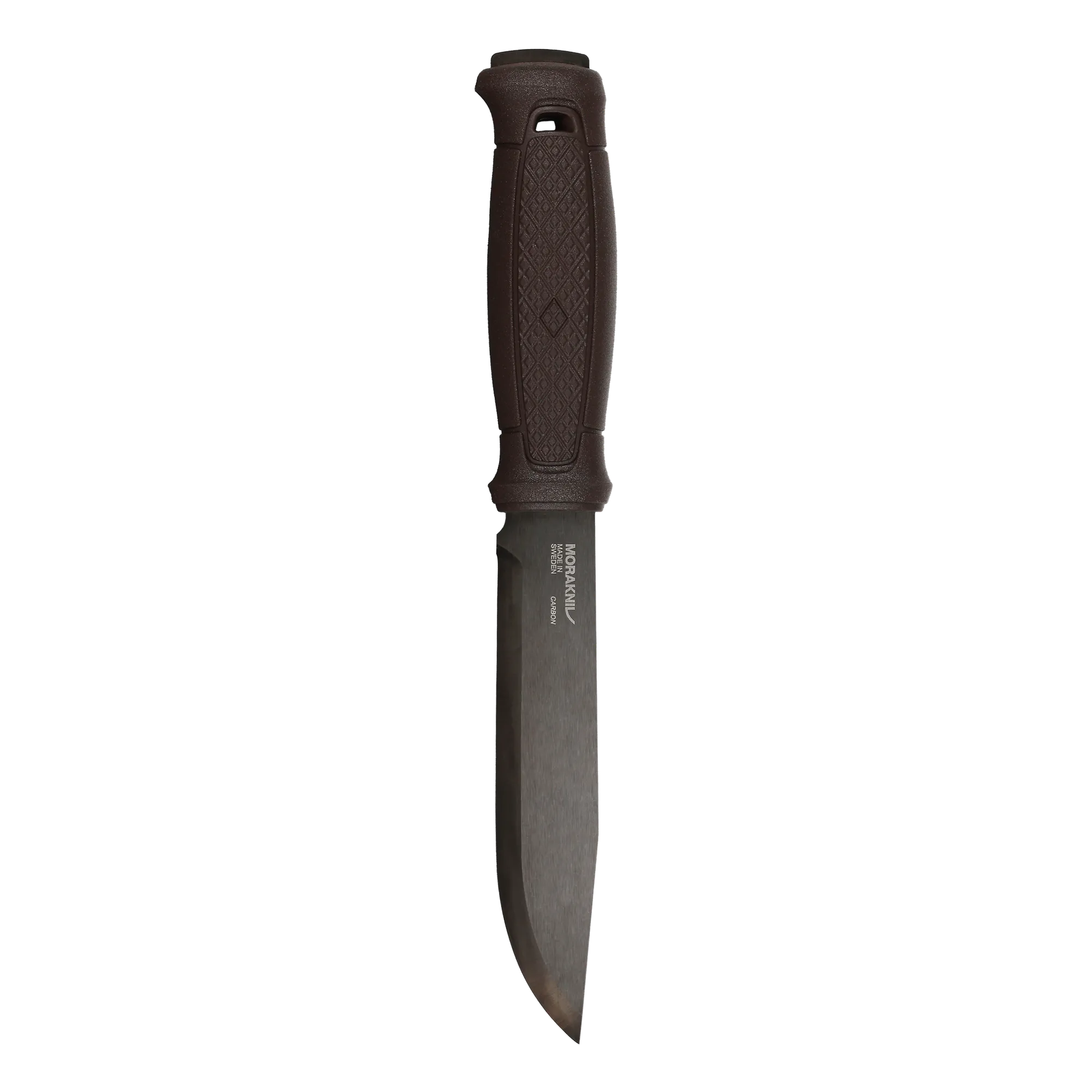
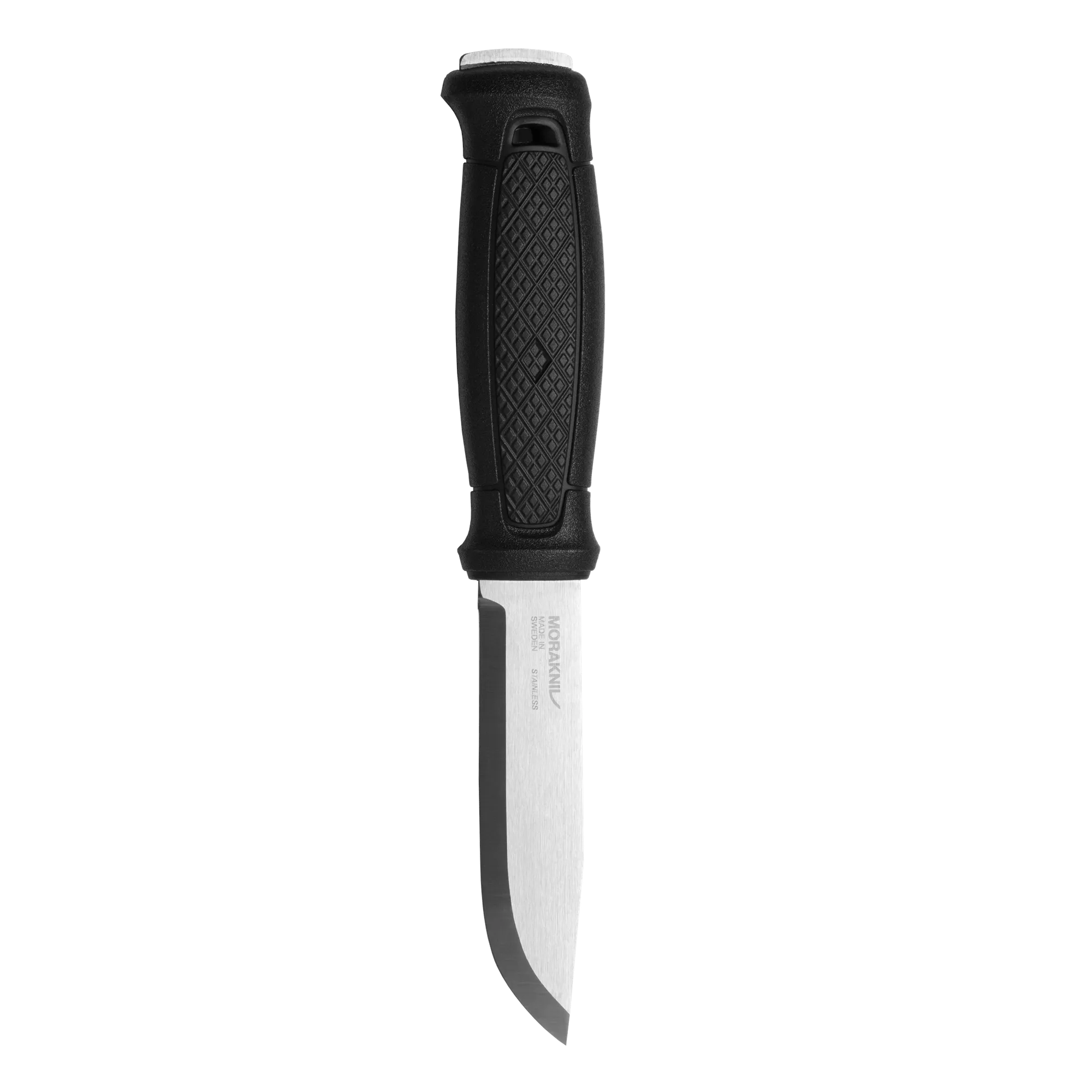
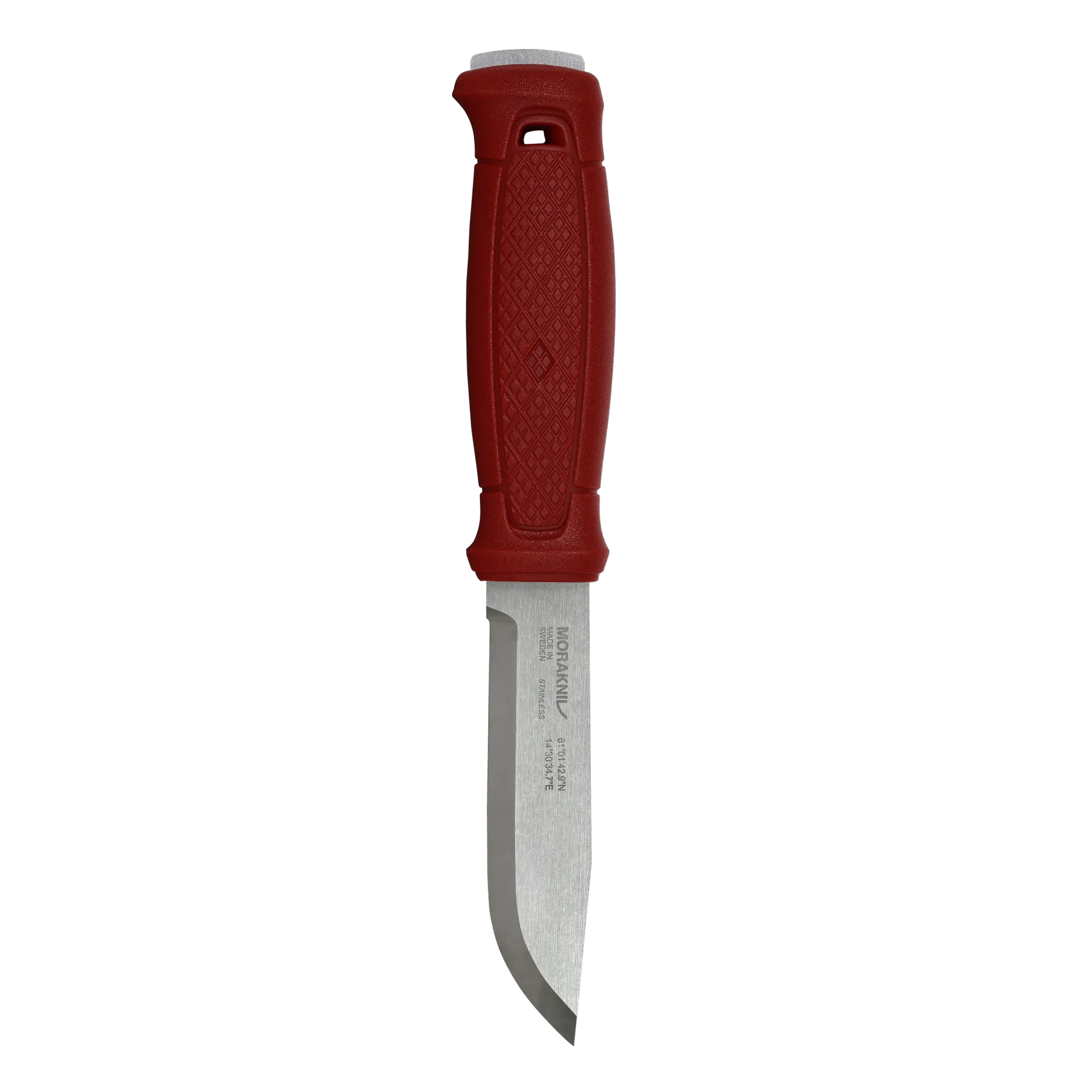
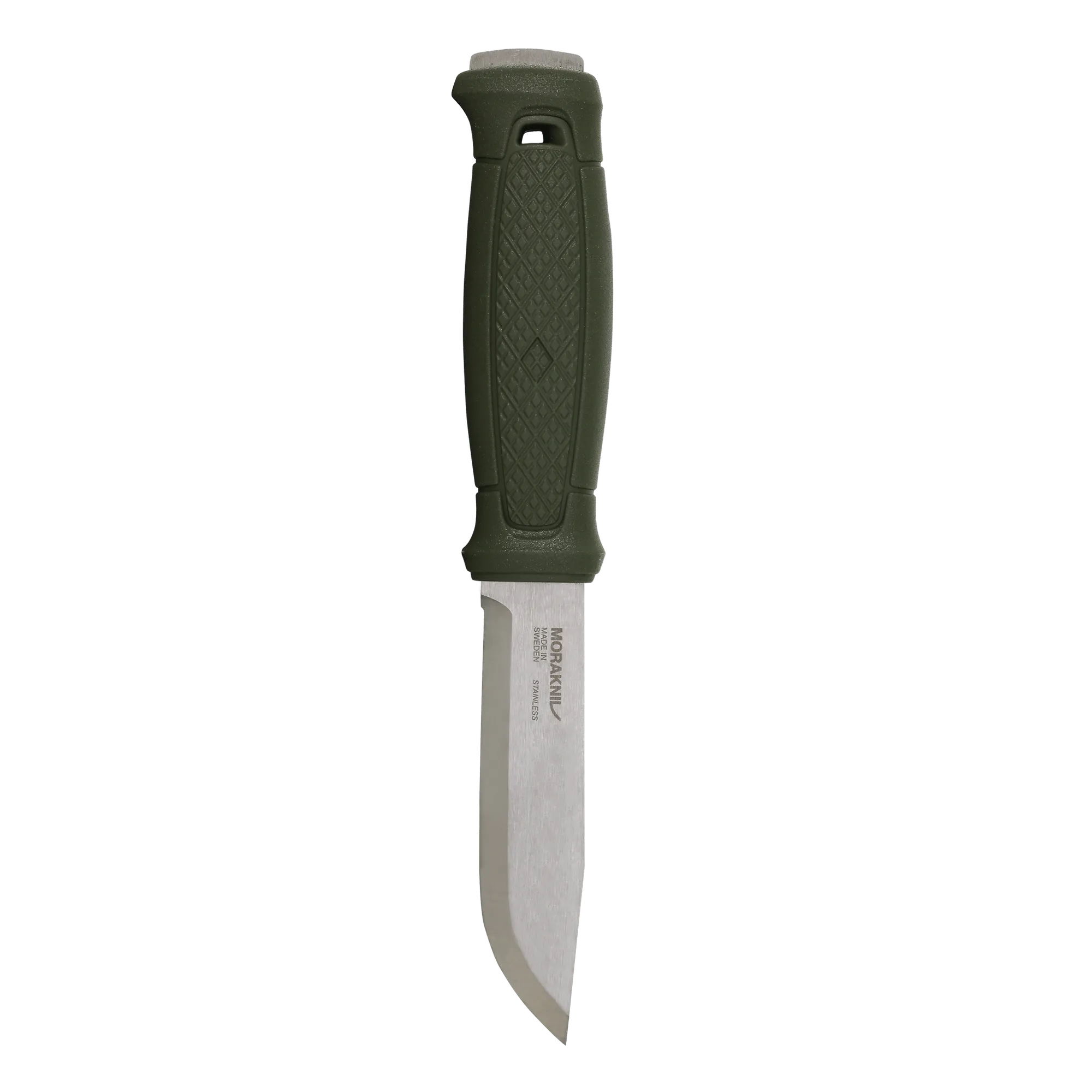
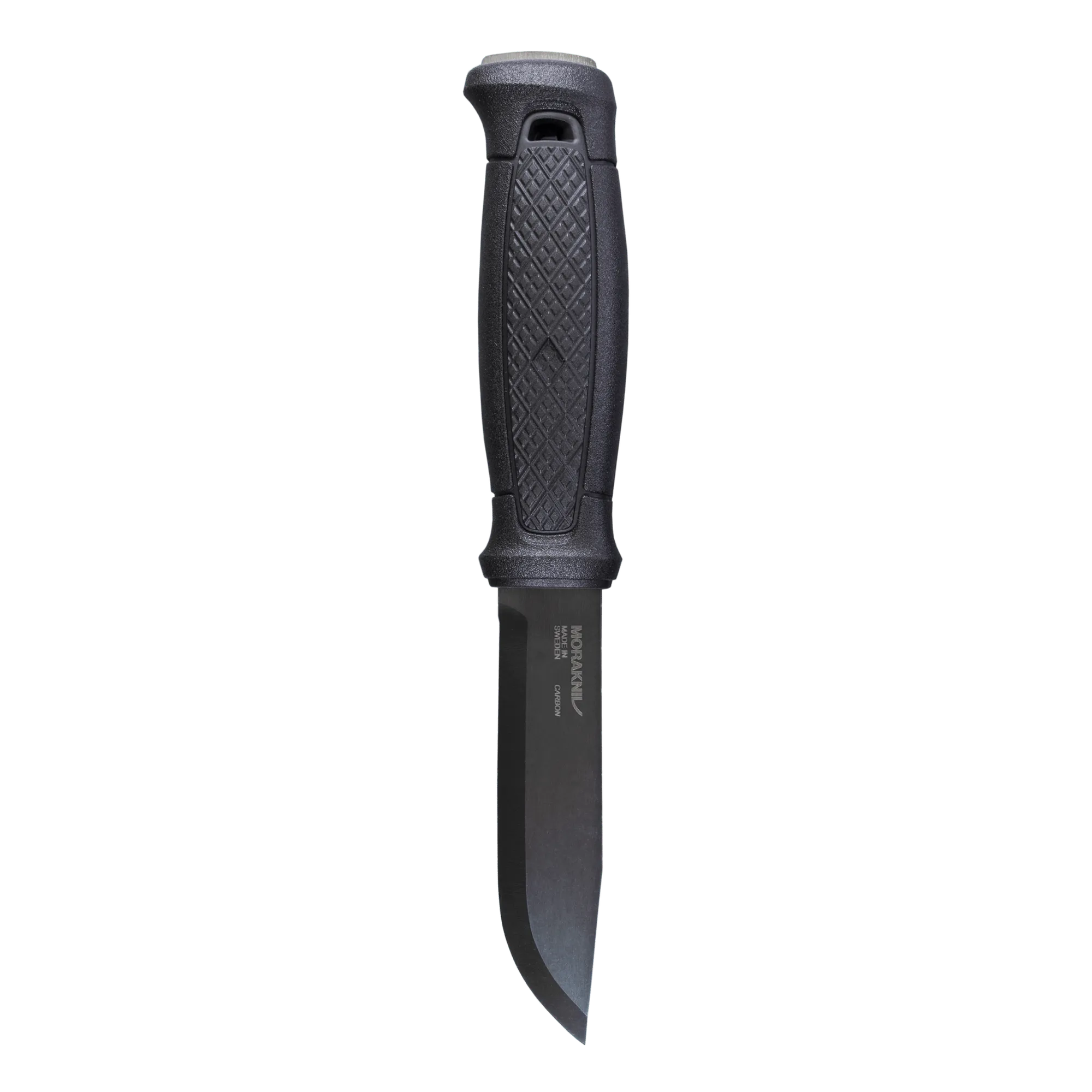
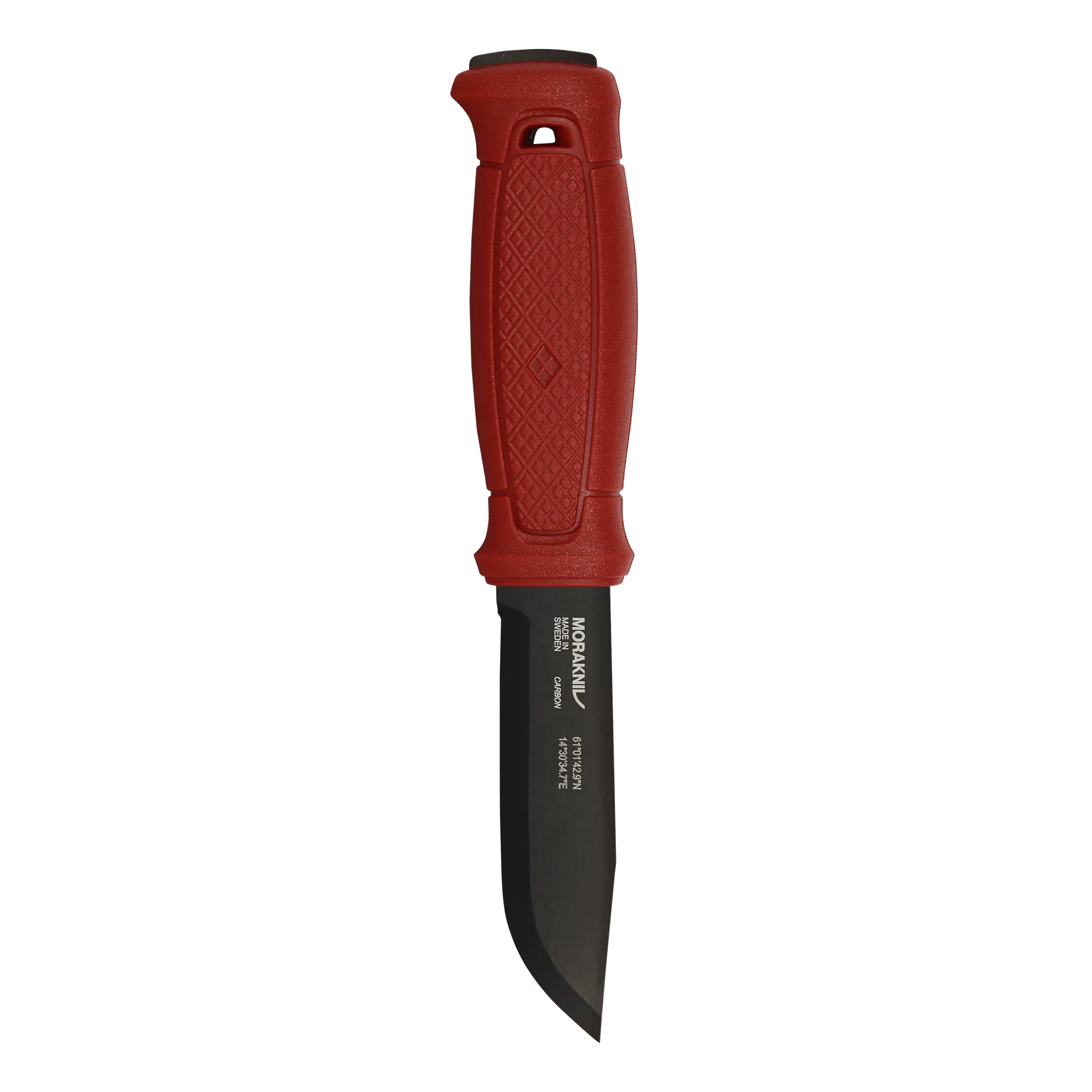
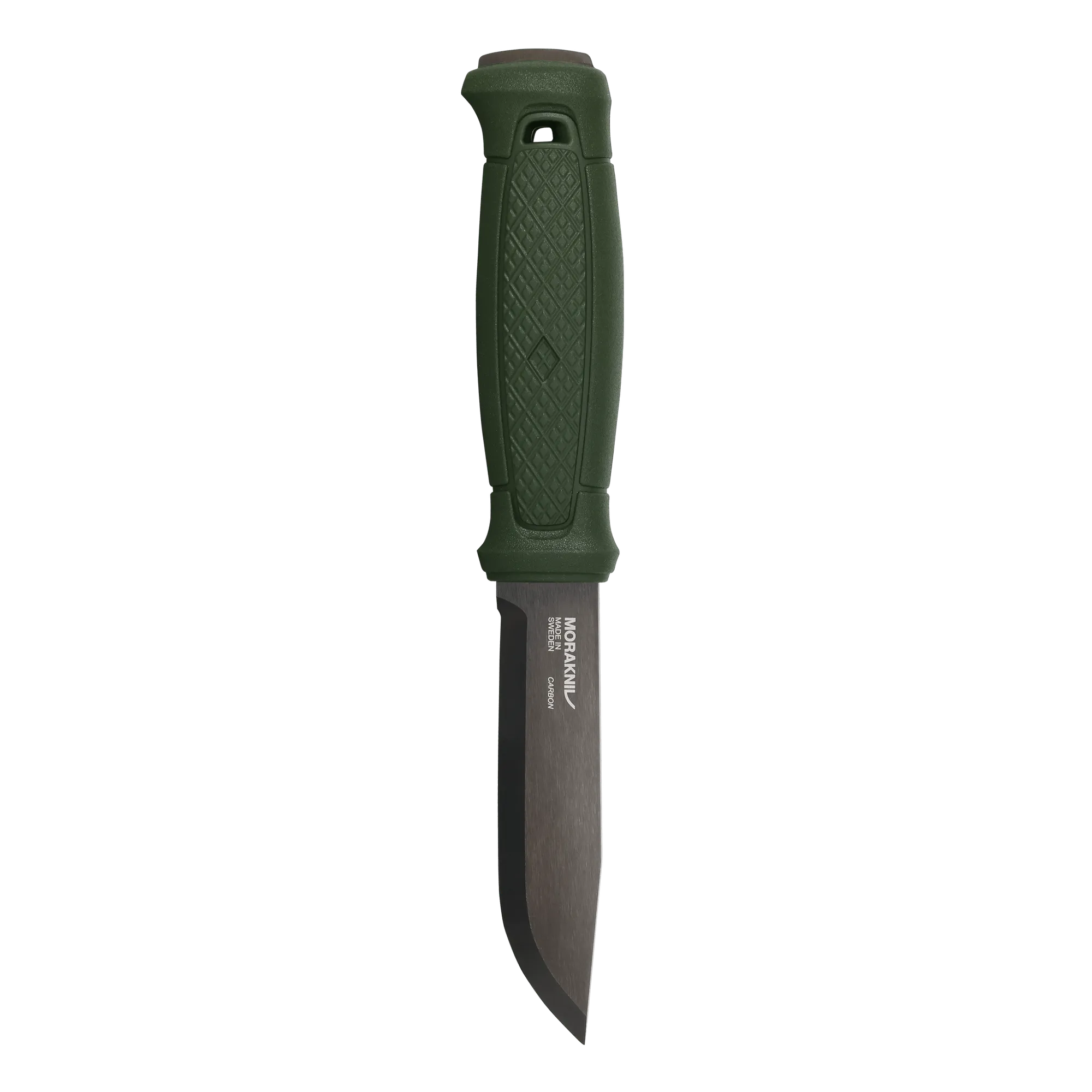
The One-Knife philosophy suggests you only need one knife for bushcraft. According to us, the Morakniv Garberg is the one and only knife you need. It is a full tang, heavy duty survival knife made from high quality stainless or carbon steel, designed for tough tasks like carving, cutting, and batoning wood. Its durable construction makes it a trusted companion among your bushcraft tools.Morakniv Garberg Features
- Full tang construction - Provides strength and durability for tough tasks.
- High quality steel options - Available in stainless steel or carbon steel for different preferences.
- Ergonomic and durable handle - Ensures a comfortable and secure grip.
- Scandi grind edge - Offers excellent control and easy sharpening.
- Versatile mounting - Compatible with multiple sheath and carrying options.
Essential Bushcraft Skills
Bushcraft goes beyond just surviving in the woods - it is about self sufficiency and creating a safe, comfortable environment using what nature provides. The core skills of bushcraft revolve around four key elements: fire, shelter, water, and food.Water Purification
Finding and purifying water is a key survival skill. With the right techniques, you can turn natural water sources into safe drinking water. Learning to identify clean water sources and purify them through boiling or filtration ensures proper hydration and survival in the wild.Living Off the Land
Recognizing edible plants, fishing, and hunting are important bushcraft skills. If you know how to find and gather food, you will be far more self sufficient in any outdoor scenario.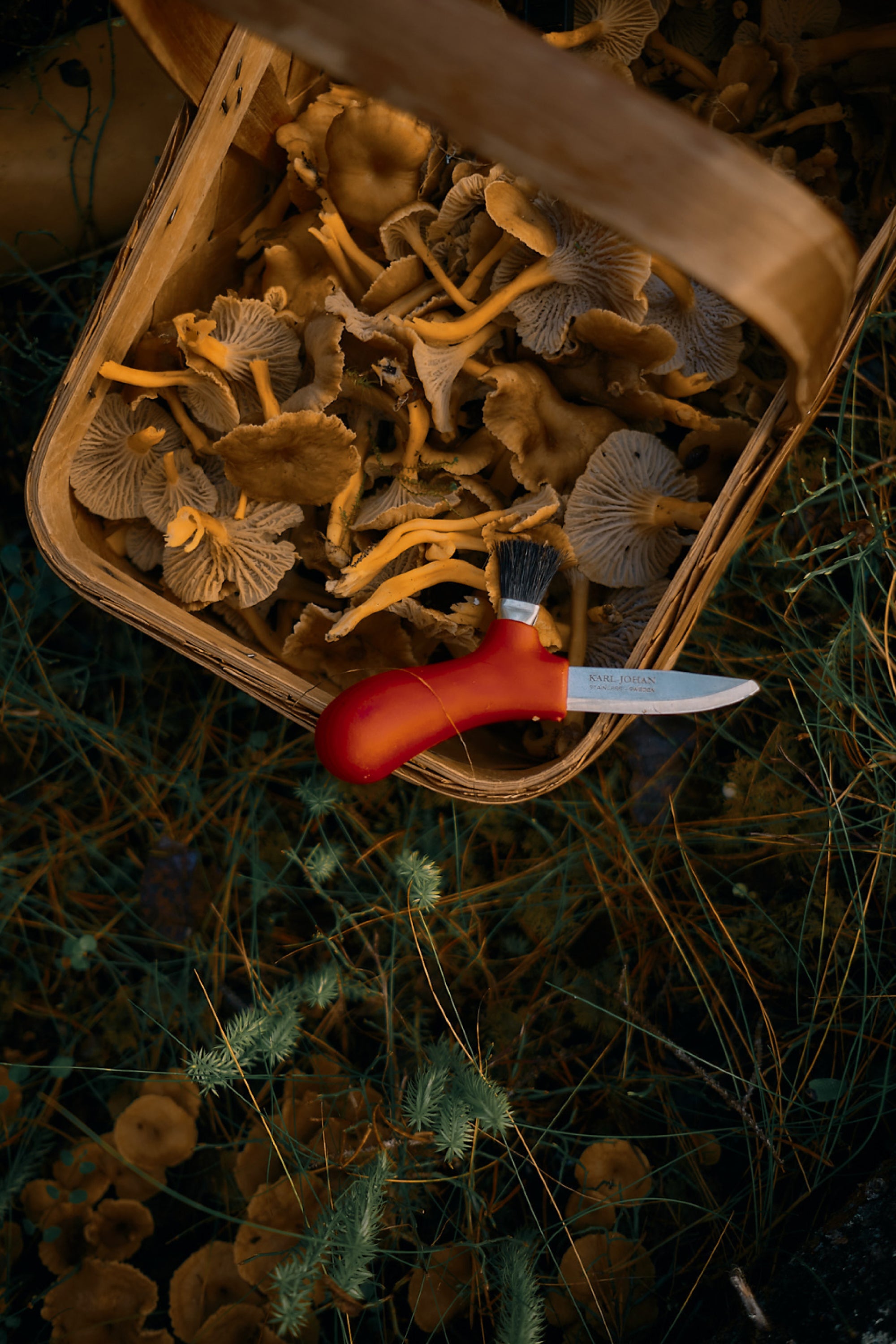
Fire starting
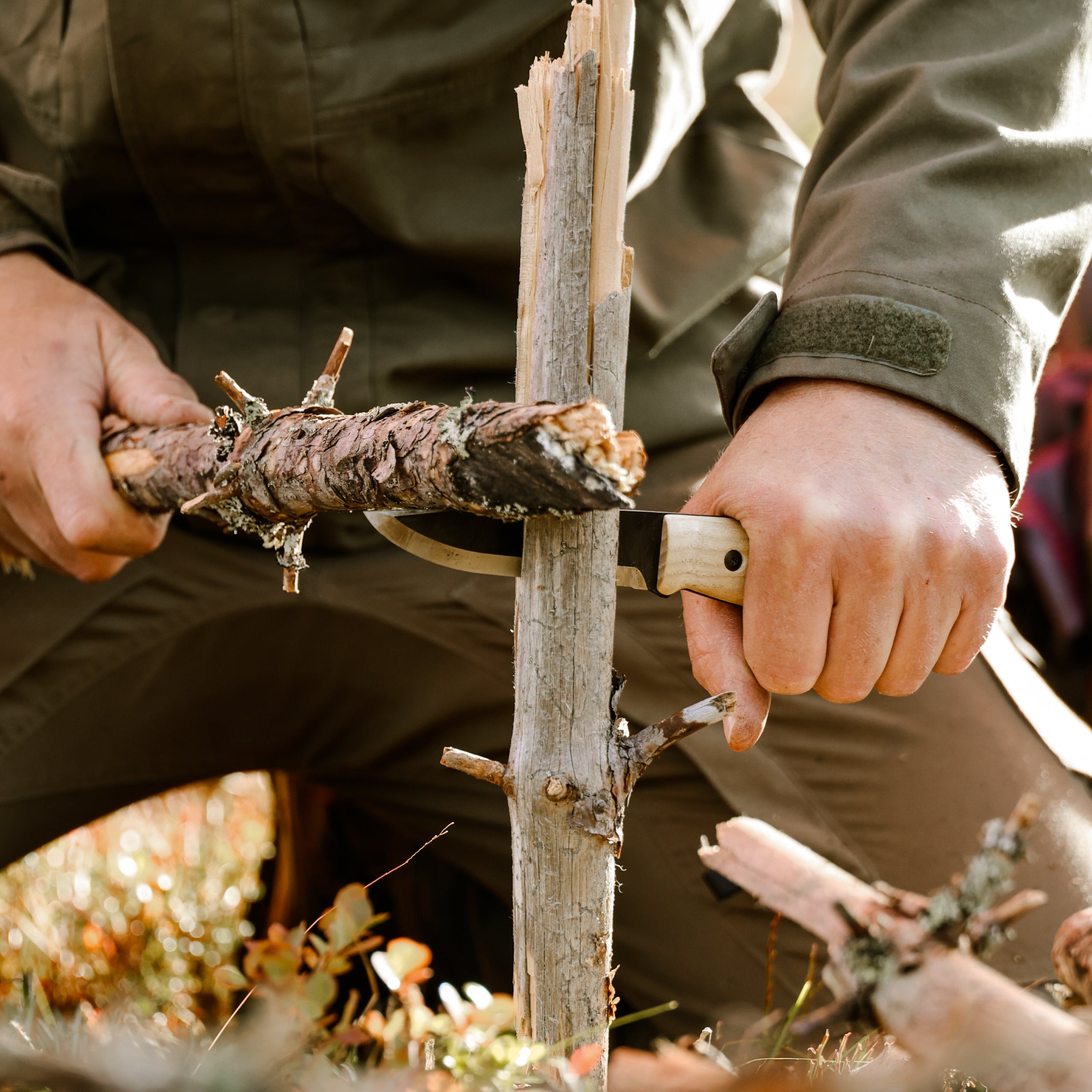
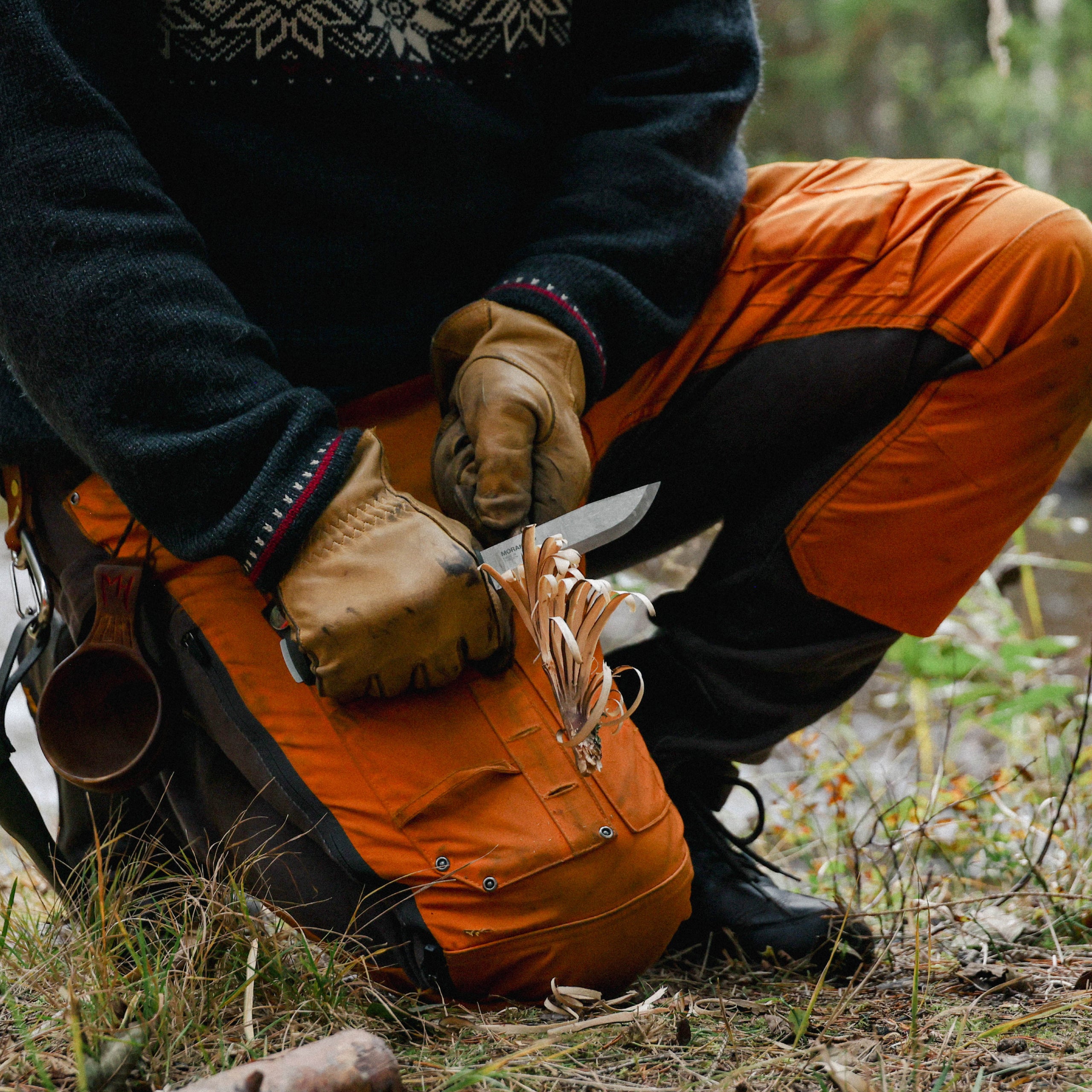
Starting a fire is one of the most crucial bushcraft skills, as fire provides warmth, protection, light, and the ability to cook food. Knowing how to make a fire without matches or a lighter is invaluable, especially in cold or damp conditions. A ferro rod is a reliable tool that works in all weather conditions, and a multifunctional knife helps you create fine kindling to ignite the fire.Shelter building
Being able to build a shelter is fundamental for staying warm, dry, and protected from wind and rain. Whether you rely on natural materials or bring additional gear, a well built and sturdy shelter is essential for safety in the wilderness.
Beginner-Friendly Bushcraft Tips
Have you always dreamed of becoming the local Bear Grylls? We have put together a getting-started list for the art of bushcraft.Learn how to Start a Fire
Fire is one of the most important skills in bushcraft. It keeps you warm, cooks food, and purifies water.
- Start by learning how to use a ferro rod and strike a spark.
- Practice fire starting at home in a fire safe environment.
- Once you get the hang of the ferro rod, learn how to build a fire that lasts.
Learn How to Use a Knife Safely
Apart from yourself, a good wilderness knife is your most reliable partner in the wild if you know how to use it properly.
- Start with simple tasks like making tent pegs or feather sticks.
- Learn proper grip and technique. Keep your fingers away from the cutting edge and always carve away from your body.
- Keep your knife sharp. A sharp knife is safer and more effective than a dull one.
Build a Simple Shelter
A good shelter protects you from the elements and keeps you warm.
- Start with a tarp. It is easy to set up and lightweight to carry.
- Try building a lean to shelter using natural materials like branches and leaves for insulation.
- Pick the right location. Avoid low lying areas where water collects and windy spots.

