Get started with knife care
You’ve probably tried to sharpen your knife using some tool at some point. It might have been a simple honing rod, a sharpening steel, or even the back of a plate. While you may have temporarily achieved a better edge, you soon realized that you really need to learn the art of proper sharpening. The fact is, many conventional methods don’t truly sharpen the knife; at best, they realign a dull edge. Sometimes, you need to fundamentally sharpen your knife with the right tools to achieve successful results that also enhance your cooking experience.
Knife Care Tips
- Before first use. Wash the knife with warm water and a soft sponge before first use.
- Avoid hard materials. Do not cut through bones, frozen items, porcelain, glass, or other hard materials since the thinnest part of the edge can easily become deformed.
- No dishwasher. Do not put the knife in the dishwasher. Dishwasher detergents contain abrasives that dull the knife and damage wooden surfaces.
- Limit acidic contact. Avoid letting acidic substances like fruit acids from lemons, limes, oranges, grapefruits, or tomatoes come into contact with the blade for extended periods.
- Store dry. Ensure the knife is clean and completely dry before storing it.
- Protect the edge. When you have chopped or sliced something on a cutting board, do not scrape it off with the knife edge. Instead, turn the knife and scrape with the spine.
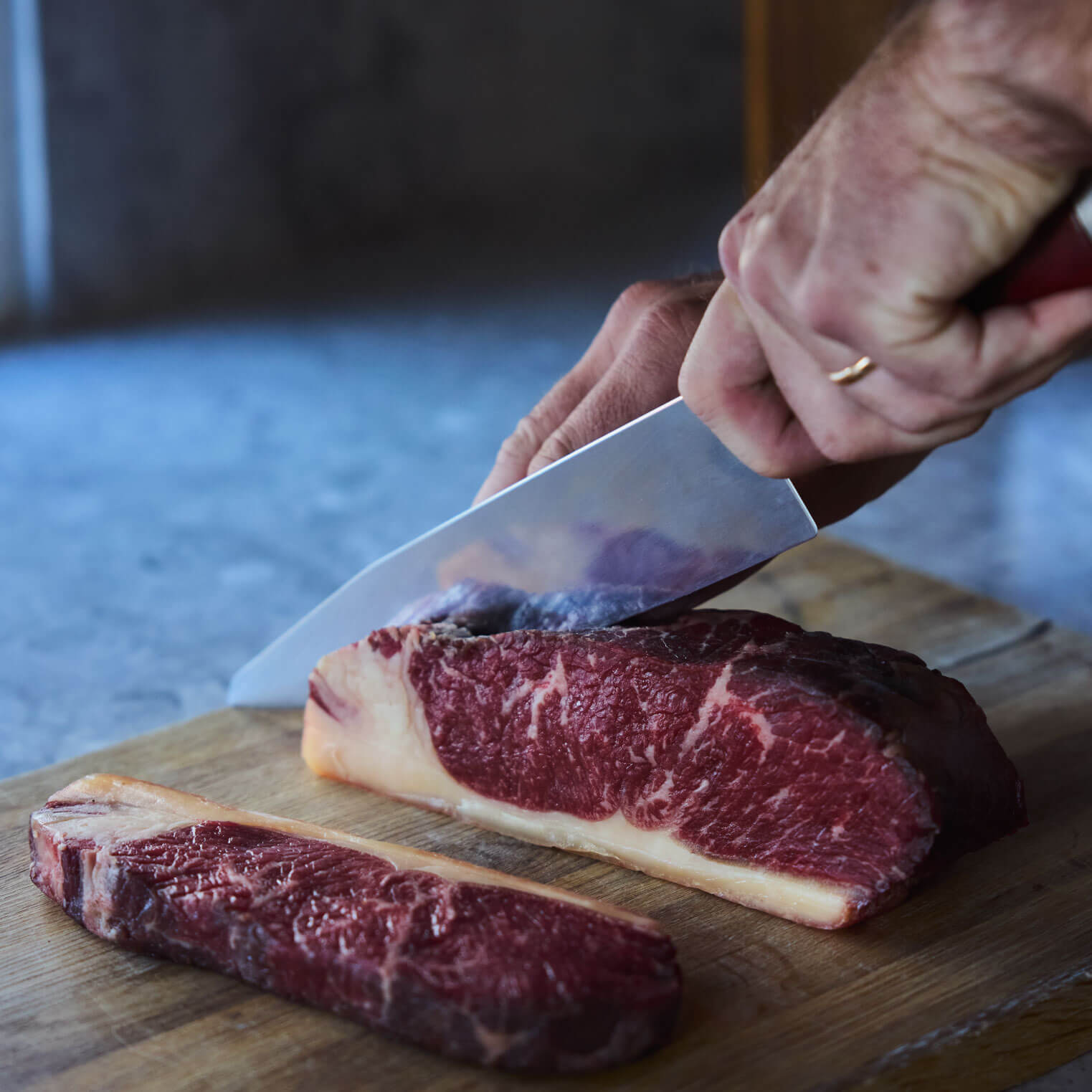
Knives from Morakniv – Sharpness and Quality Right Out of the Box
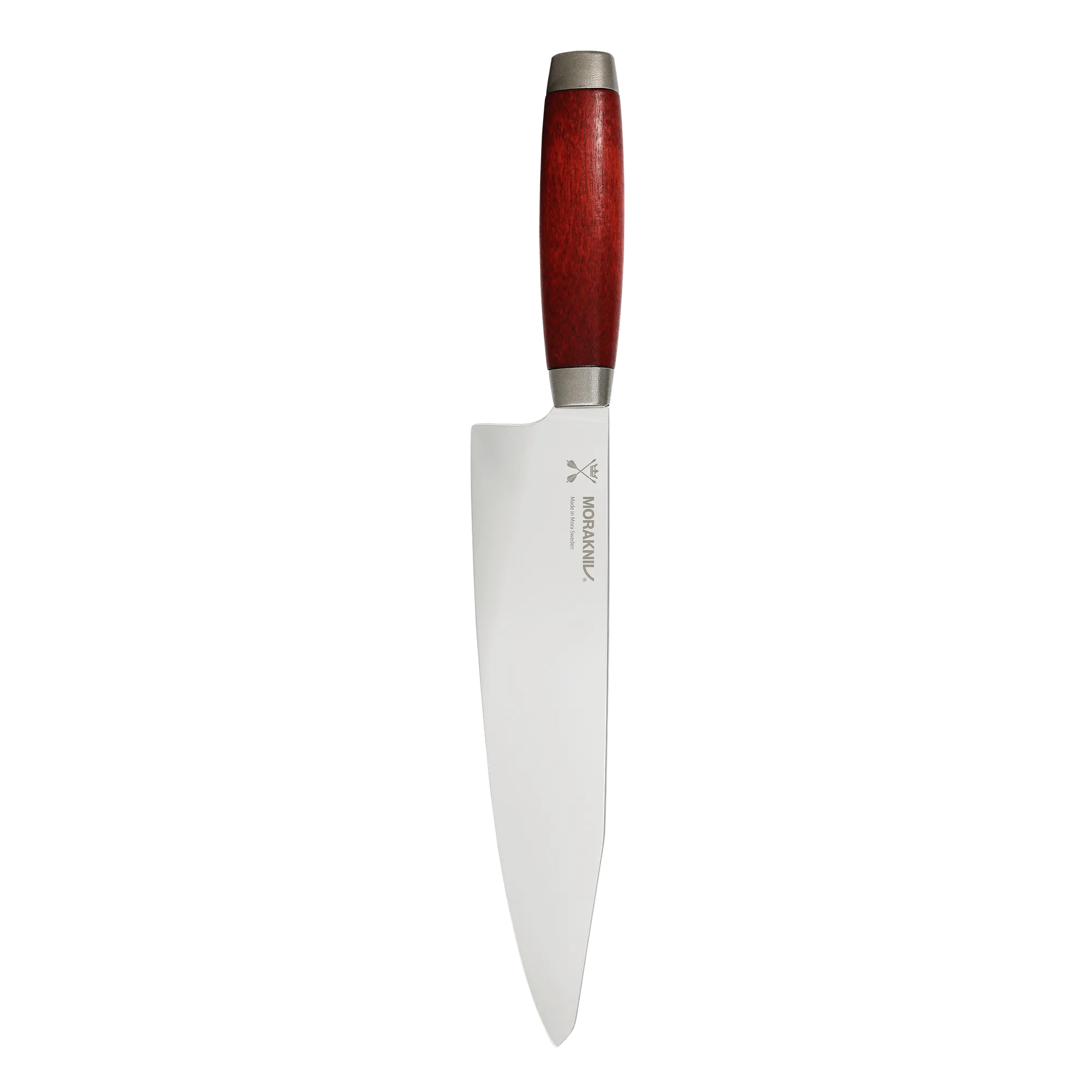
Morakniv kitchen knives are designed to perform for the long haul and come sharp out of the box, giving you everything you need to succeed in the kitchen. The Classic 1891 collection kitchen knives features exceptionally high-quality steel with robust chemical compositions that make it corrosion-resistant and easier to sharpen. After all, wouldn’t it be a shame to miss out on every opportunity to experience razor-sharp knives again and again?A Sharp Knife Requires Care and Maintenance
While the meticulous manufacturing process at Morakniv ensures high quality and longevity, all knives need regular maintenance and care. That’s why knife care is essential. With the right upkeep, you can use your knives for many years to come, making your knife purchase both economical and sustainable.Why You Should Never Wash Knives in the Dishwasher
Knives should not be machine-washed. Knives made of carbon steel and laminated carbon steel should absolutely not be cleaned there, as the aggressive dishwasher detergent can severely damage the blade. Stainless steel knives shouldn’t go in the dishwasher either. Once again, the detergent is the culprit, negatively affecting the blade. Additionally, sharp knives can damage the dishwasher’s interior, not to mention the personal injury risk when handling sharp knives.
Restoring the Knife Edge with a Sharpening Steel
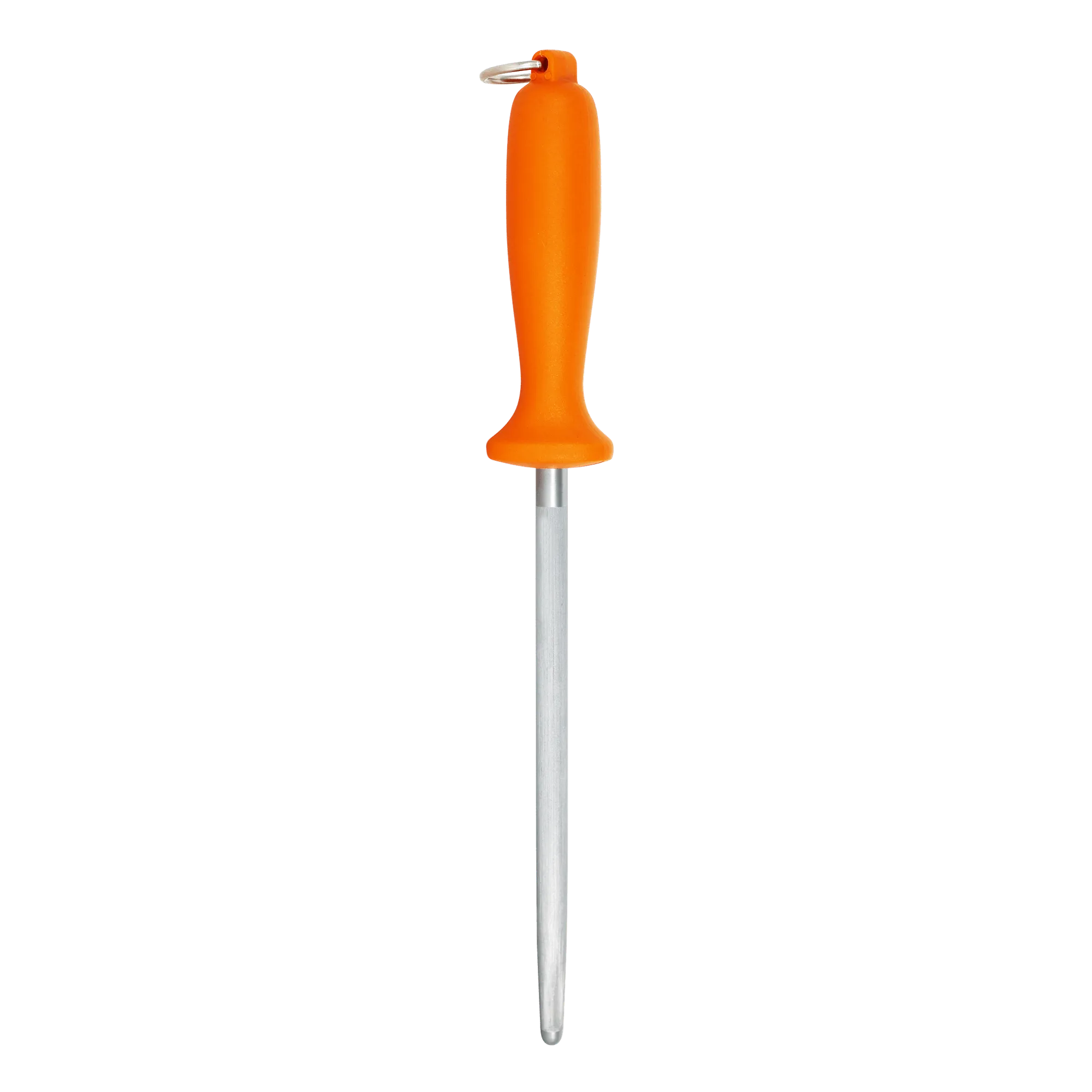
An effective first step to improving the blade of your knife is to use a sharpening steel to realign the edge. When a knife loses its sharpness, it is often not because the blade has become dull, but because the edge has bent to one side. Using a sharpening steel restores the edge to its original central position, making the knife feel sharp again without needing full sharpening.This process extends the life of the knife and reduces the need for more extensive sharpening, which can wear down the blade over time. However, the quality of the sharpening steel is crucial. If the steel is not good enough, it will not effectively realign the edge. A high quality sharpening steel helps restore sharpness efficiently and keeps the edge in optimal condition.
Follow These Steps
- Set the angle. Position the knife edge against the sharpening steel at an 18 degree angle.
- Draw the knife. Gently draw the blade along the steel from heel to tip a few times while maintaining the same angle.
- Alternate sides. Switch between both sides of the knife, finishing with a very light stroke on each side as if gently caressing the edge.
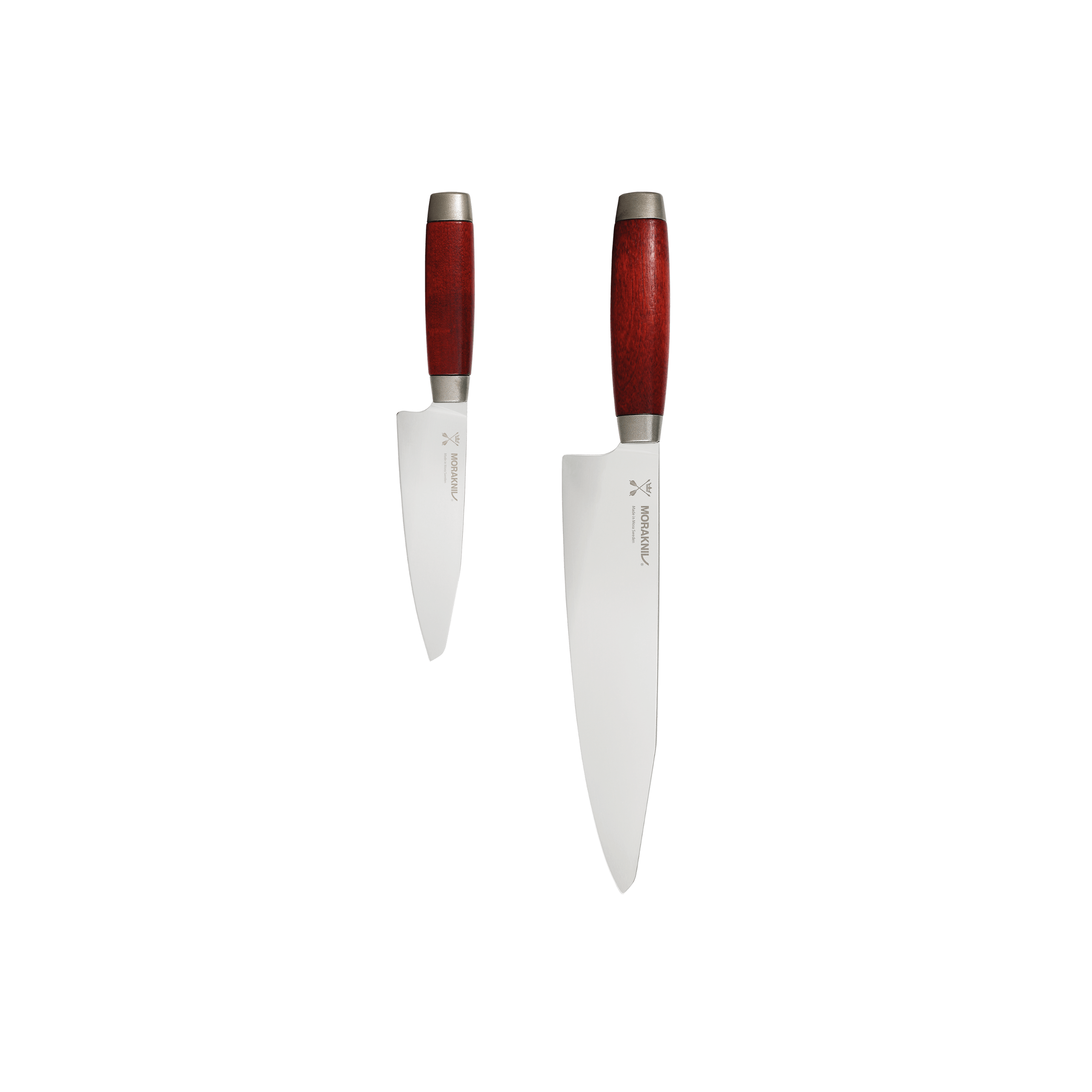
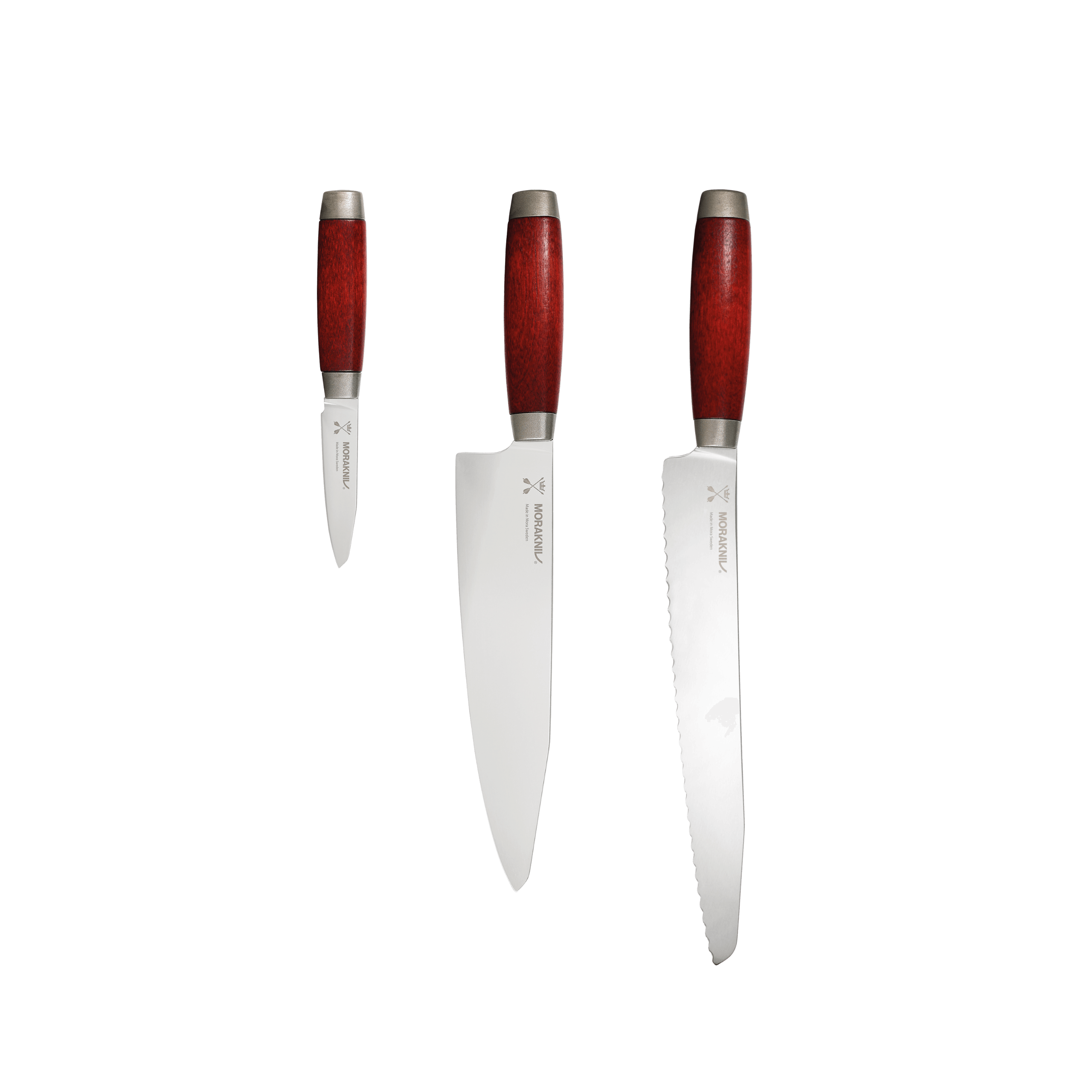
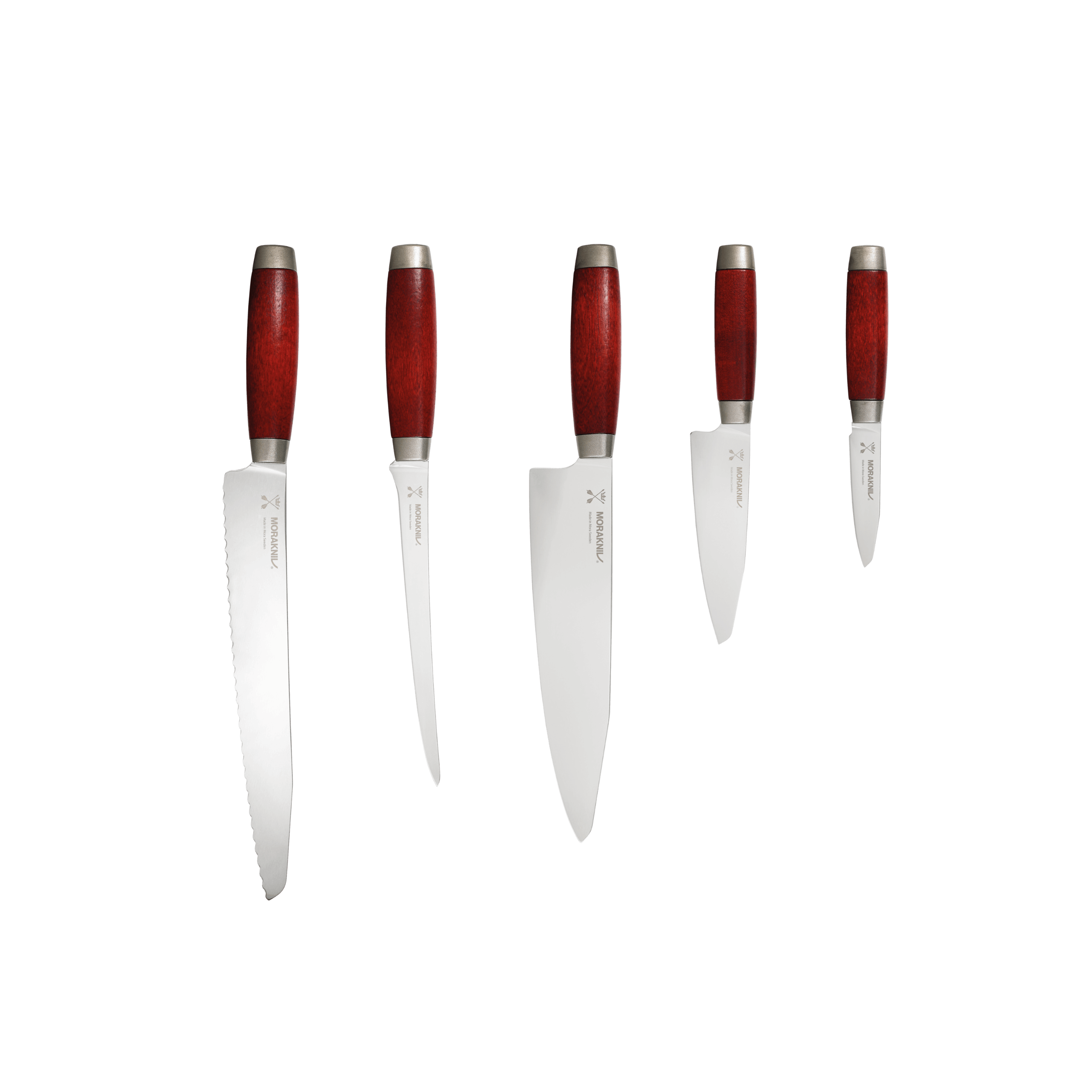

Sharpen your Knife with Tormek T-1
You no longer need to send your knives away for sharpening. With the Tormek T-1, you can professionally sharpen them right on your kitchen counter in just one minute. It has never been easier or more enjoyable to take care of your knives. With a tool like the Tormek T-1, you not only get sharper knives but also better control and a safer experience in the kitchen while cooking.How to Sharpen Knives with Tormek T-1 Morakniv 1891
- Set the angle. Start by setting the angle to 18 degrees.
- Sharpen the blade. Turn on the sharpener and draw the knife through the sharpening guide 5 to 8 times on each side.
- Check for burr. Your knife now has a new raw edge, and you may notice metallic particles known as burr.
- Hone the knife. Hone the blade on the composite honing wheel. Make sure the wheel is rotating away from you.
- Remove the burr. Hone the knife until no burr remains.

How to Sharpen a Bread Knife
First and foremost, it’s important to understand a basic concept: a bread knife is essentially a bread saw. Unlike a regular kitchen knife, which cuts through food with a non-serrated edge, a bread knife features a serrated blade designed to efficiently saw through the crust and texture of bread.When it comes to sharpening a bread knife, the process requires a special technique. Because the knife blade has teeth, you need to use a tool specifically designed for serrated knives. This allows you to restore sharpness without damaging the teeth. Some bread knives can be sharpened in sharpeners developed for this type of edge.
The Morakniv Classic 1891 Bread Knife is one of the few bread knives that can be sharpened with the Tormek T-1 Morakniv 1891 sharpener. This is because the knife edge is centered, just like that of a regular chef’s knife, allowing you to sharpen it at an 18-degree angle. However, this is rarely needed since the sharp blade of a bread knife doesn’t dull with repeated use. But when you do need to sharpen it, the right tools and methods can easily maintain your bread knife and extend its lifespan.