

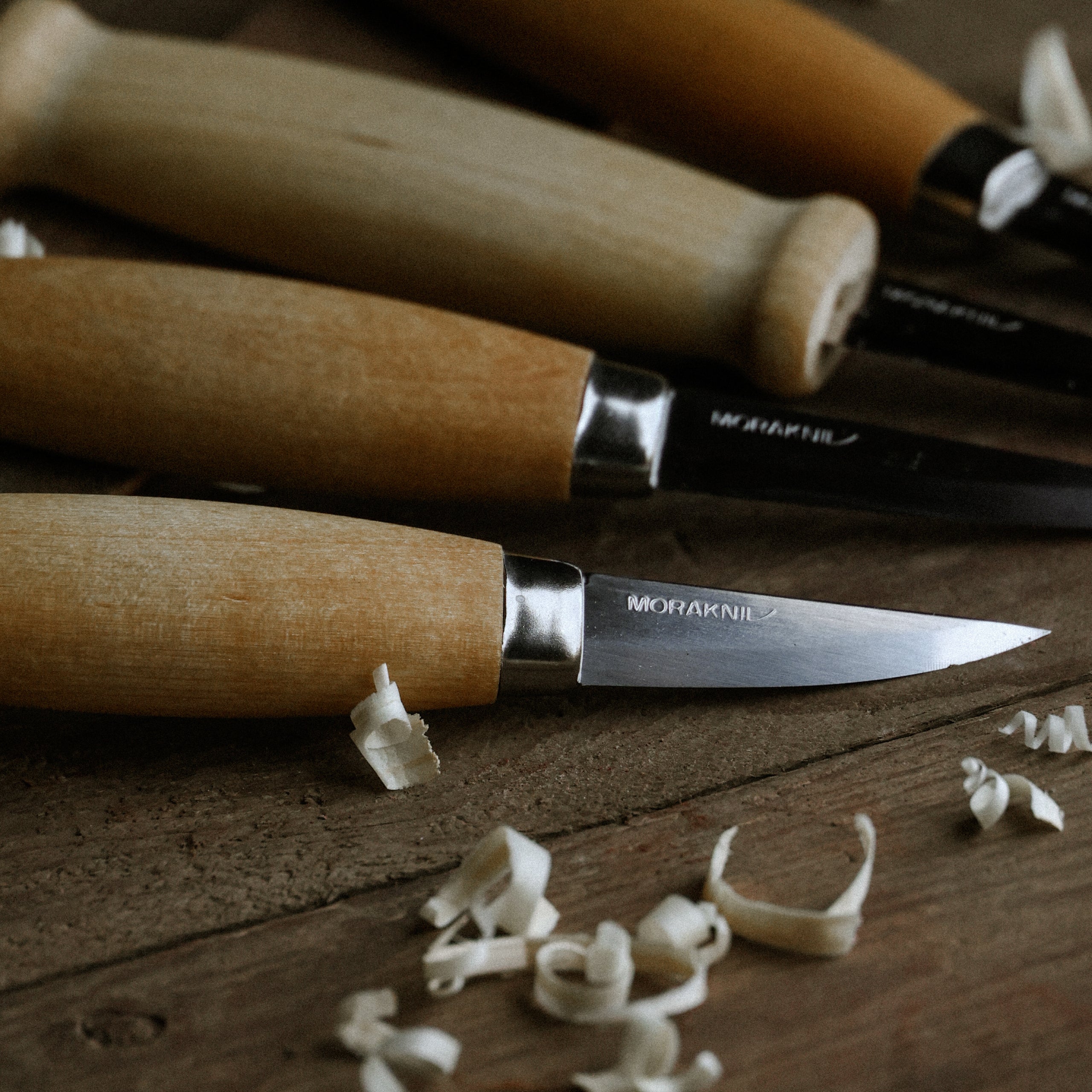
Wood carving knives for beginners
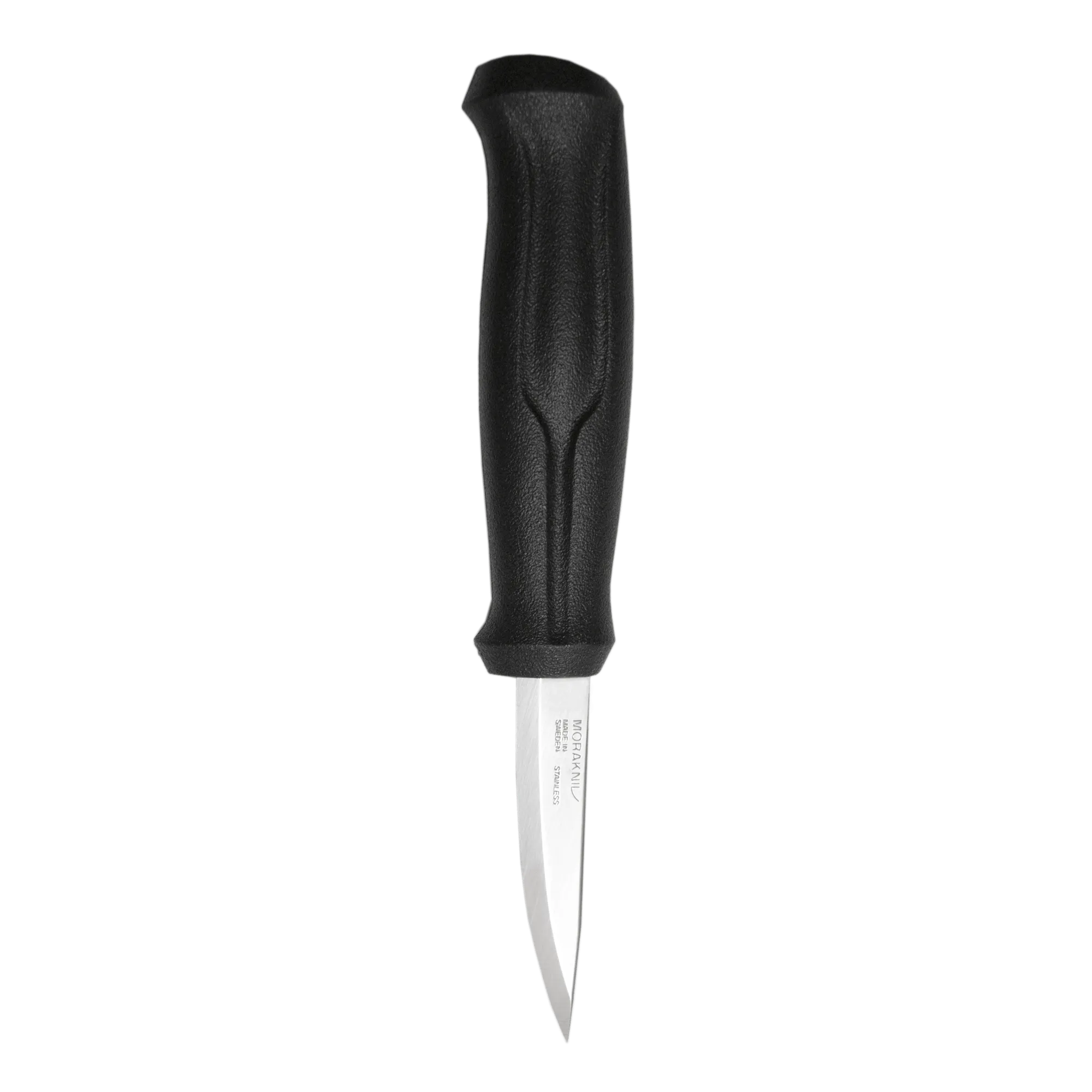
Our range includes everything from beginner-friendly models to specialized knives for skilled carvers.If you’re new to the world of carving, the Woodcarving Basic (S) is a safe and easy-to-use choice. It features a grippy plastic handle with a protective finger guard and a slim, pointed stainless steel blade suitable for all-round carving. A good knife at an affordable price.
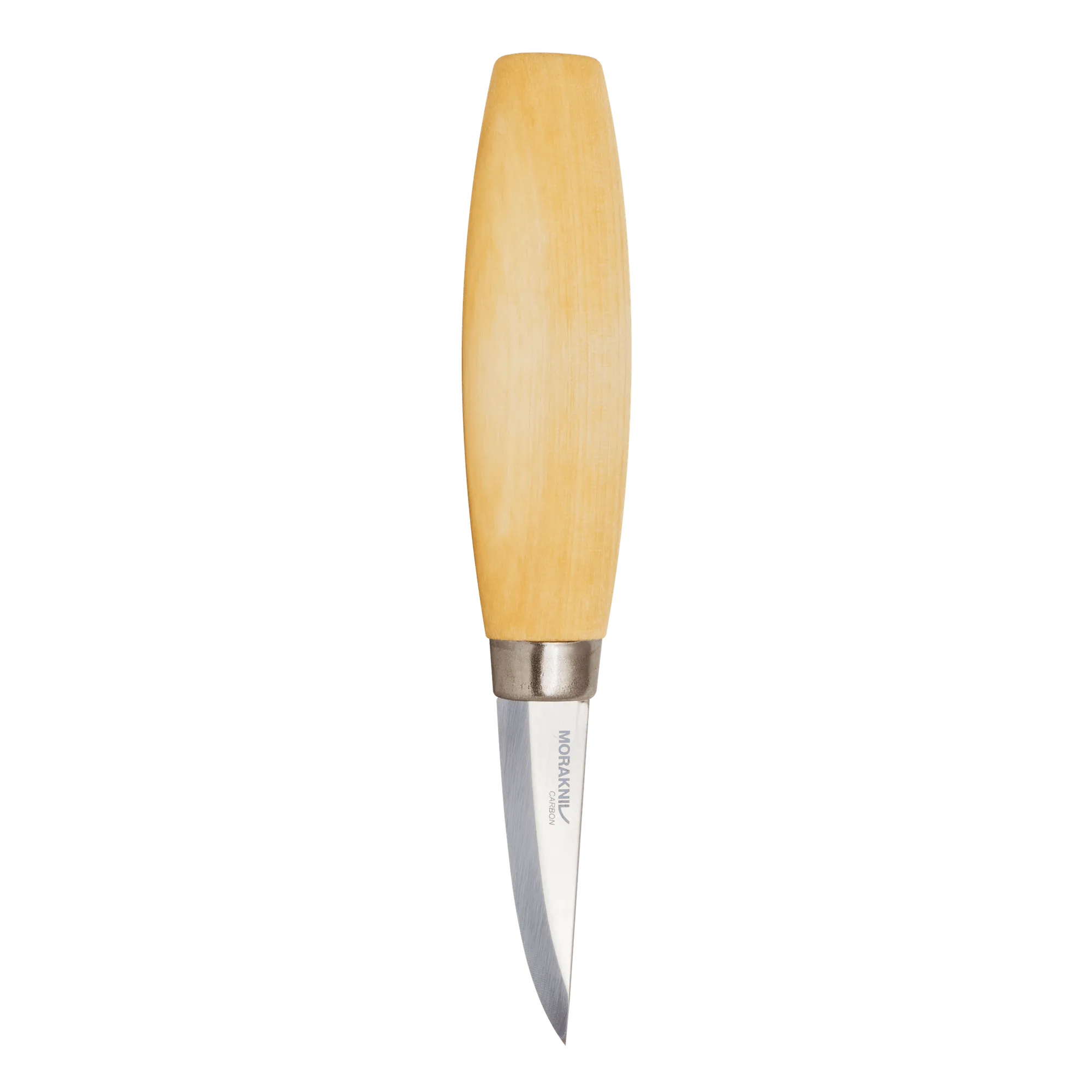
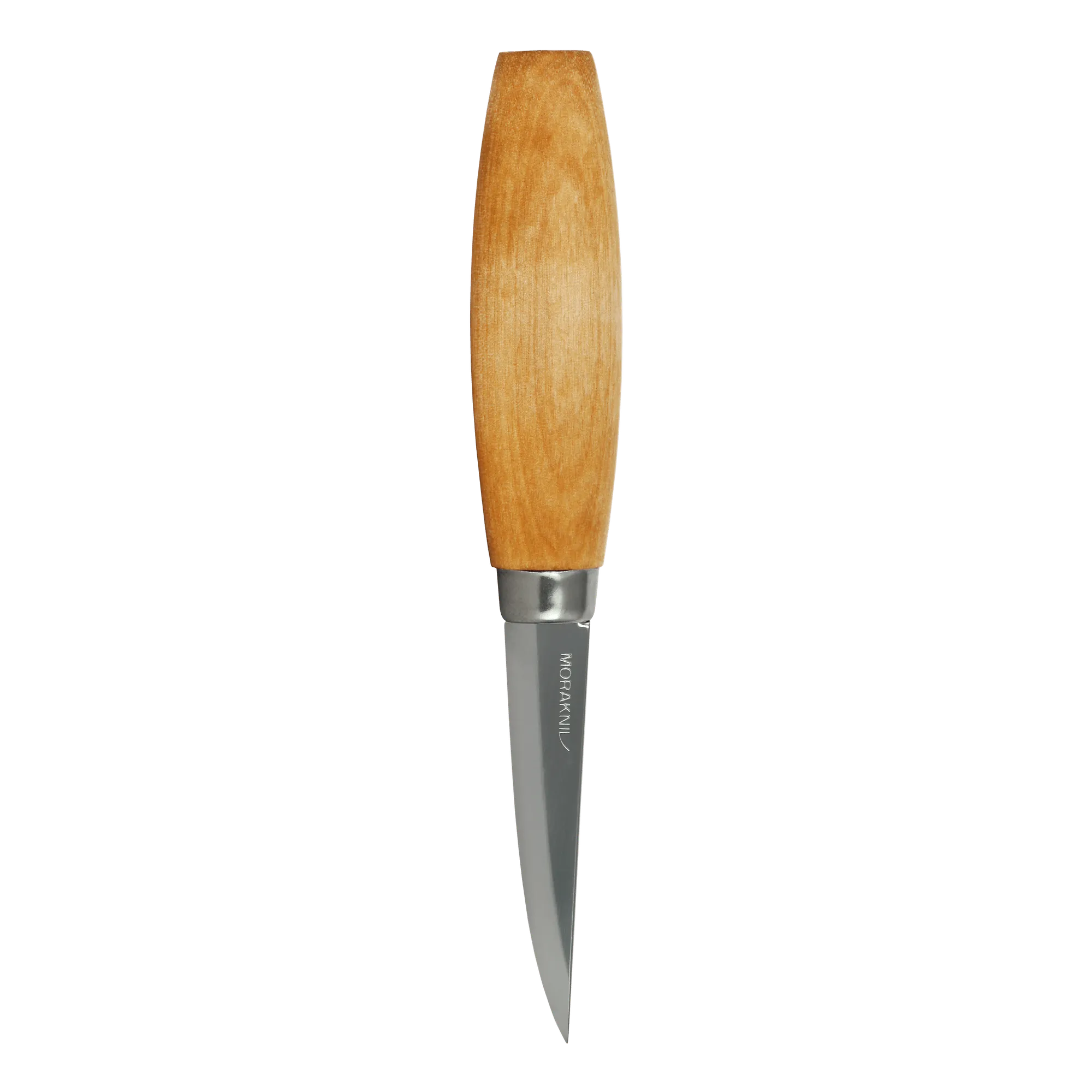
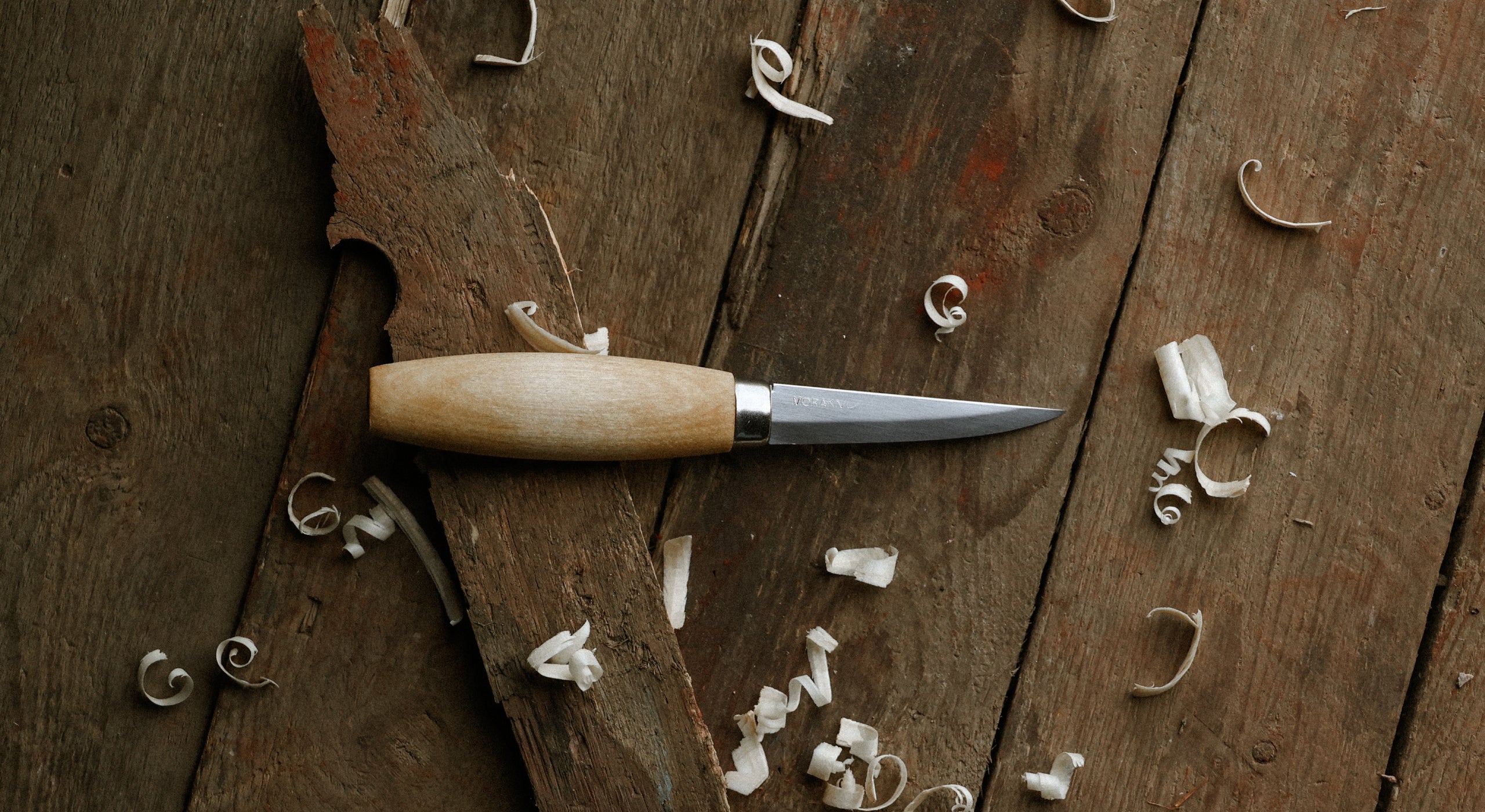
Another great option is the Woodcarving 106, a favorite among both new and seasoned carvers. It’s available in laminated carbon steel, which withstands lateral pressure, or carbon steel, which is easy to resharpen.
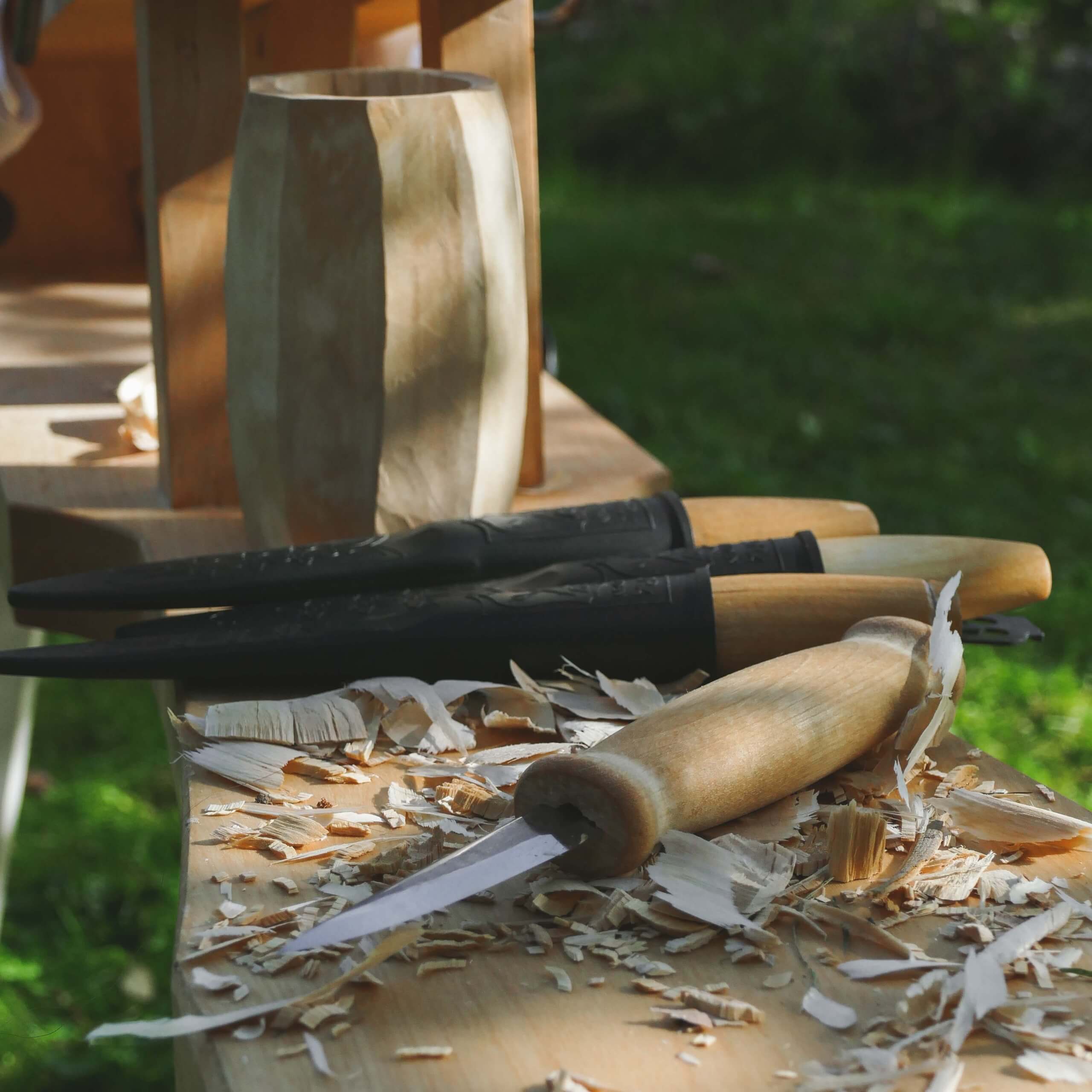
Nusnäs knife and detail woodcarving knives
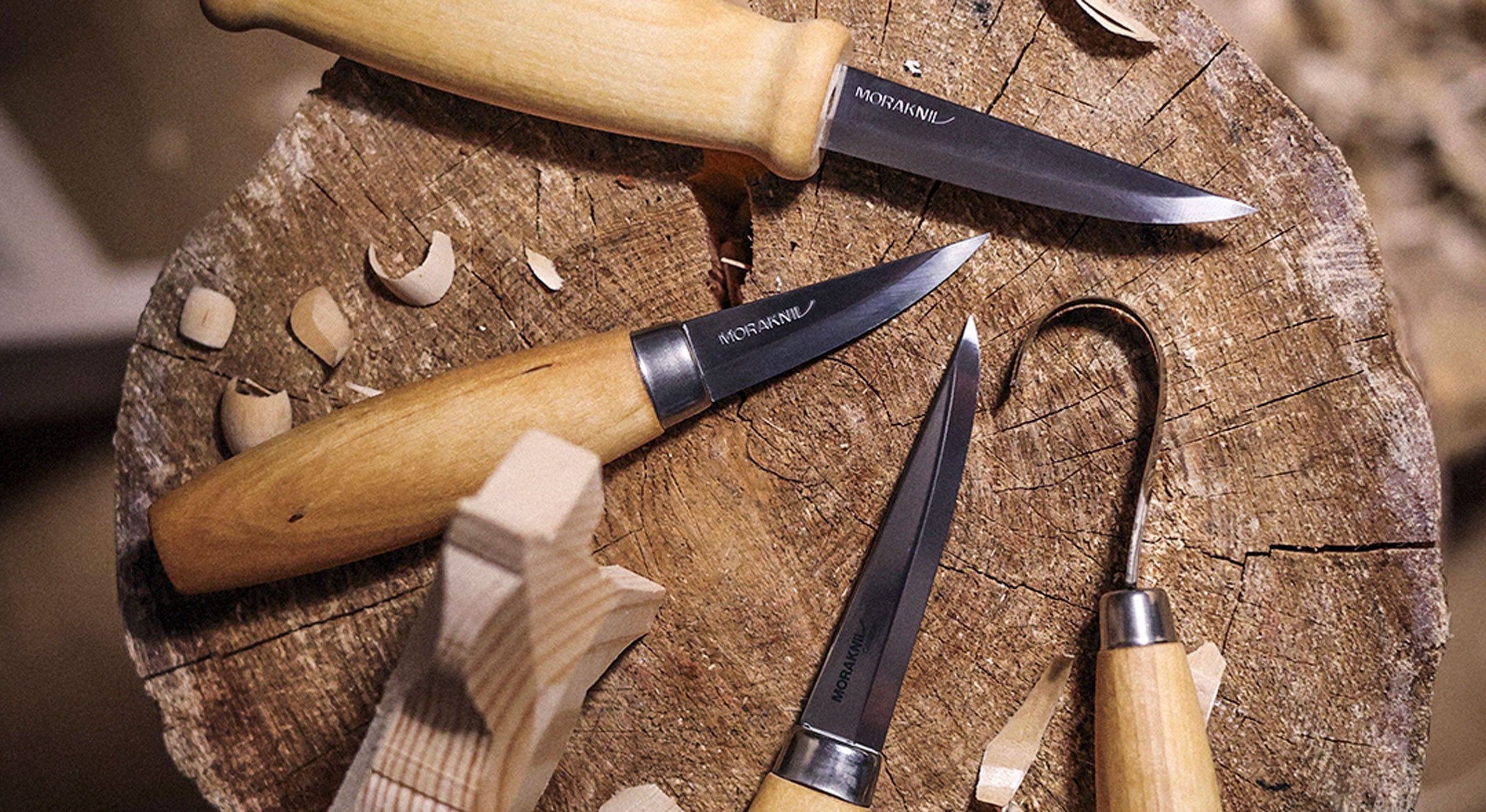
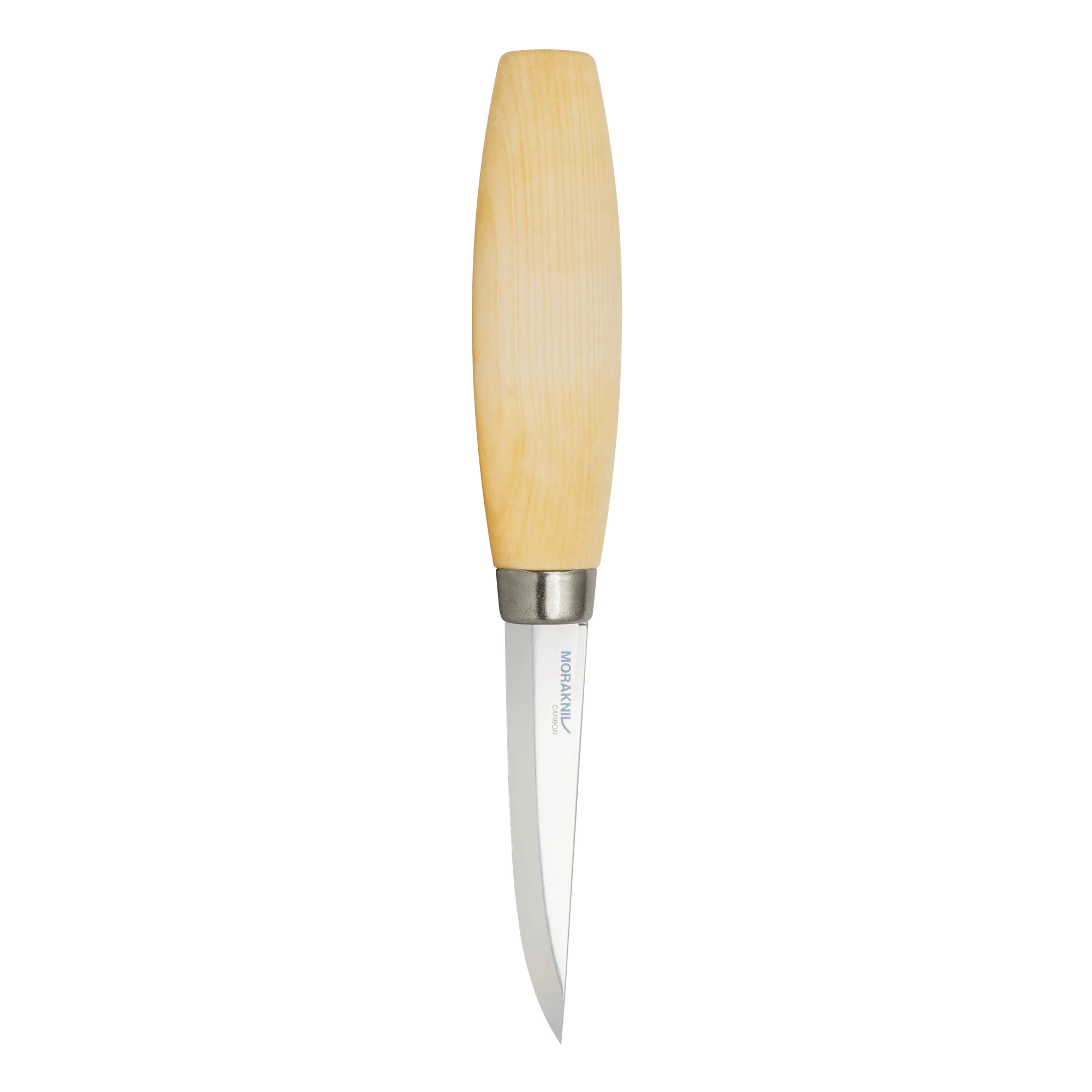
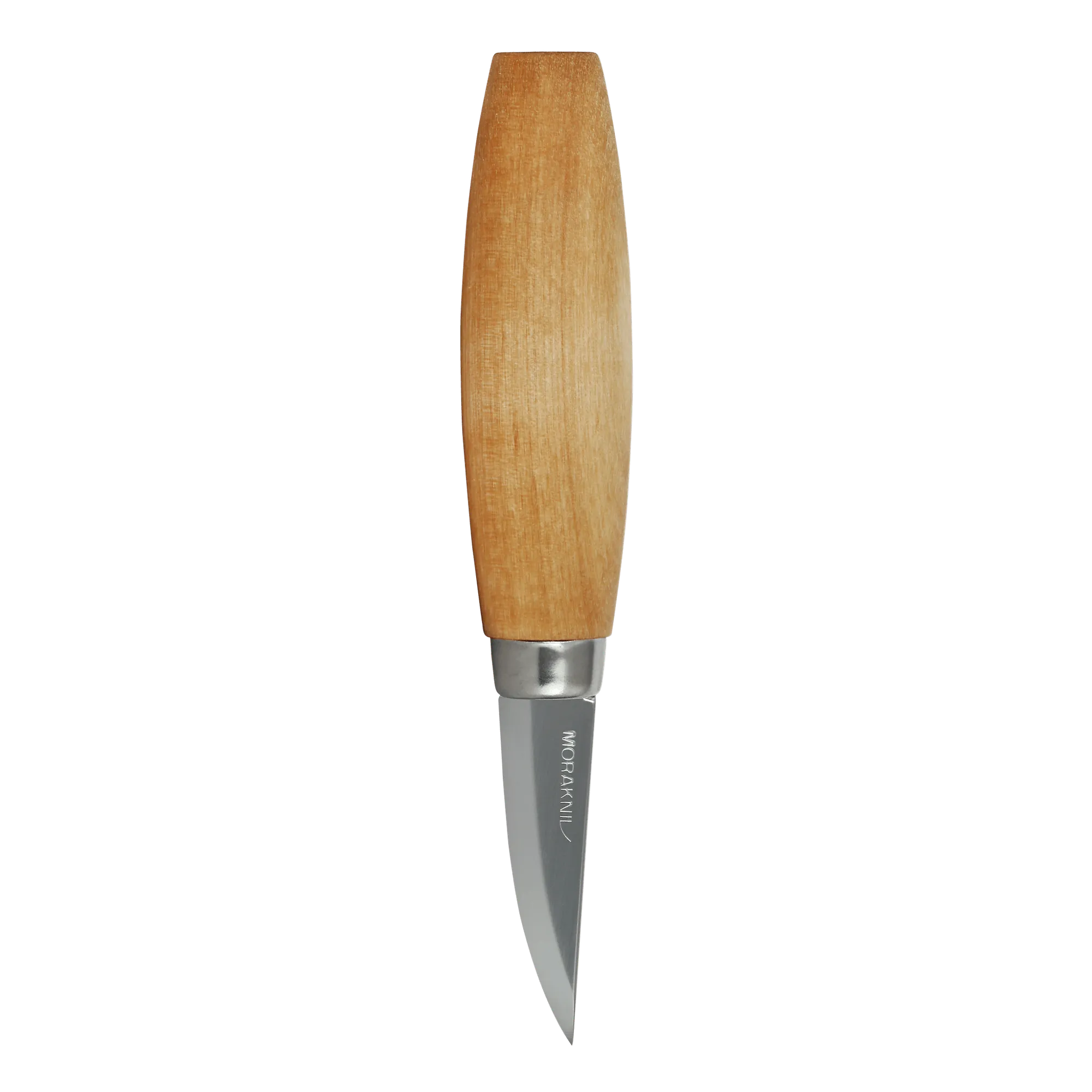
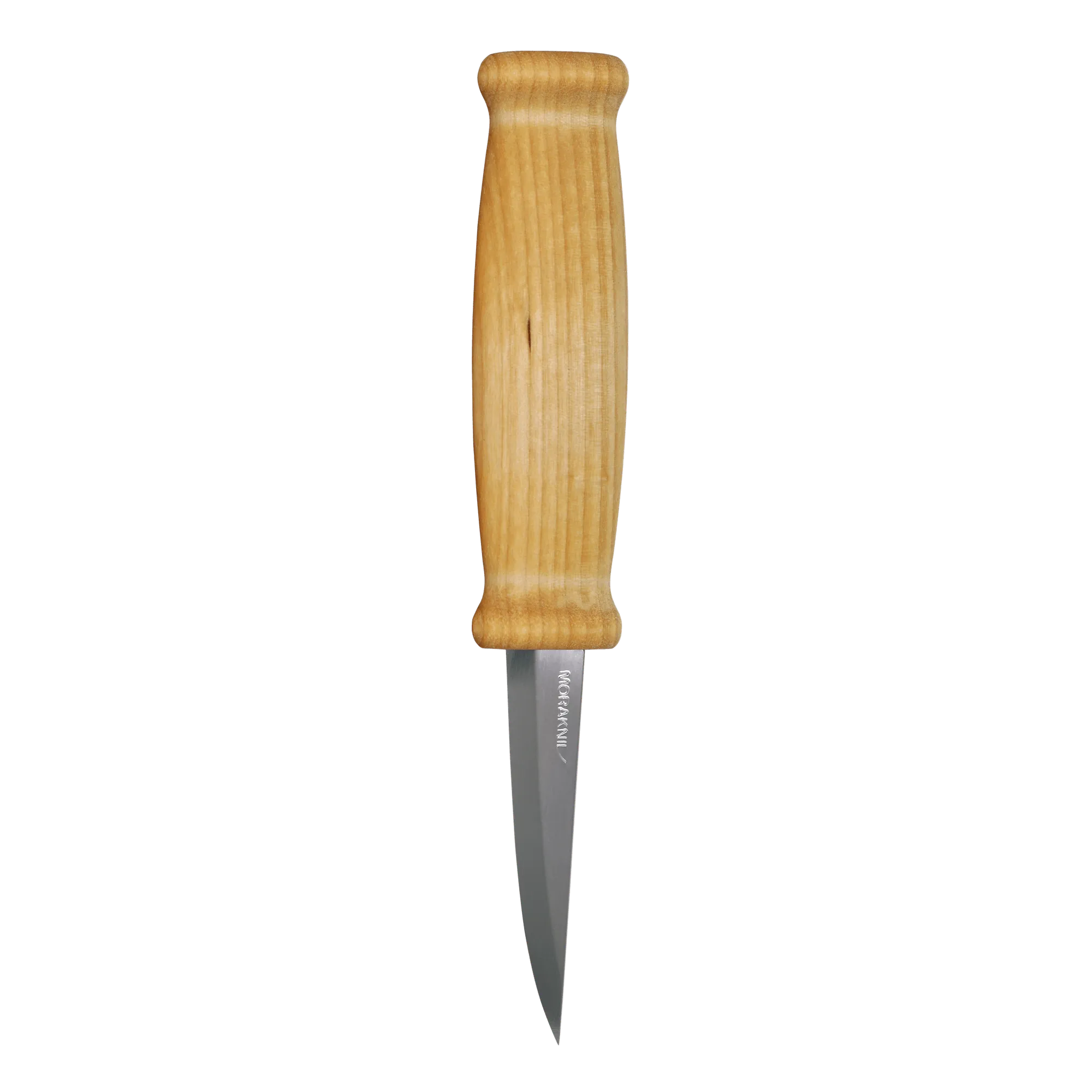
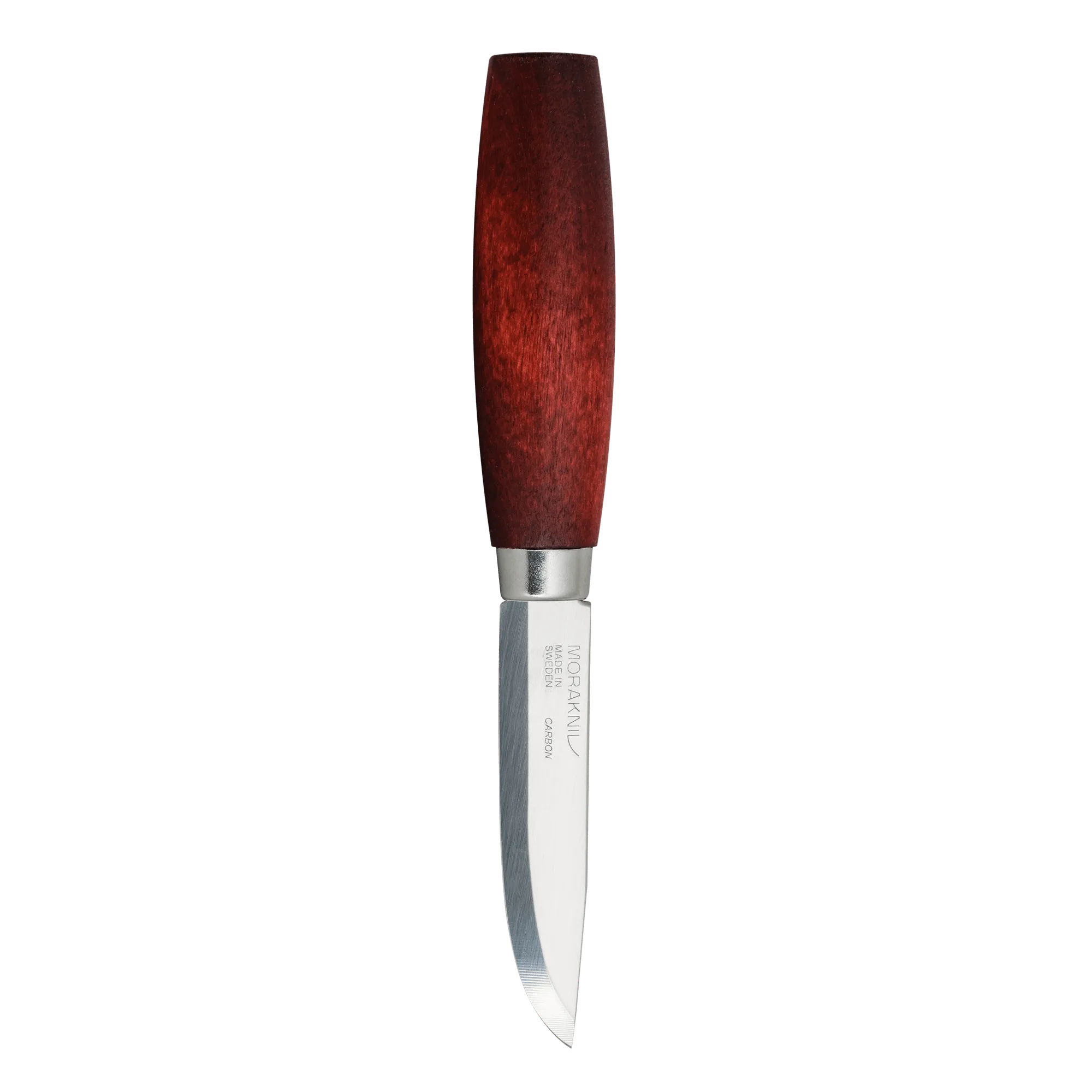
The Woodcarving 105 (LC) is known as the “Nusnäs Knife,” used to carve traditional Swedish Dala horses. It features a longer 84 mm blade made from laminated carbon steel.The Woodcarving 120 is a versatile all-round knife with a short 62 mm blade ideal for detail work and precision carving. Available in both carbon steel and laminated carbon steel.


459 SEK
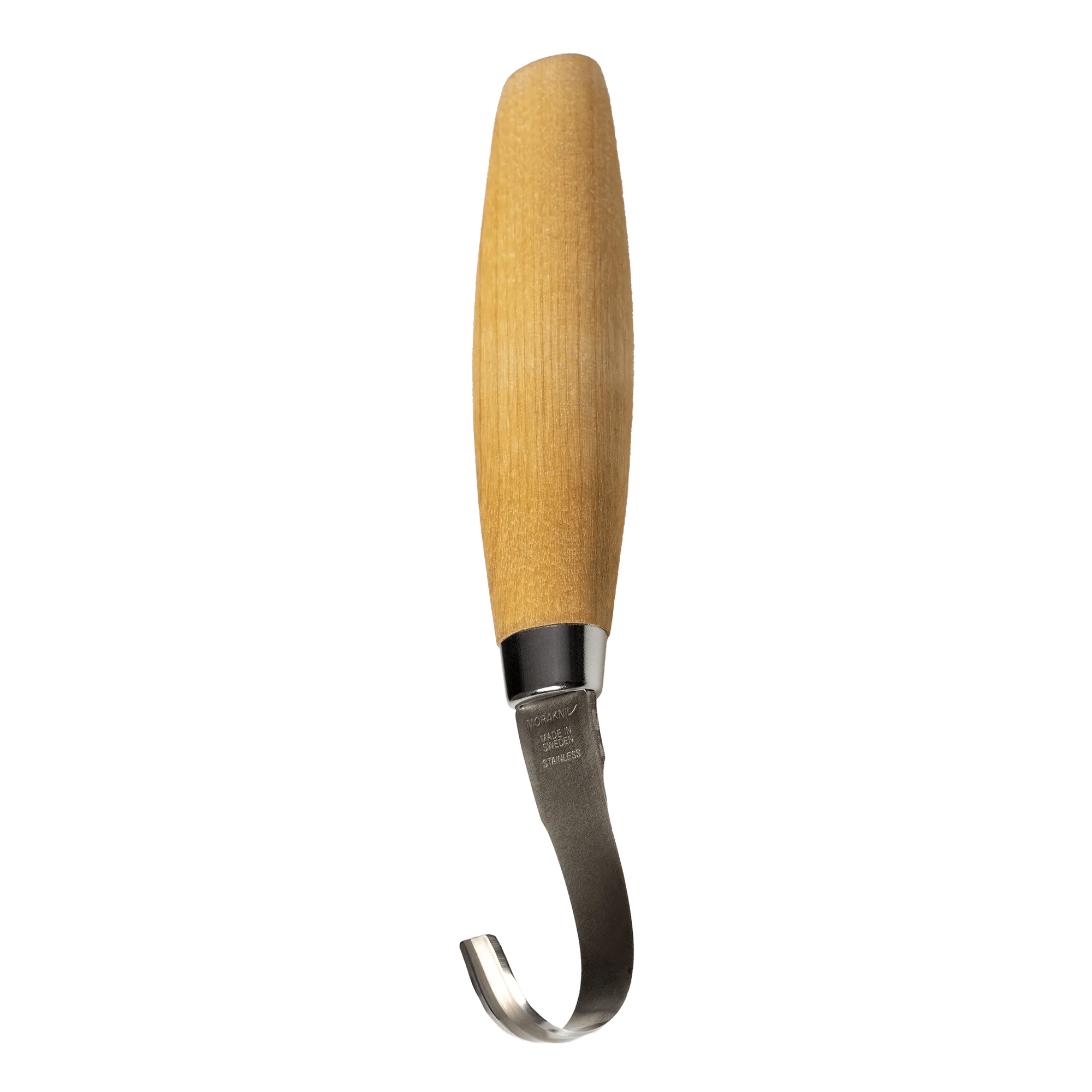
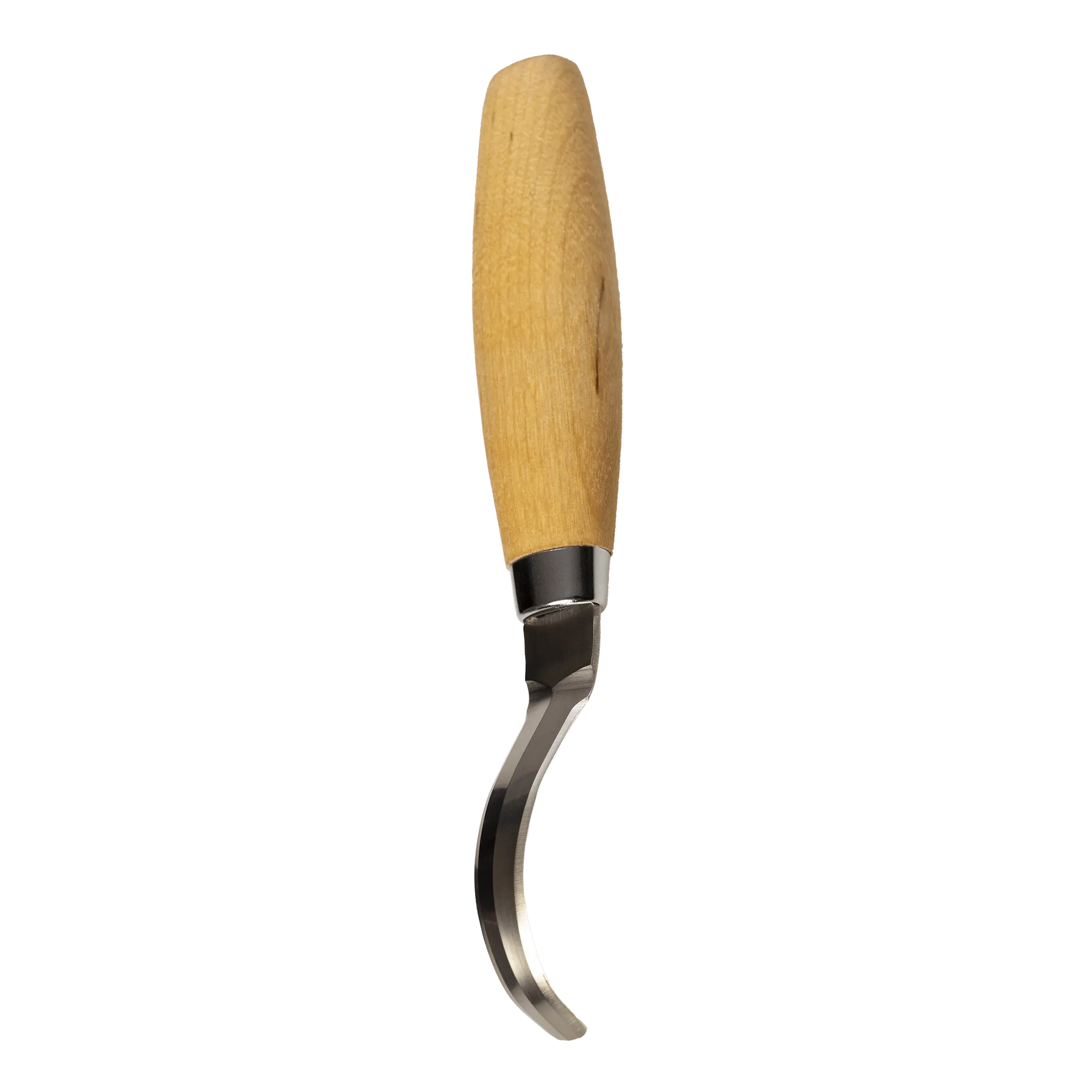
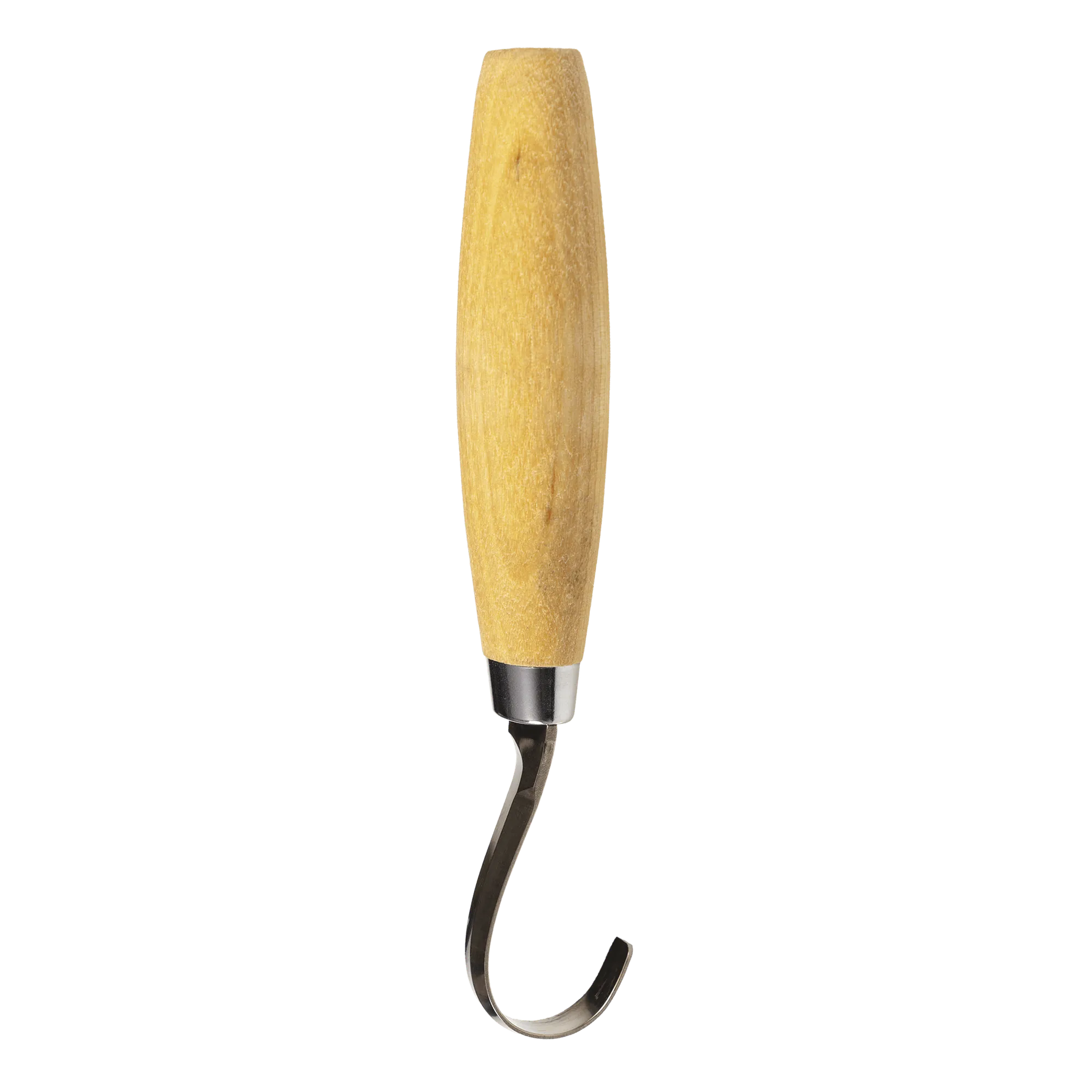
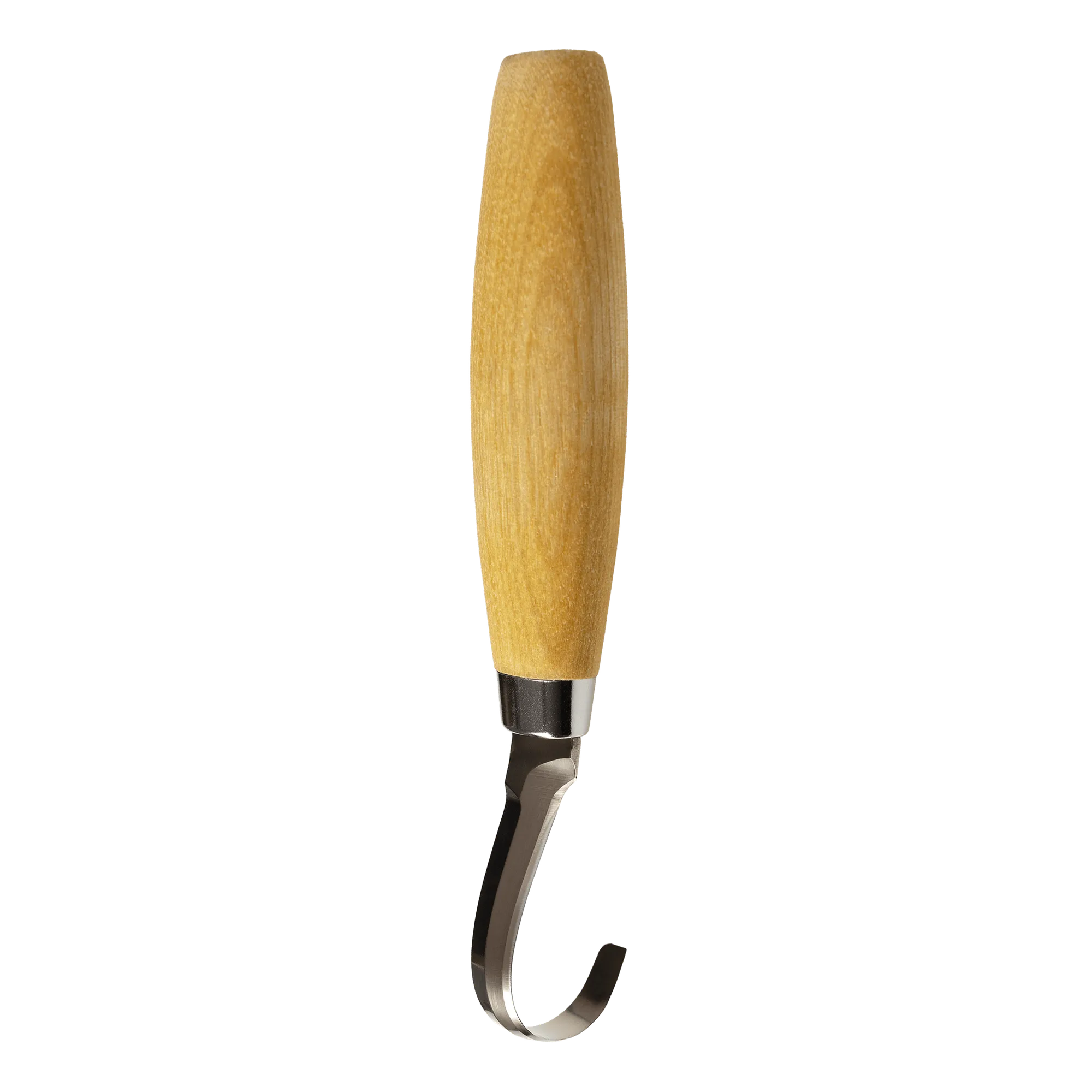
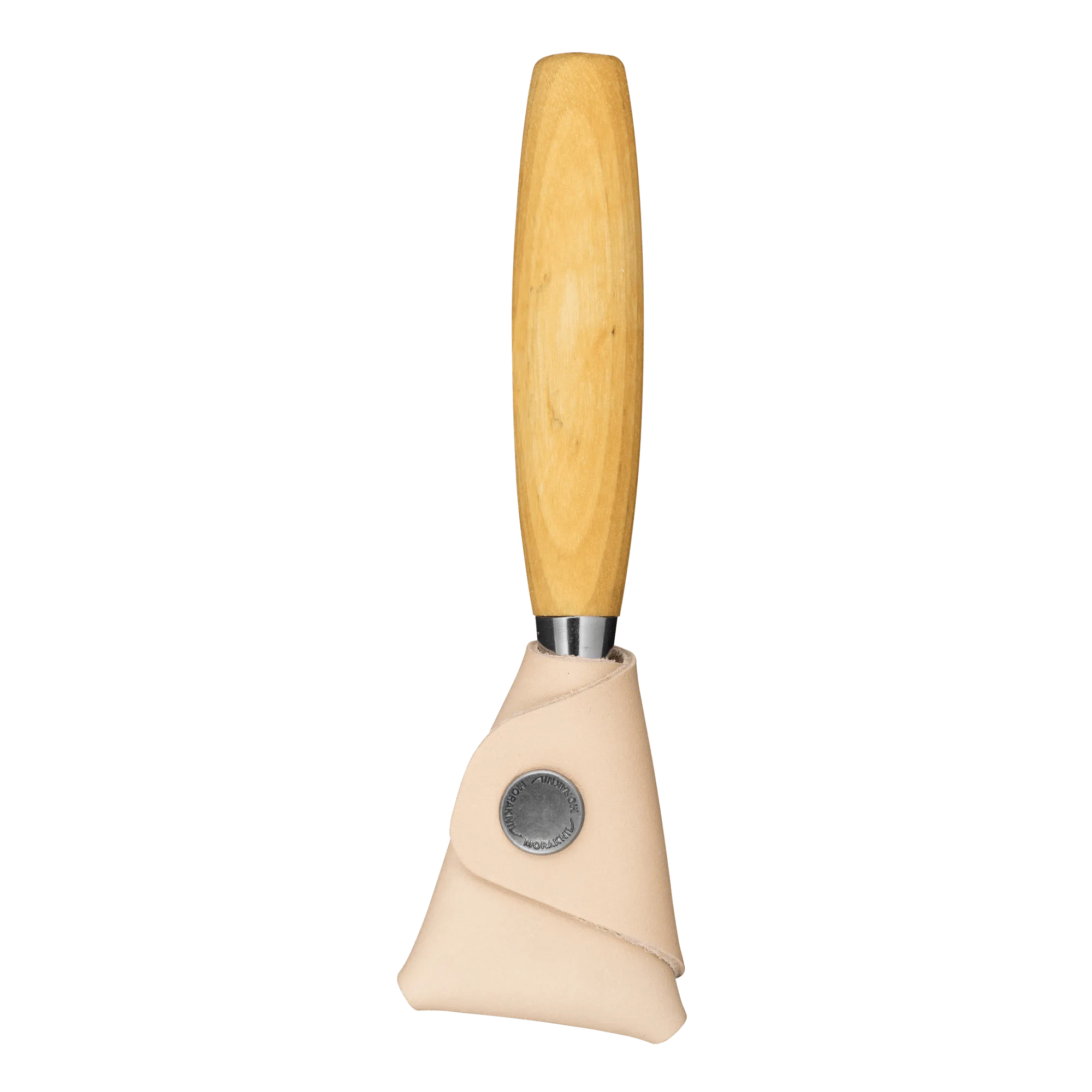
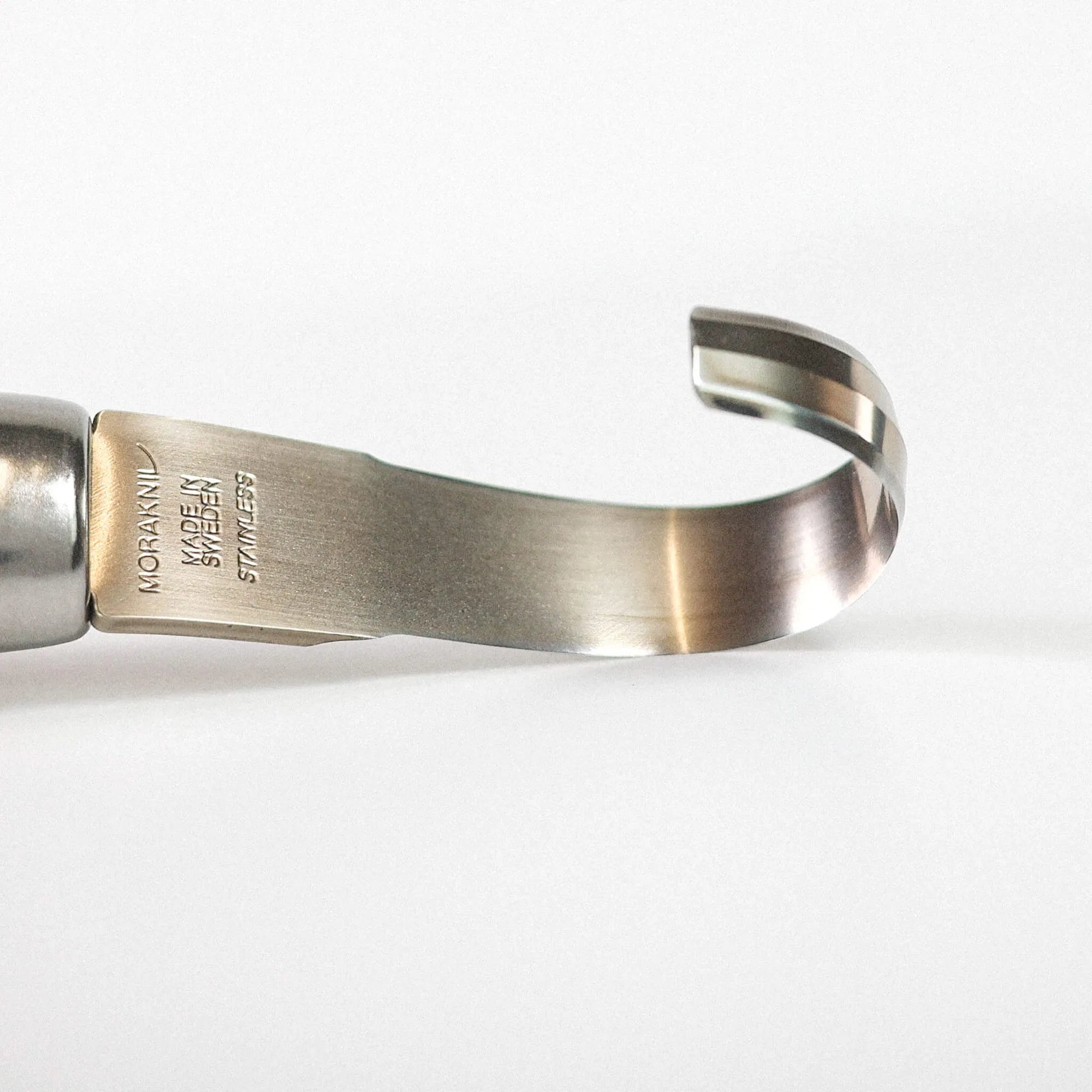
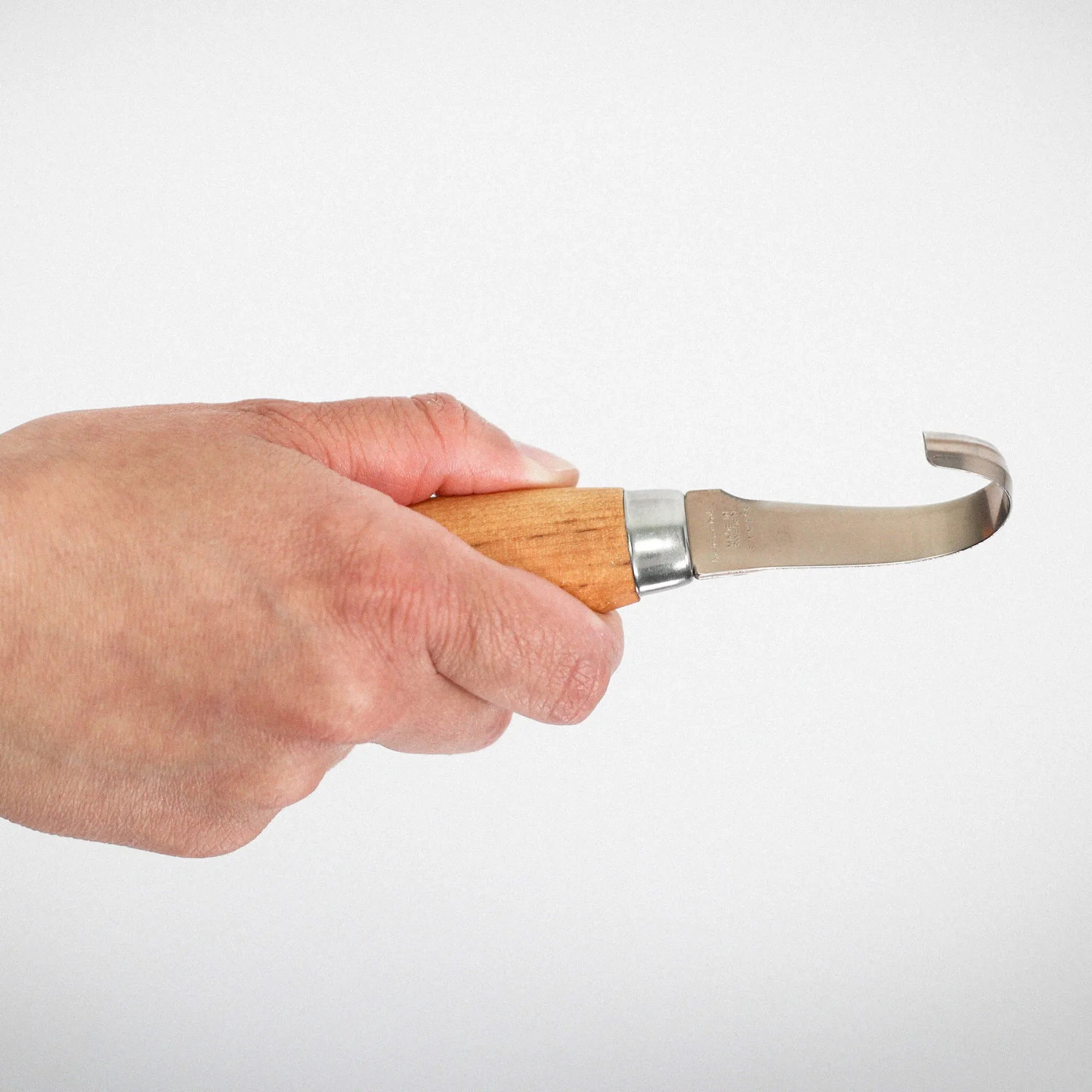
The Hook Knife 162 features a 55 mm long, double-edged blade made from Swedish stainless steel. Its tight curve is ideal for carving scoops, bowls, or making deeper hollows. Comes with a sheath made of Tärnsjö leather.
Included accessories: Leather Edge Protcetion


339 SEK
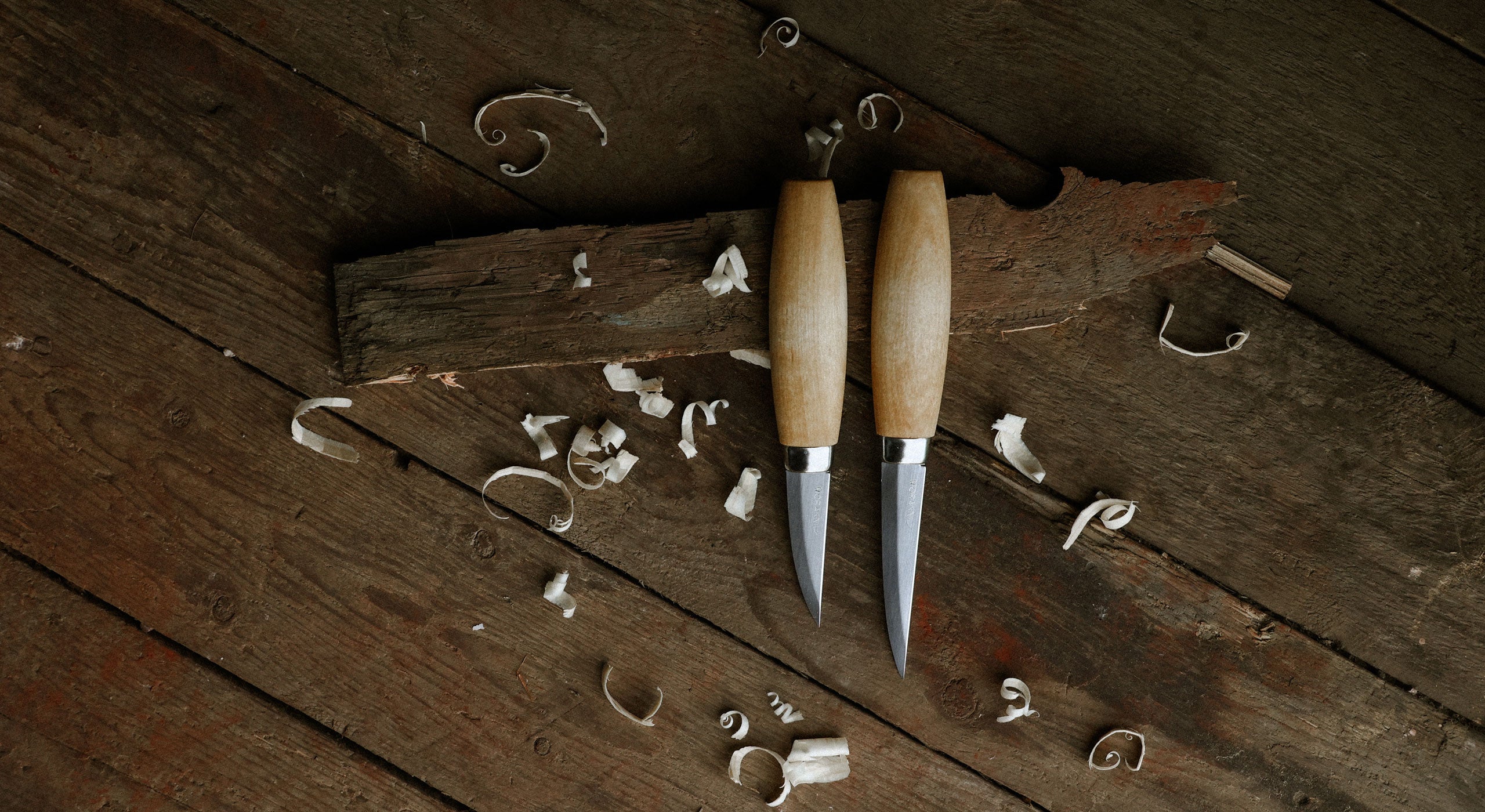
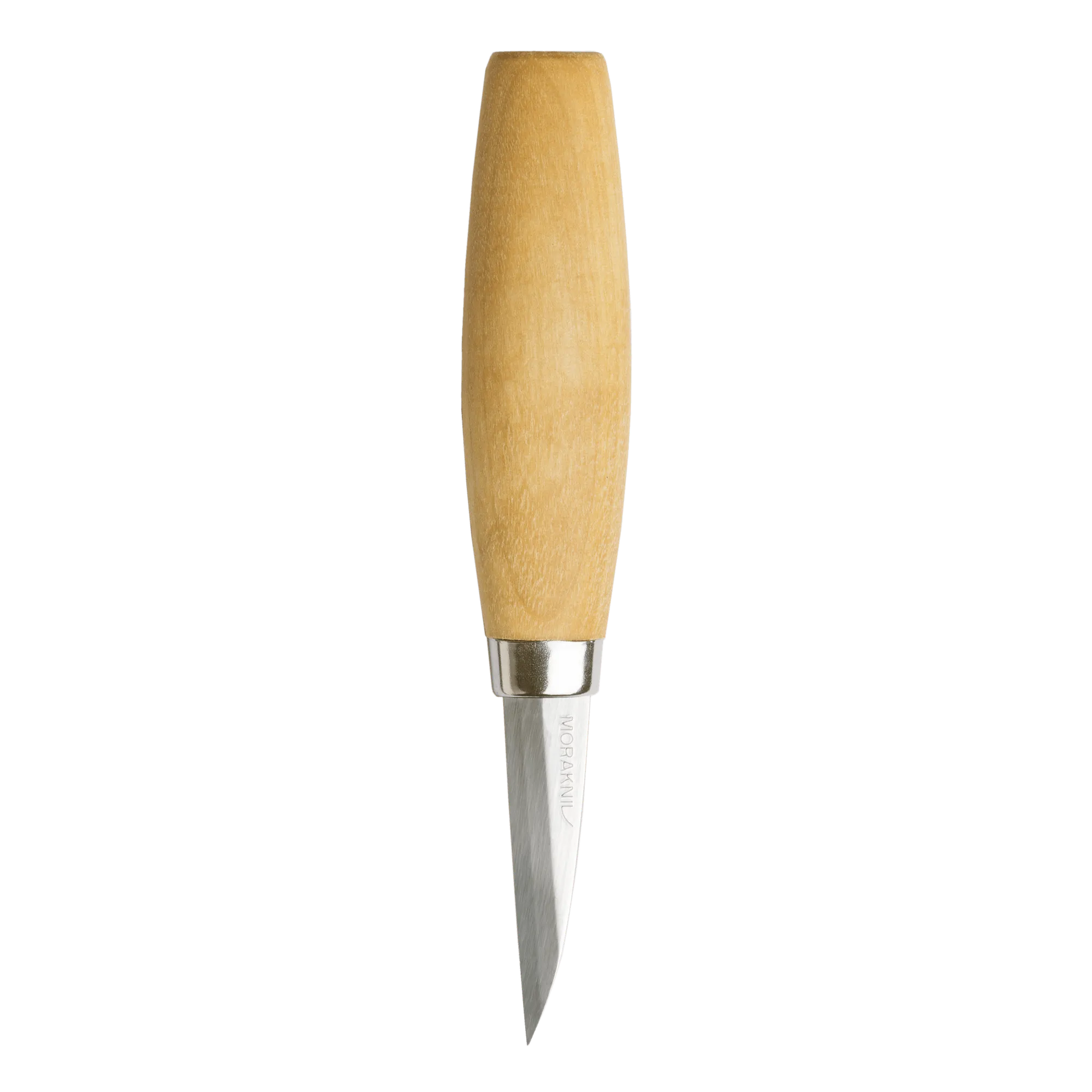
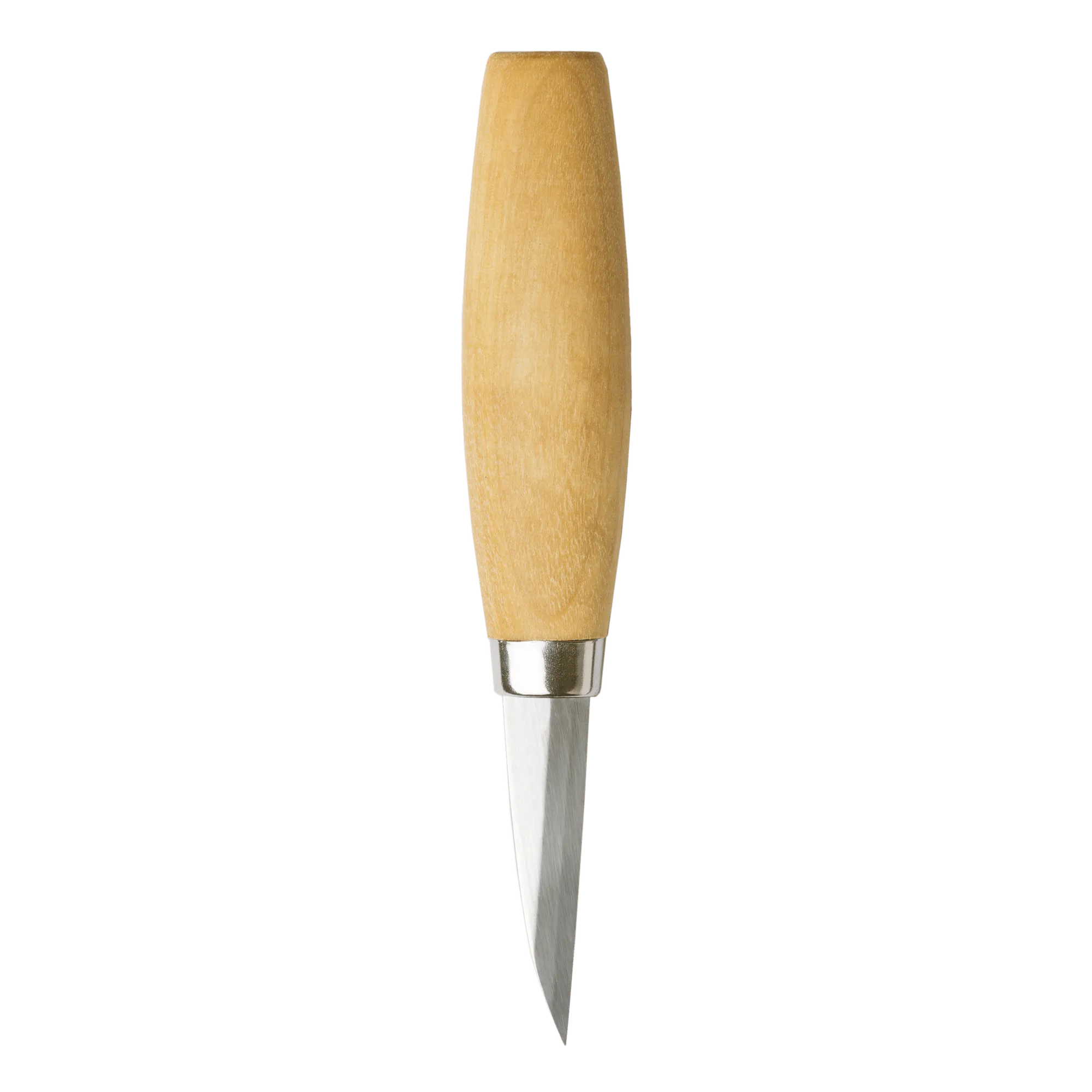
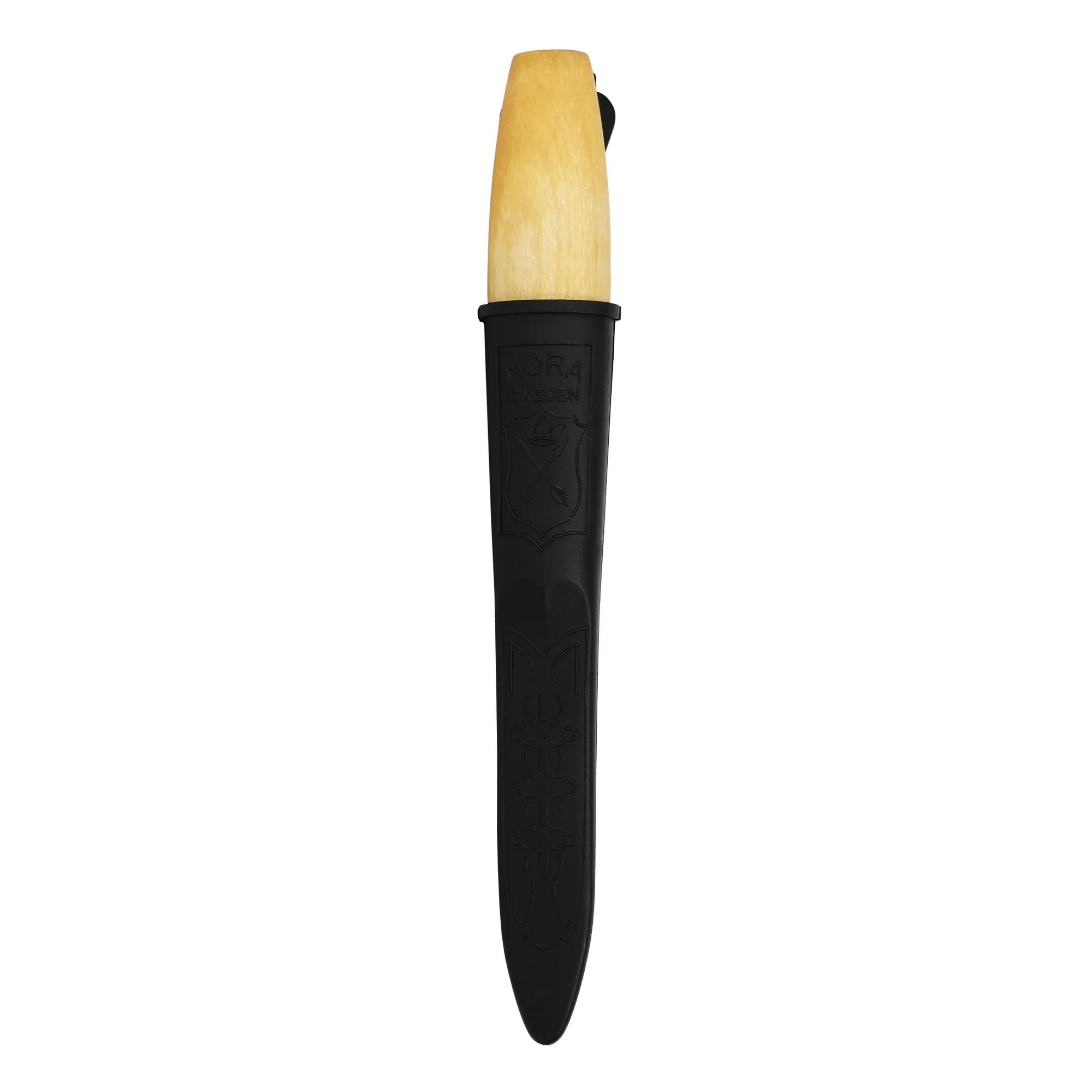
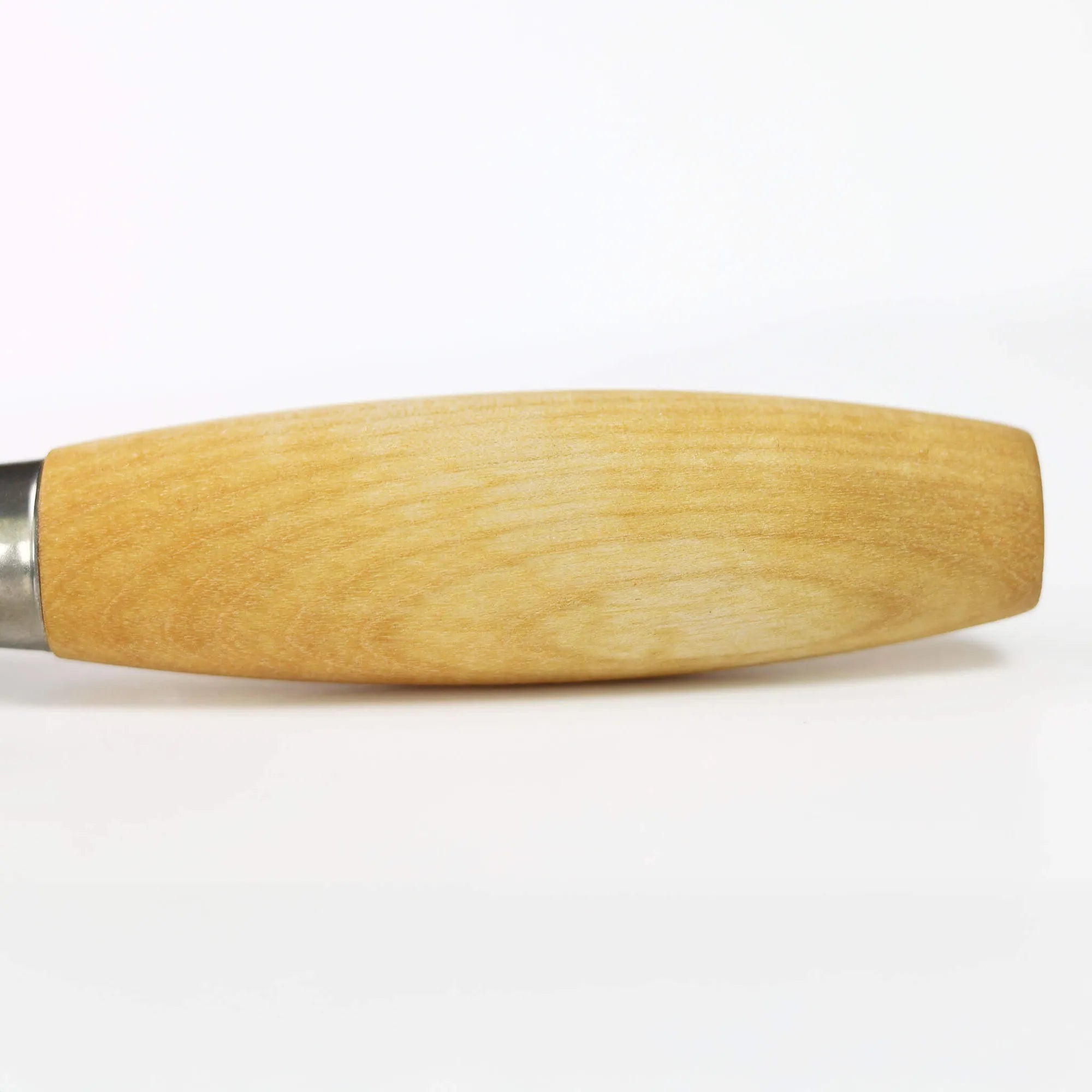
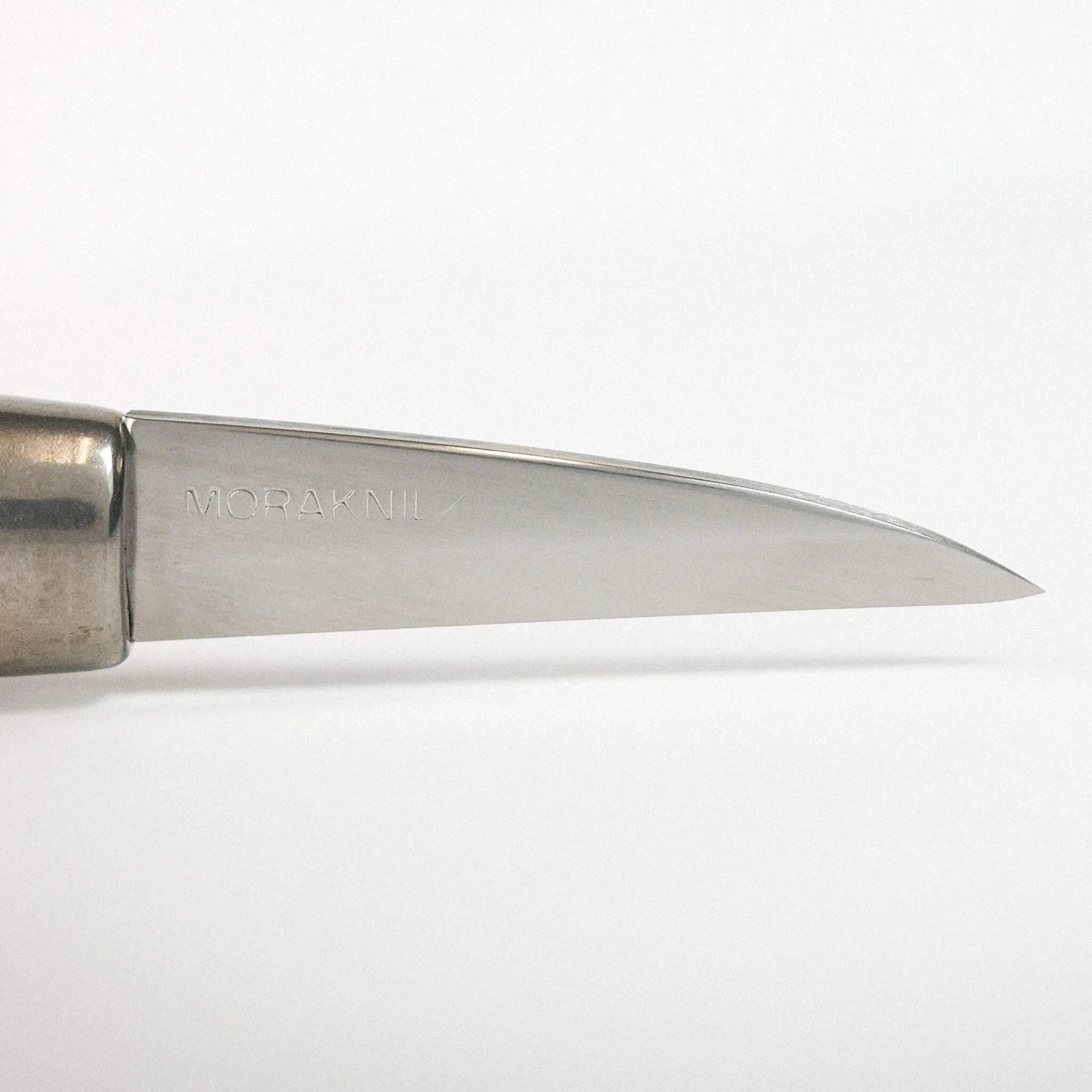
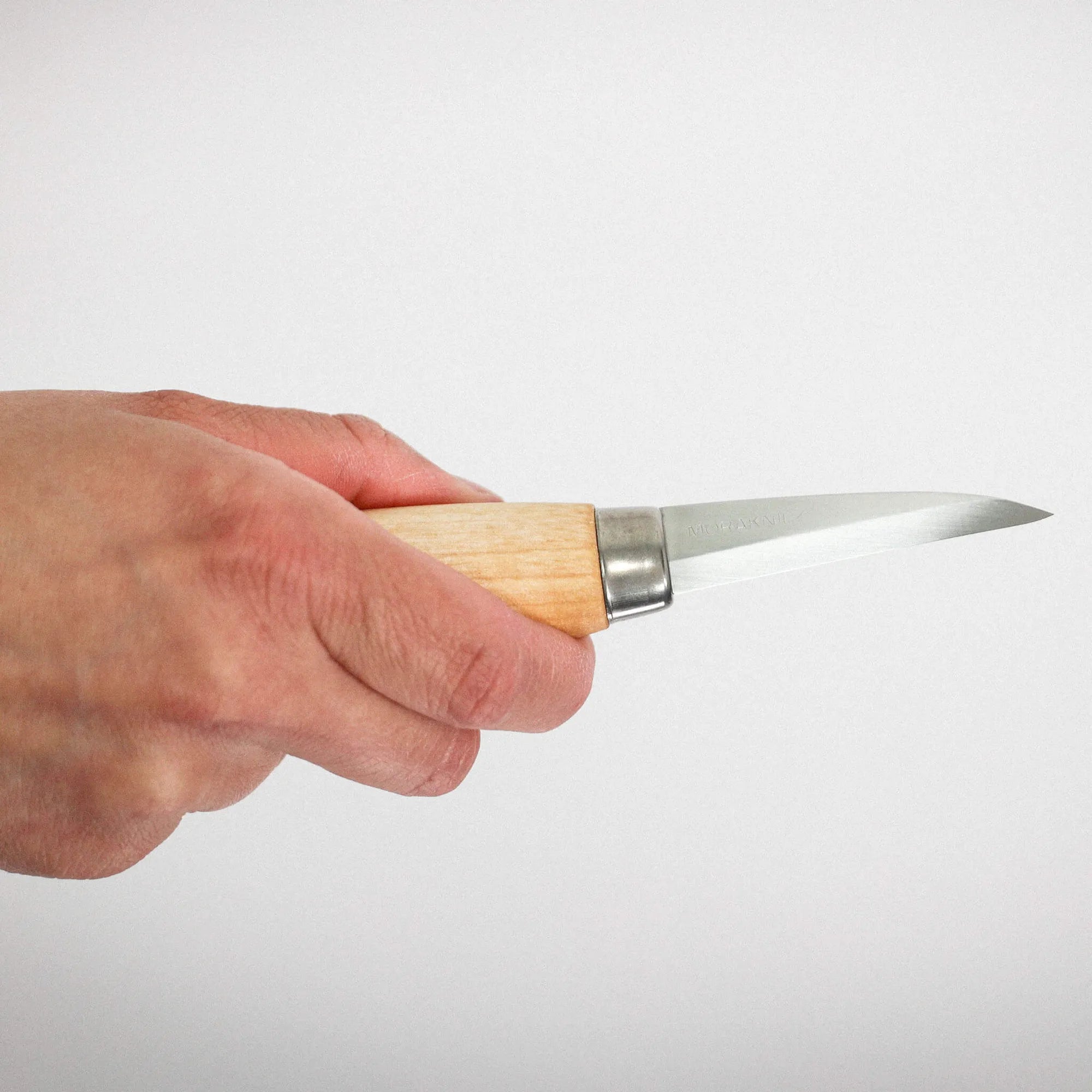
The Woodcarving Knife 122 (LC) is a whittling knife with a 62 mm laminated carbon steel blade. Its pointed shape with a straight edge makes it suitable for chip carving and detailed woodwork.
Included accessories: Knife Sheath
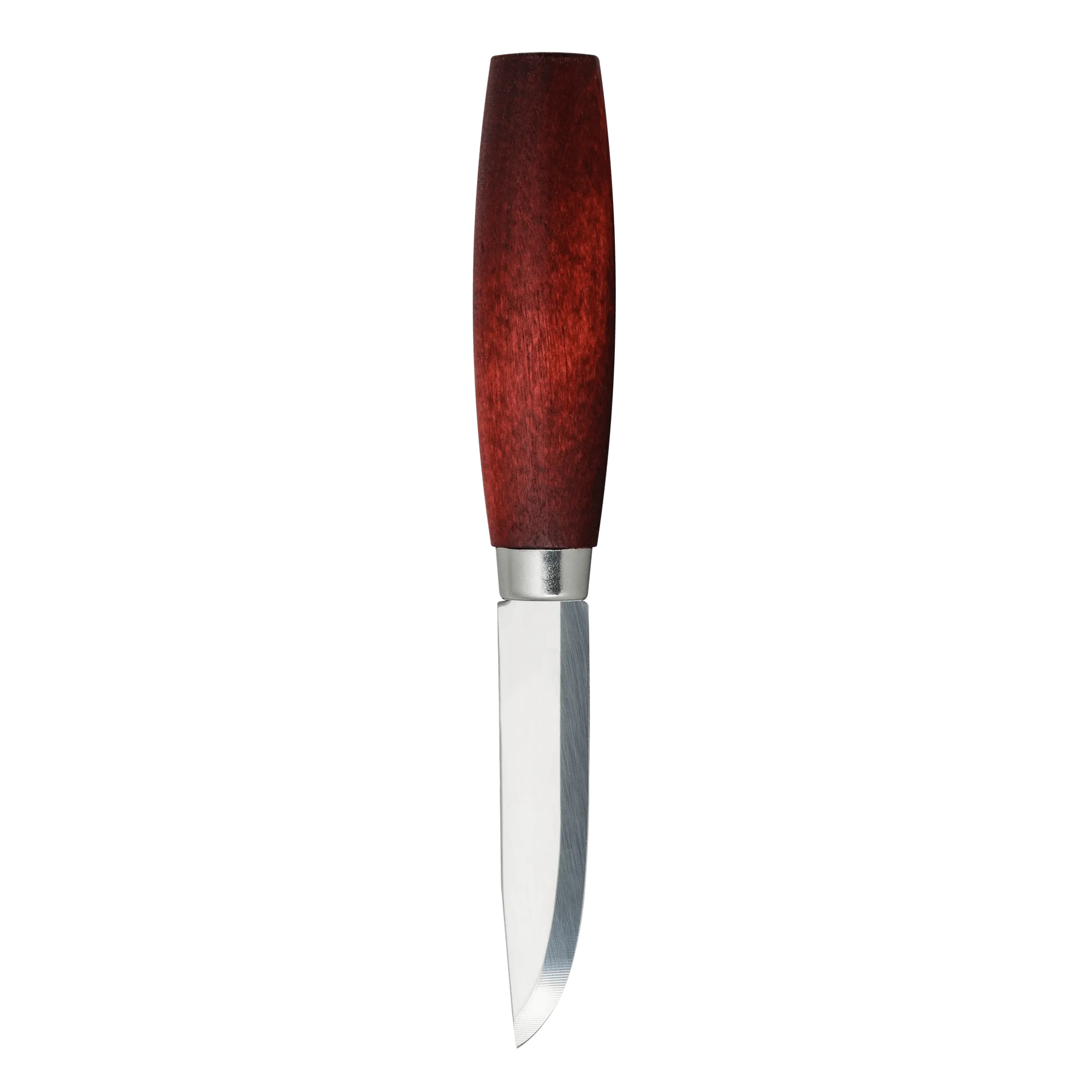


339 SEK
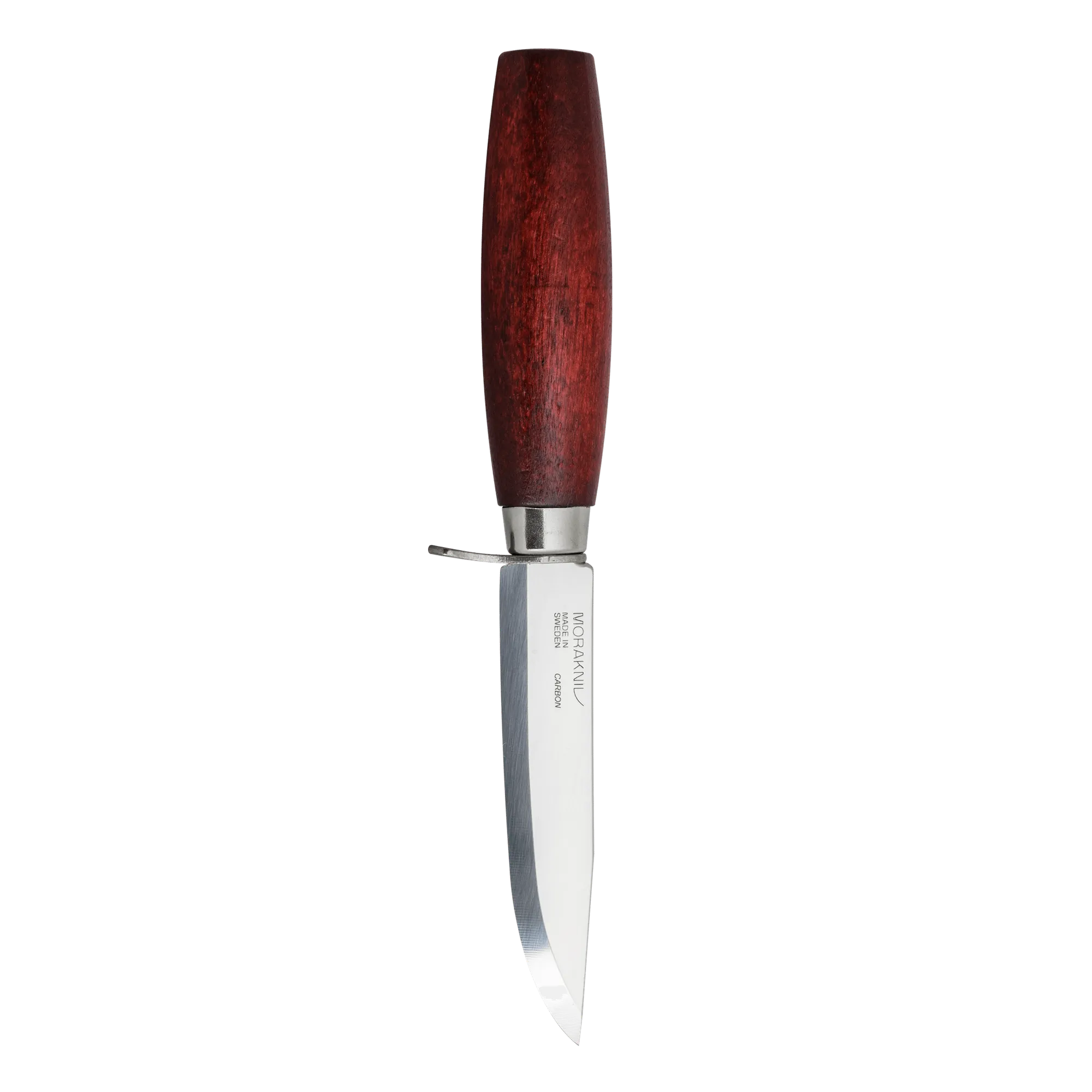
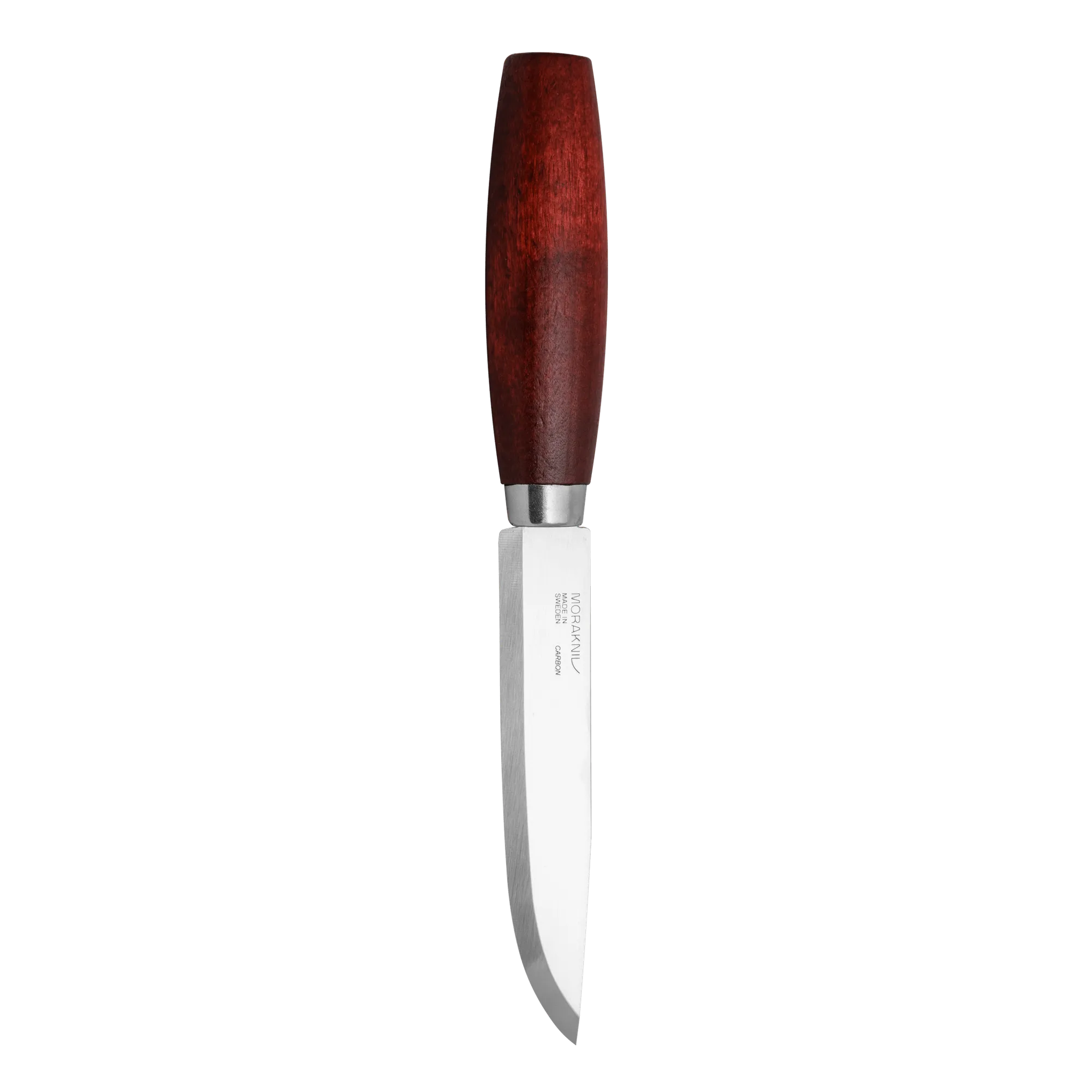
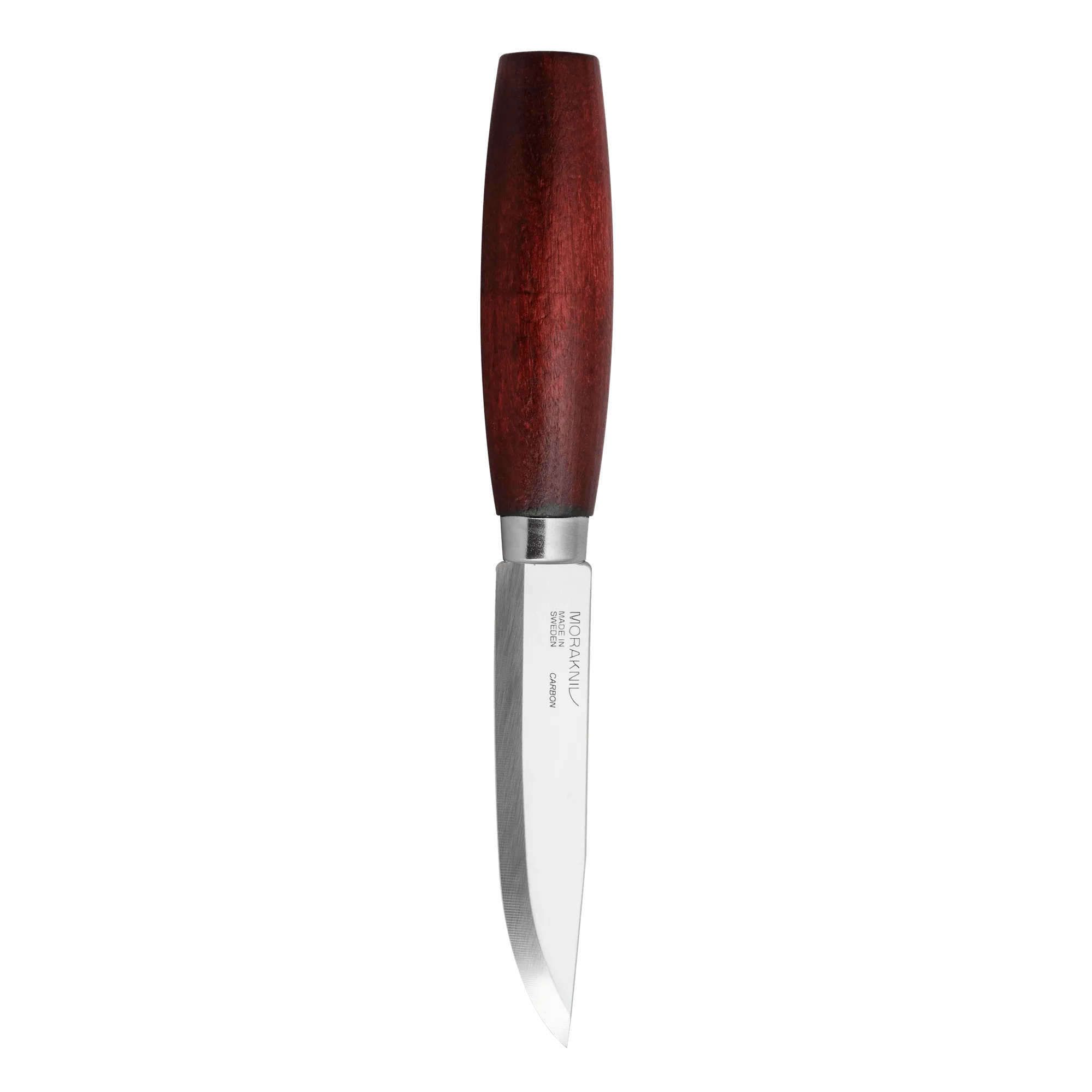
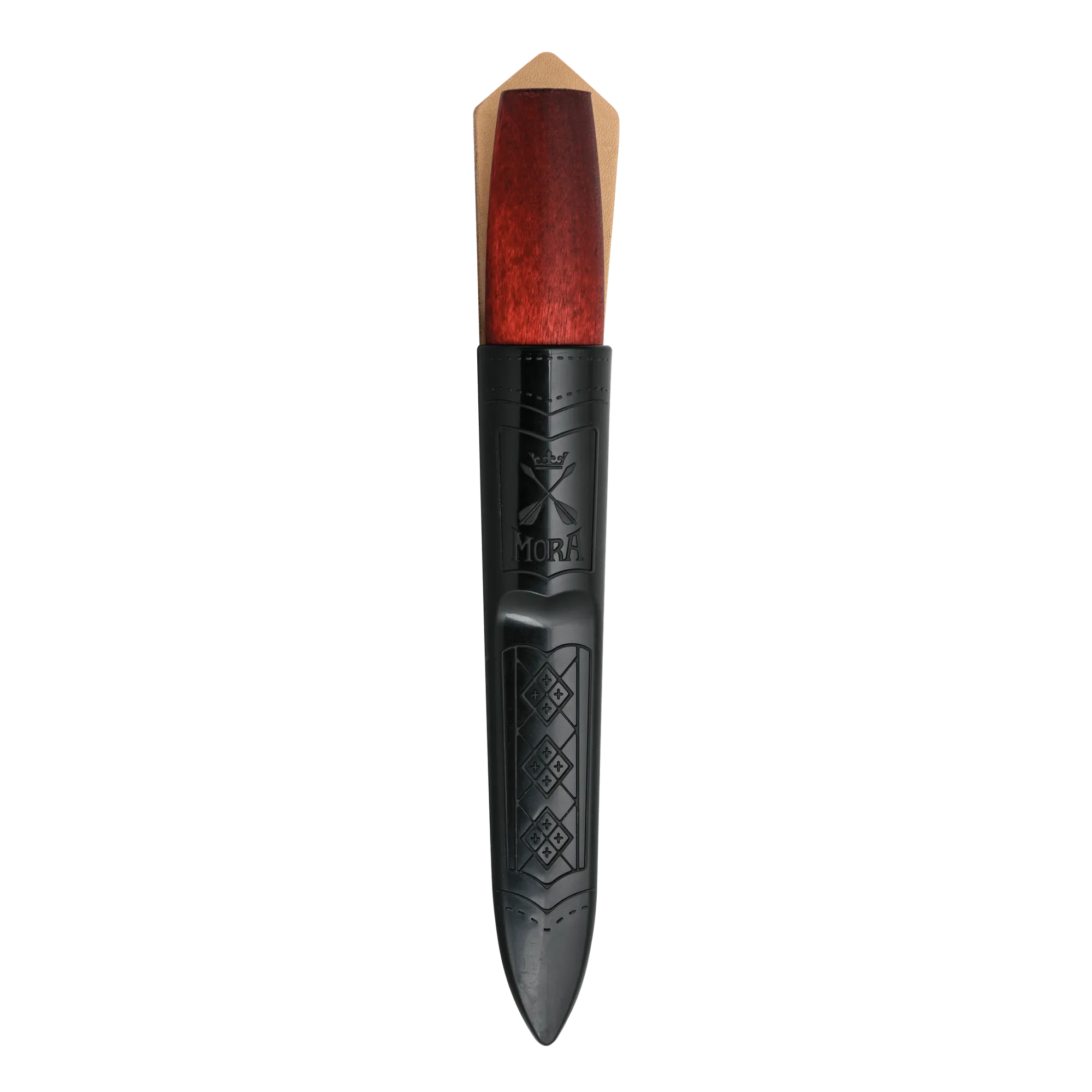
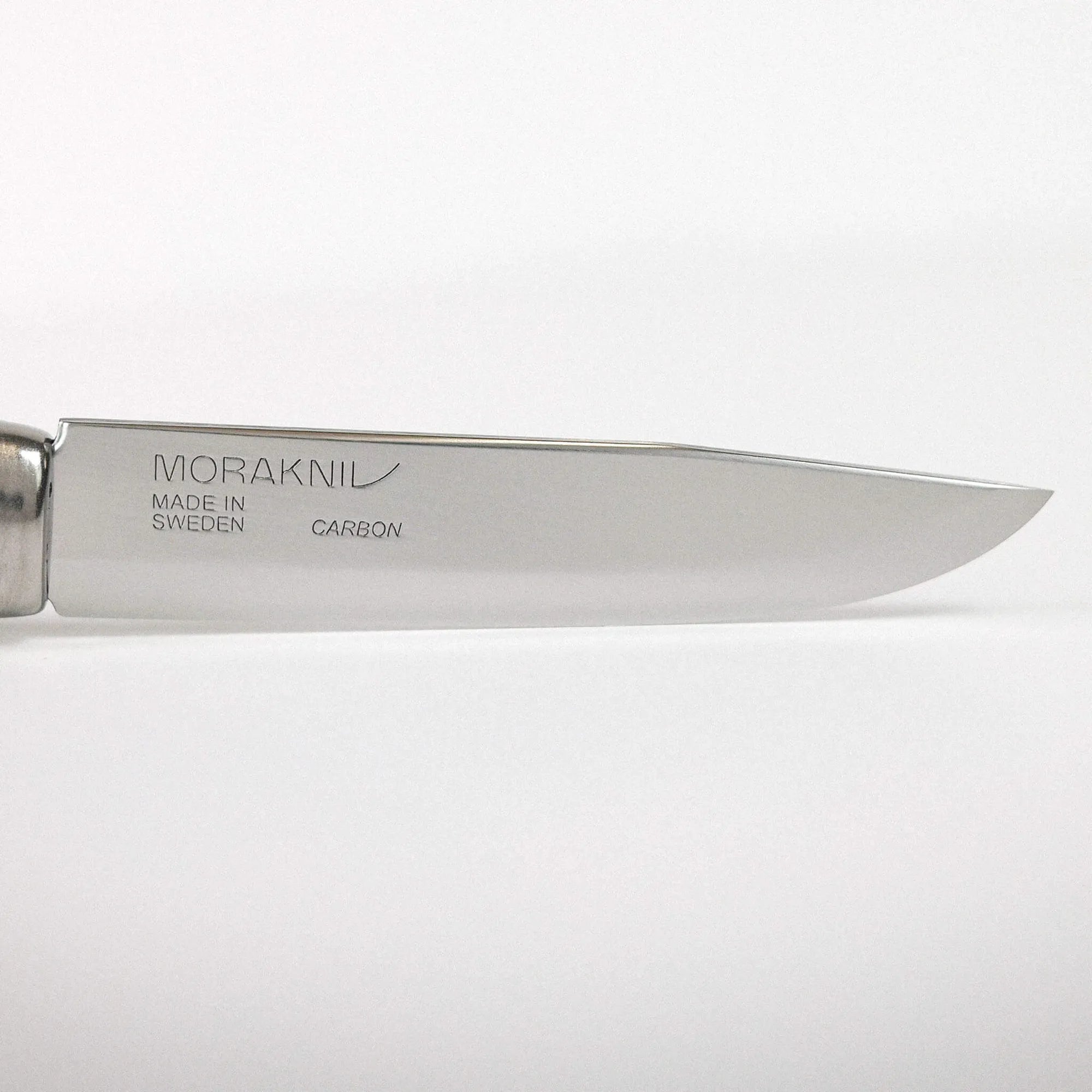
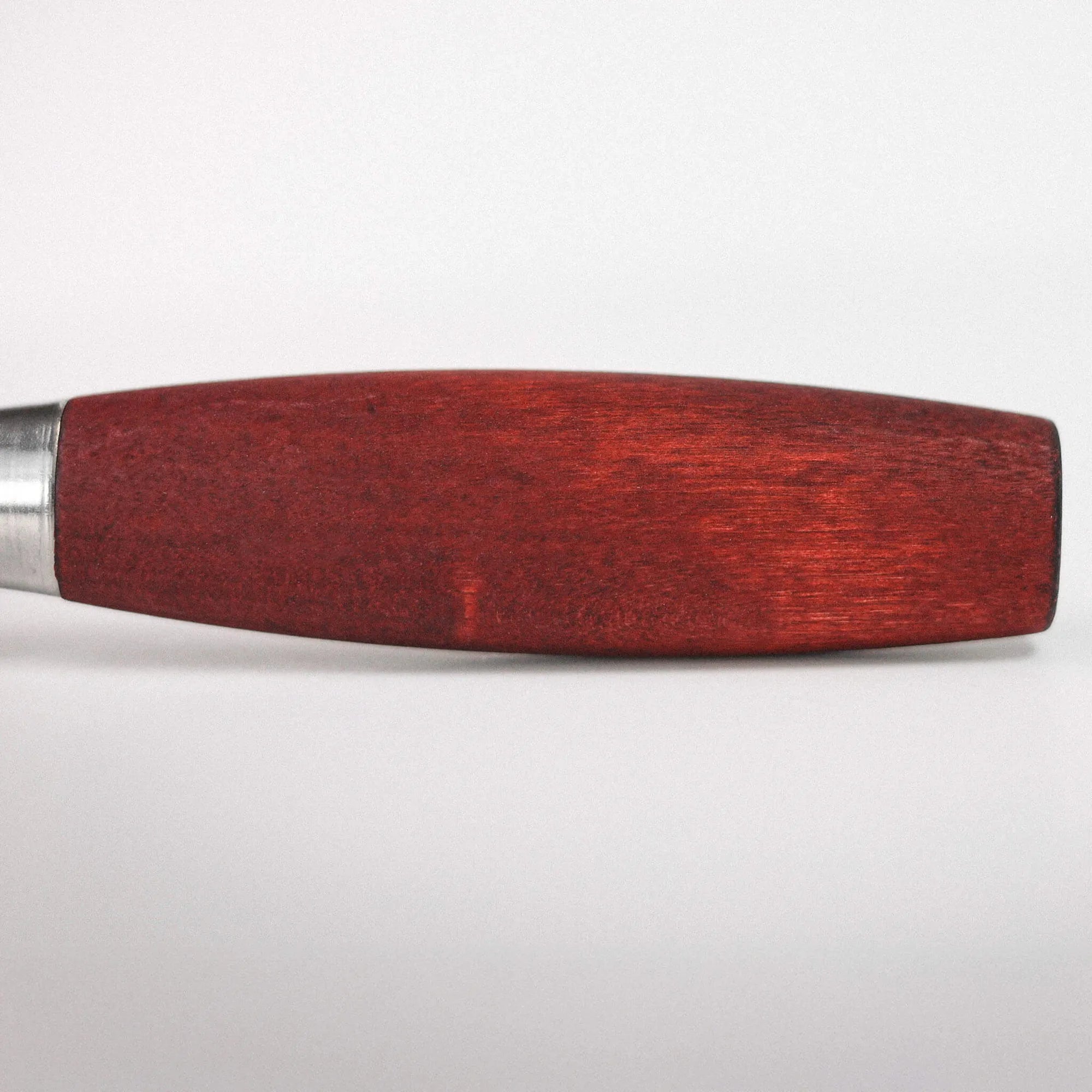
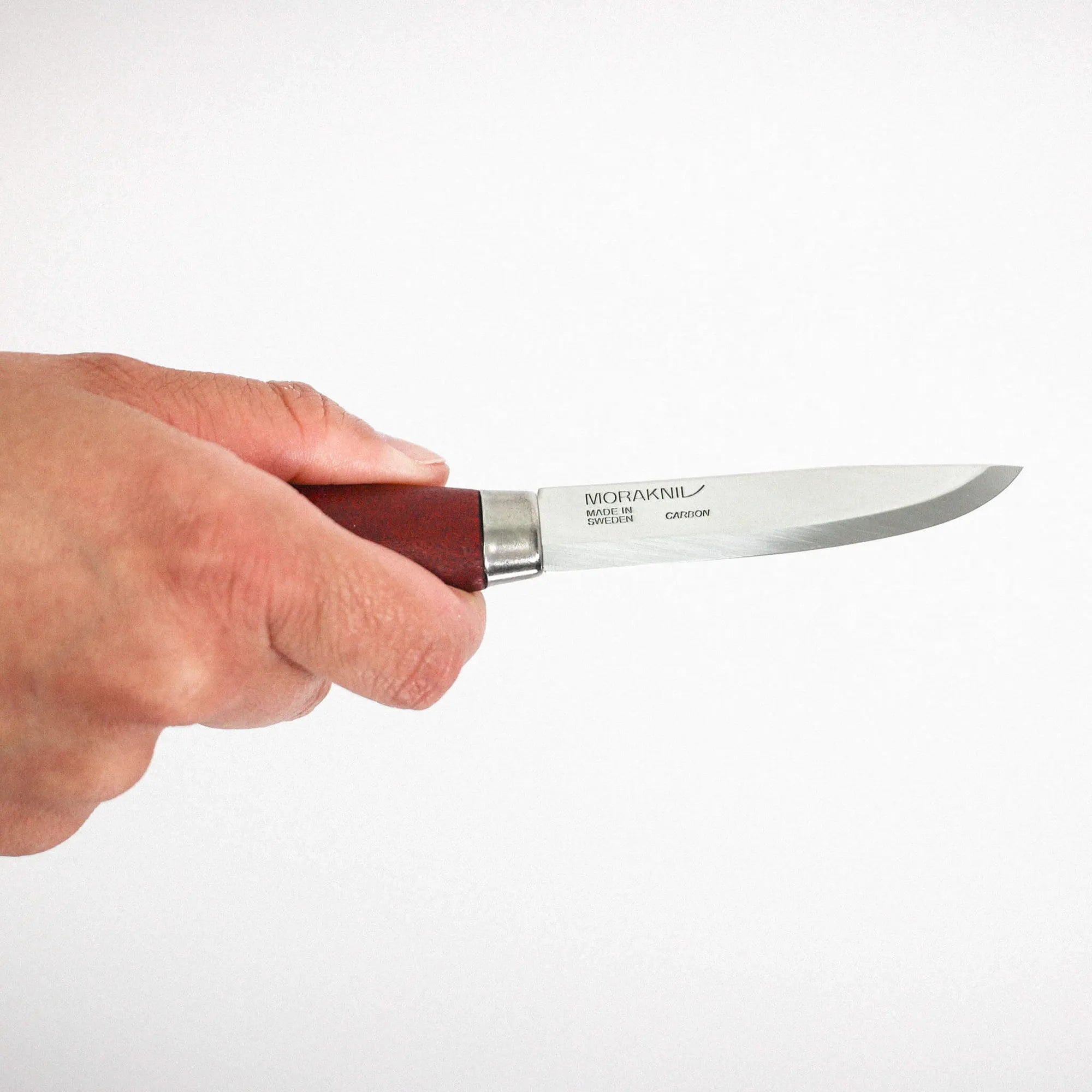
Morakniv Classic 1/0 is a timeless craft knife with a 77 mm carbon steel blade and a stained, barrel-shaped birch handle. A reliable companion for all craft projects, easy to sharpen and built to last for generations.
Included accessories: Knife Sheath
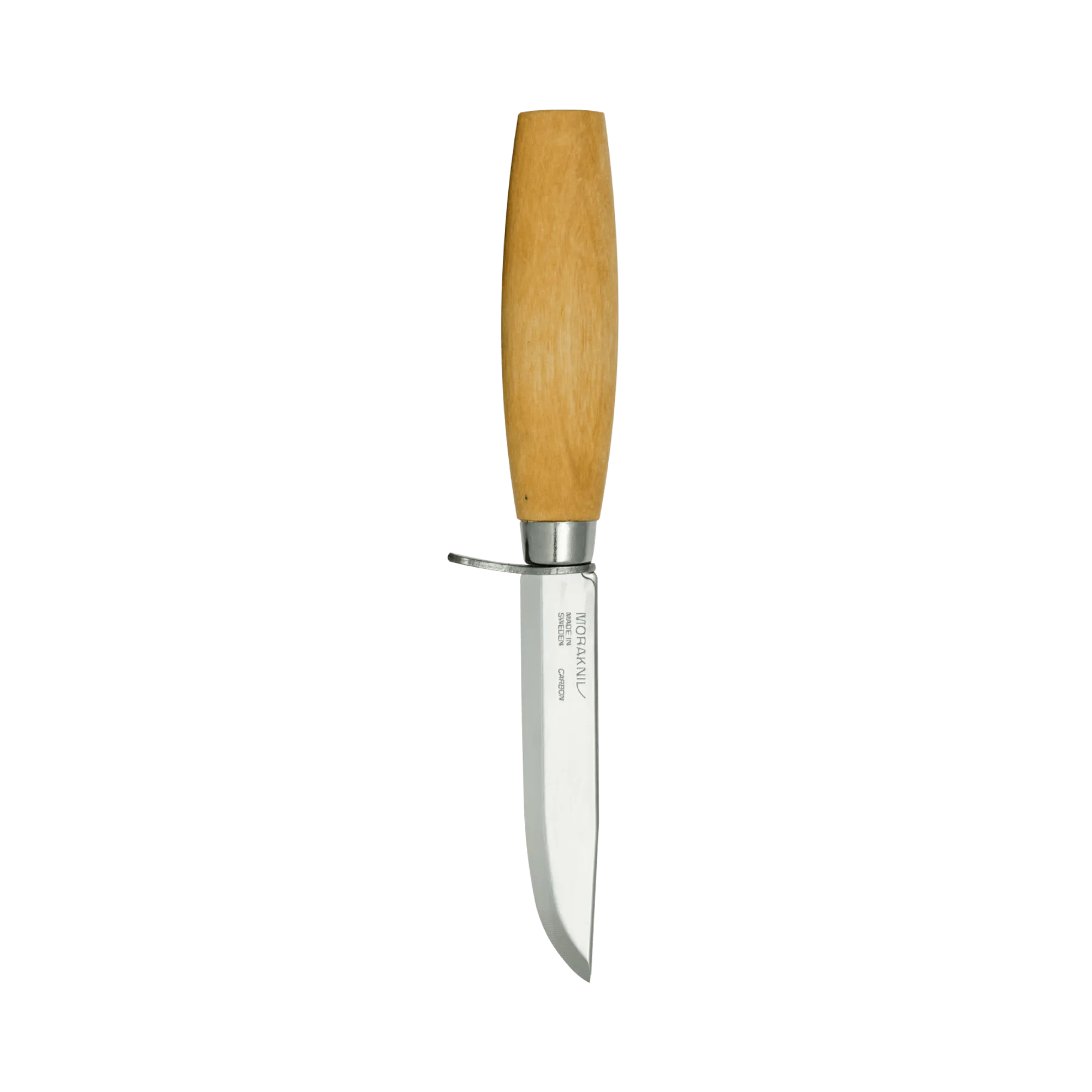


269 SEK
No. 201 (C) is a versatile all-purpose knife in German carbon steel with a full rat-tail tang. It has a linseed-oiled birch handle and a solid finger guard for a safe grip. A reliable companion for craftwork, basic carving, and everyday use. Plastic sheath included.
Included accessories: Knife Sheath
Choosing the Right Whittling Knife
A good knife should feel like an extension of your hand. When selecting your first or next whittling knife, keep these essential features in mind:Durable blade material with razor sharp blade
Our wood carving knives come in three high quality steel types, each with different properties:
- Laminated Carbon Steel (LC): The top choice among experienced carvers. These knives offer excellent edge retention and withstand lateral pressure. The blade is polished to help prevent rust.
- Carbon Steel (C): Whittling knives with high carbon steel are easy to sharpen and keep a super sharp cutting edge, but are prone to rust and require regular oiling.
- Stainless Steel (S): Durable, low-maintenance blade that retains excellent sharpness over time.
Safety Precautions and Tips
Carving is an enjoyable and relaxing hobby—but it still involves sharp blades and focused movements. Follow these safety tips:- Watch your fingers: Morakniv’s woodcarving knives come razor-sharp out of the box. Keep your fingers out of the cutting edge.
- Cut away from your body: Beginners should always carve by pushing the blade away from your body to reduce the risk of injury.
- Use a stable surface: Carve on a solid, non-slip work surface for better control.
- Start small: Begin with simple projects to build your skills and confidence.
- Sharpen your knives regularly: A sharp blade is safer than a dull one—it requires less force and is more predictable.
- Wear protective gear: Safety gloves are highly recommended for beginners.
- Don’t rush: Carving is a slow craft. Take your time and find pleasure in the process.
Chip carving and splitting knives
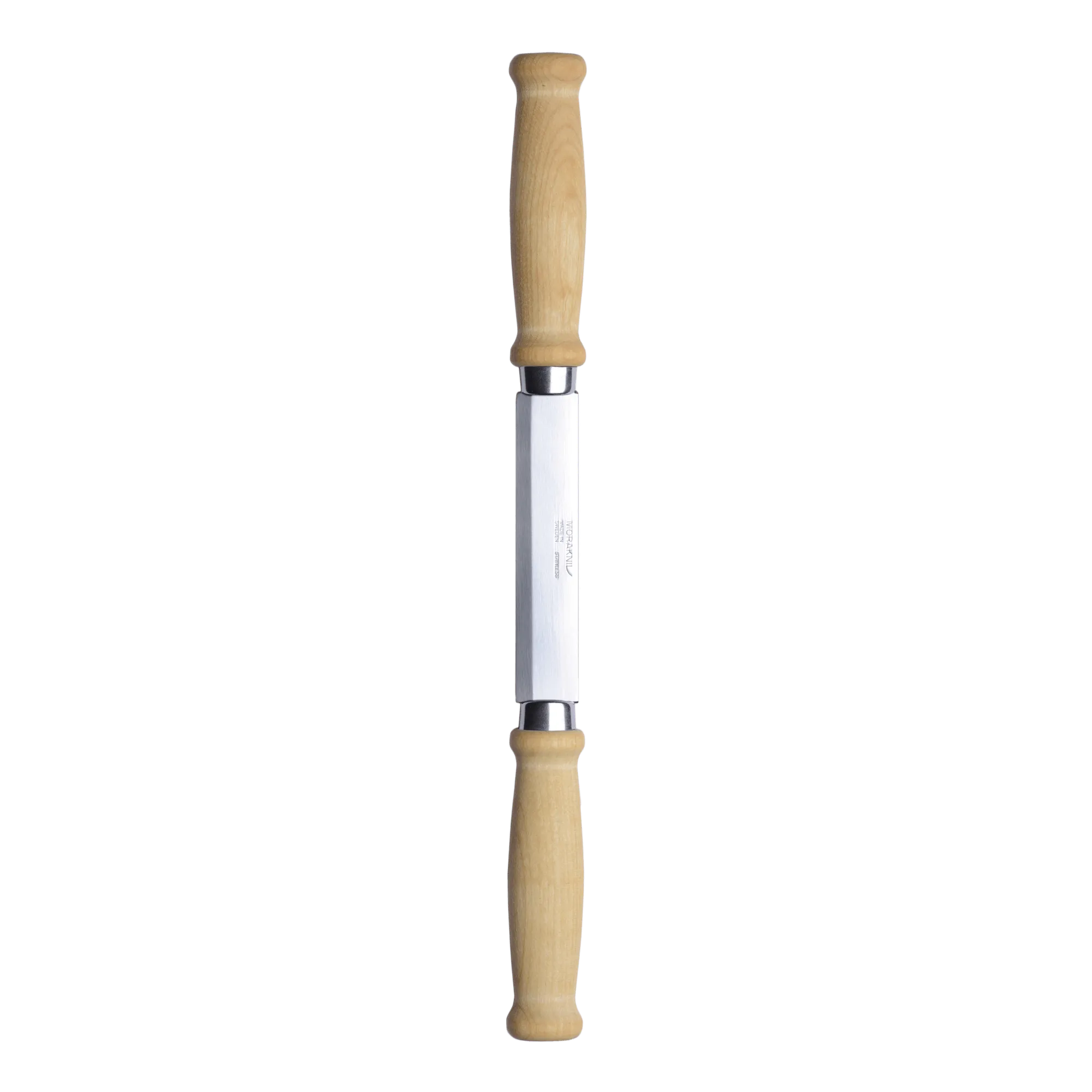
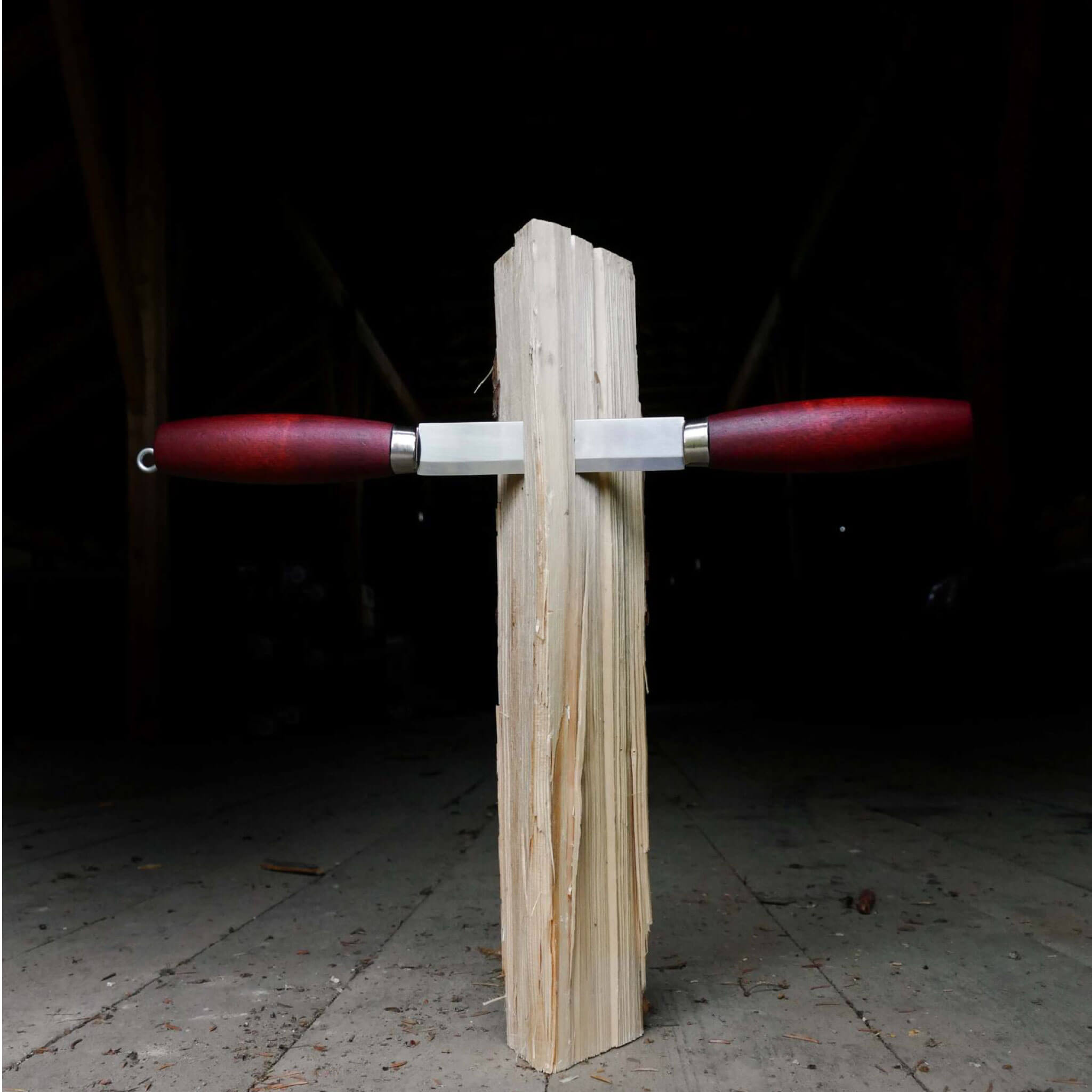
The Woodcarving 122 (LC) is highly recommended for decorative chip carving. It features a sharp, straight-edged 62 mm blade that easily creates clean patterns and detail work.Need to remove lots of material or split kindling? That’s where the Wood Splitting Knife 220 (S) come in to play: a robust two-handed tool with dual birch handles and a durable stainless steel blade.
Hook knives for right- and left-handed users
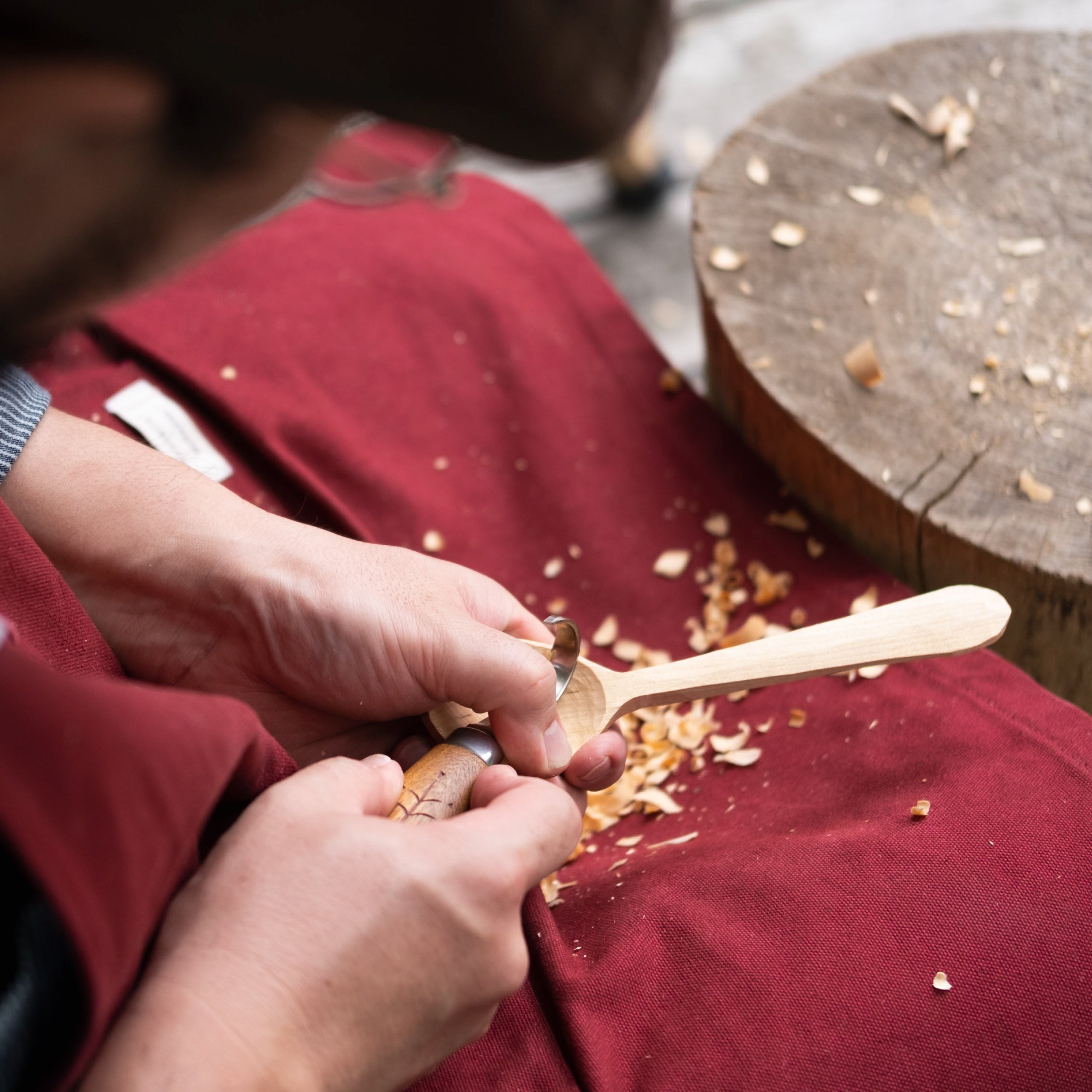
Hook knives have a curved edge that is ideal for hollowing spoons, scoops and bowls. The Hook Knife 163 has a wide curve and double-edged blade and is a good knife for shallow carving, while the Hook Knife 162 has a tighter curve for deeper hollowing.The Hook Knife 164 comes in right-handed and left-handed versions, each sharpened on one side only—allowing you to guide the blunt side with your opposite hand for extra control and precision. All hook knives are made of stainless steel and feature comfortable Scandinavian birch handles.
Start Carving: Wood Carving Techniques and Projects for Beginners
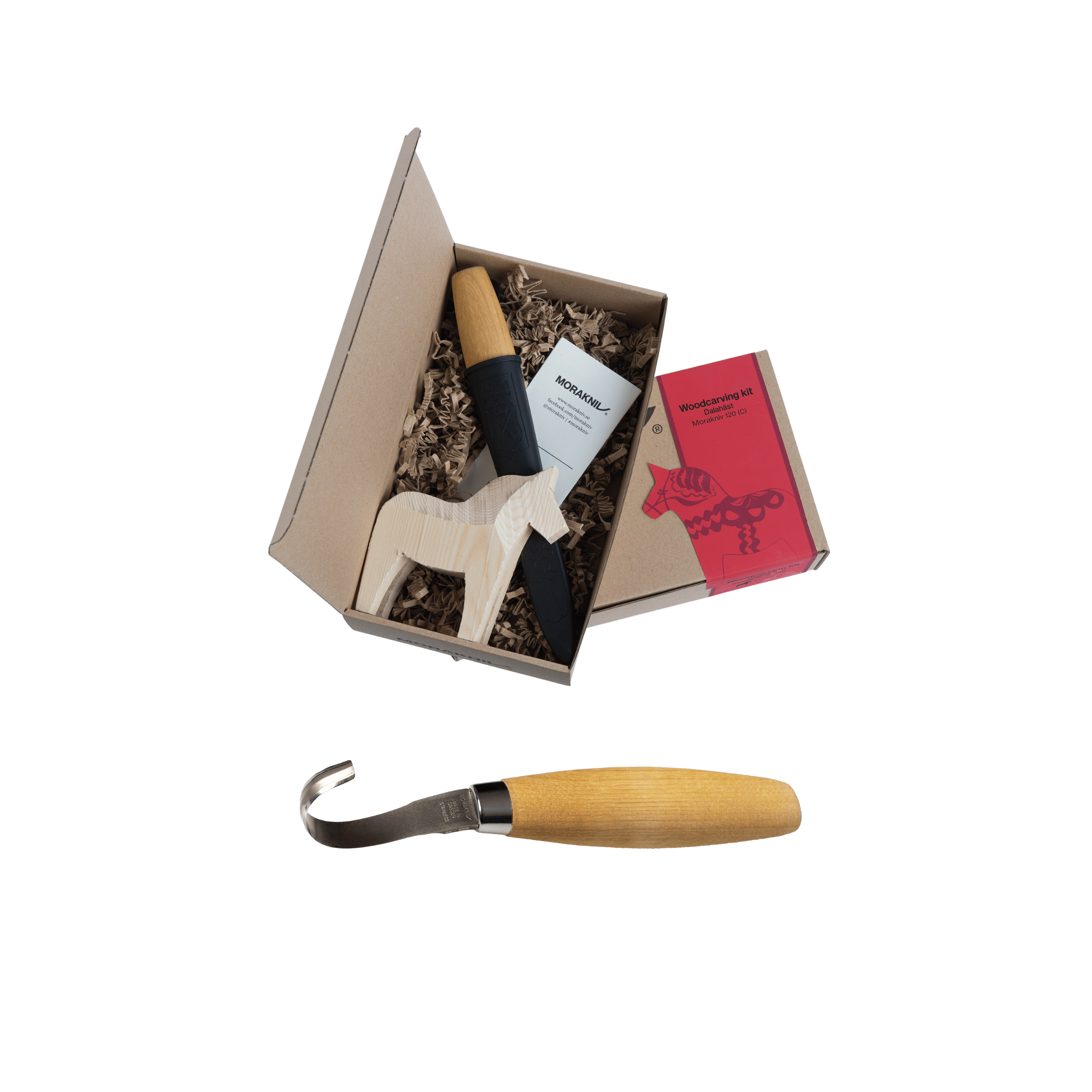
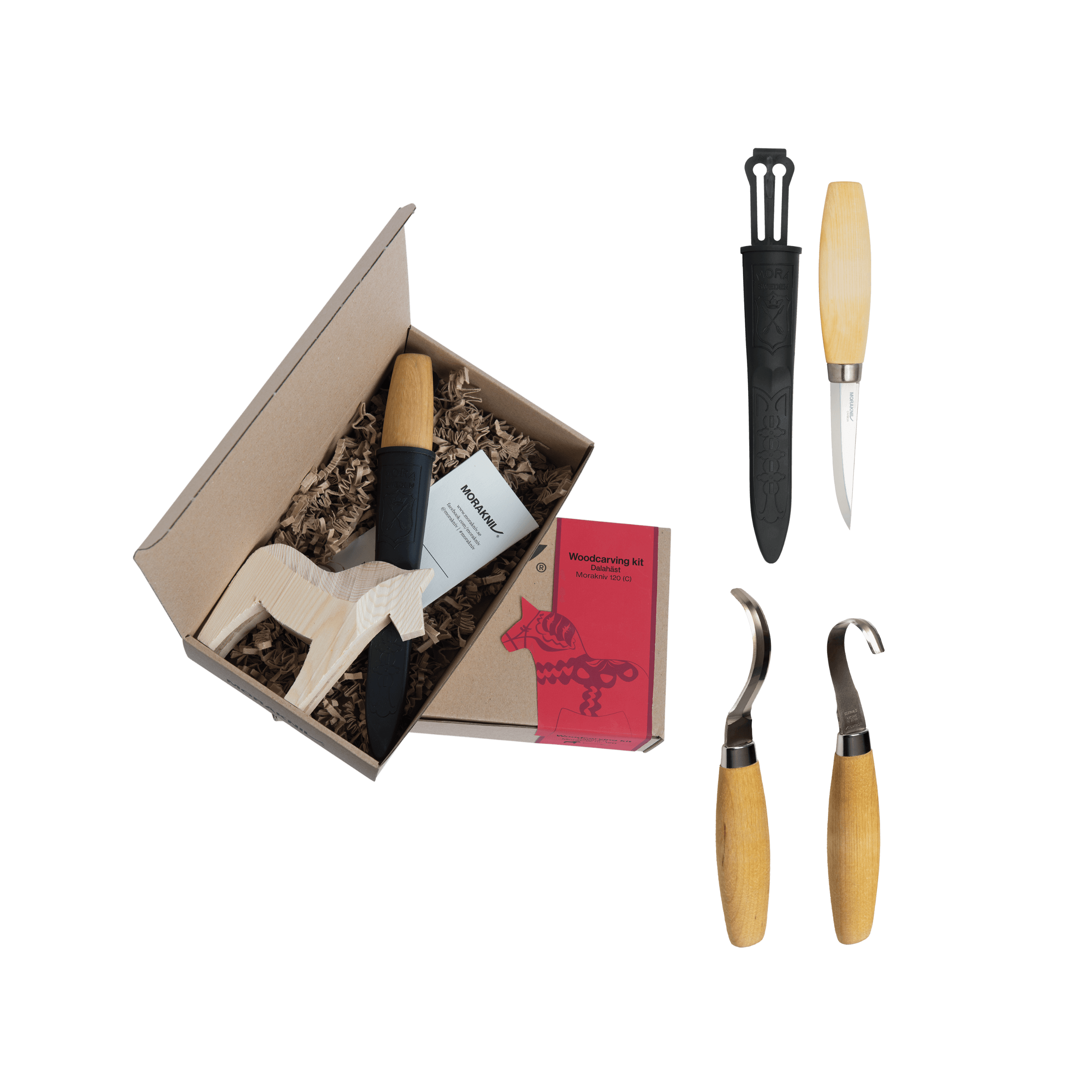
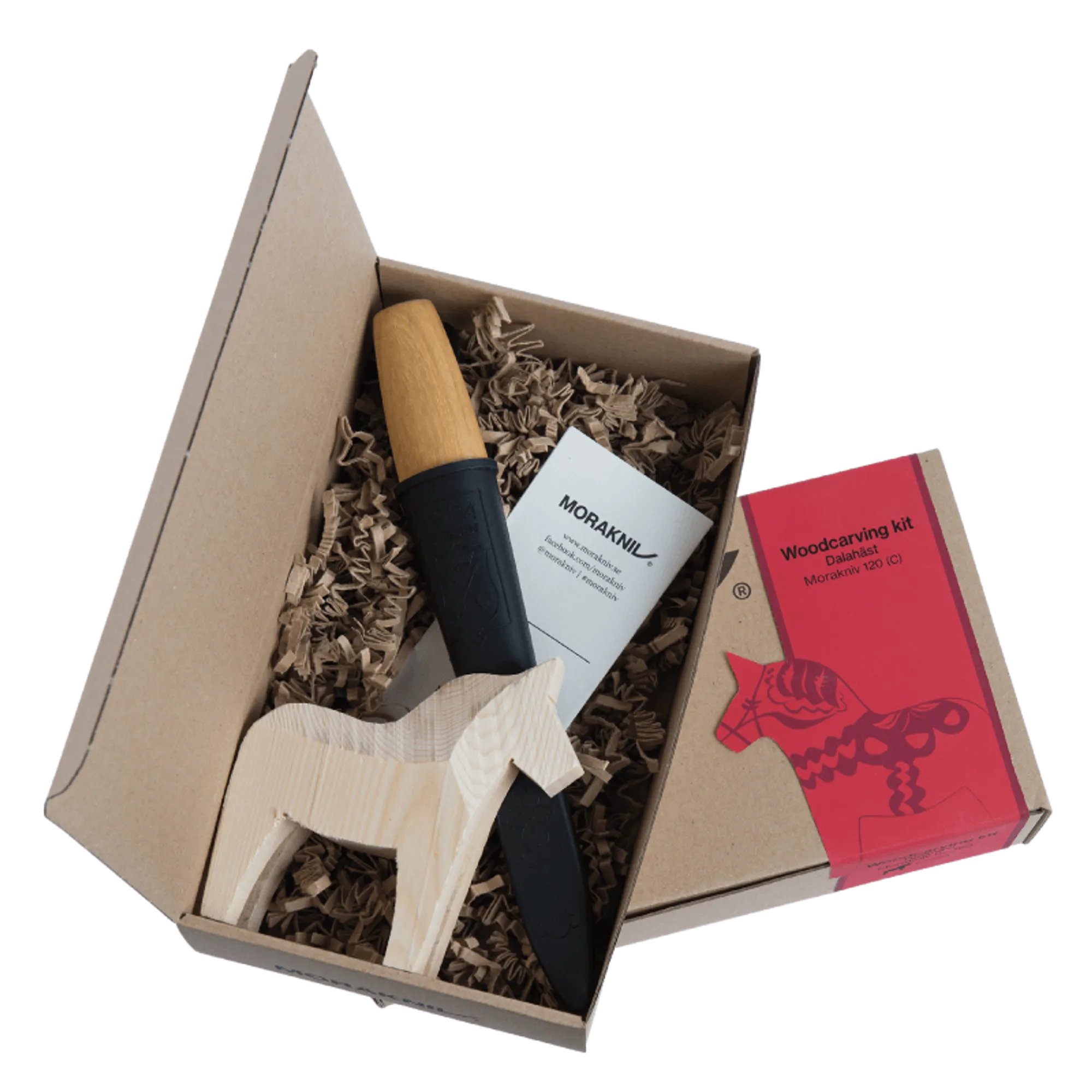
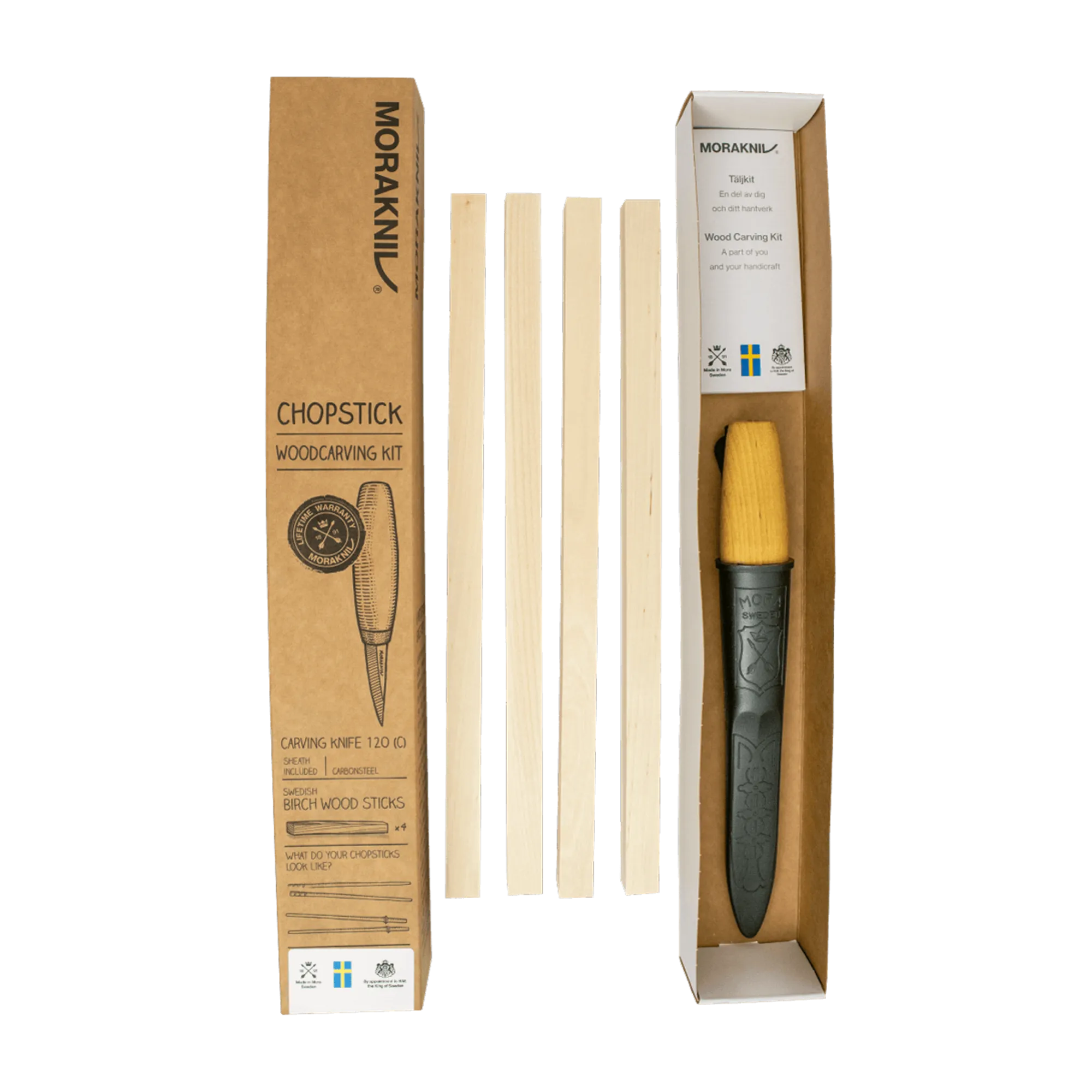
If you’re new to the art of whittling or wood carving, the best wood is softwoods like basswood or pine, since they are easy to carve and forgiving for new hands. Practice basic techniques like slicing, pushing, and scooping before moving on to more complex designs. Here are a few ideas to spark your creativity in your new hobby:- Dala horse kit: Morakniv has a great Starter Kit for beginners with everything you need to start carving. The box includes a hook knife, a carving knife, and a pre-cut Swedish Dala horse in pine wood. The Complete Kit includes a wider range of wood carving tools: two hook knives and two carving knives.
- Wooden spoon: A classic beginner project that teaches basic shaping and hollowing wood with both straight and hook knives.
- Simple animals or figures: Try carving a bird, fish, or bear from softwood. These shapes use fundamental cuts and are fun to personalize.
- Small bowls or cups: Great practice for using hook knives like the 162 or 163 to carve smooth hollows.
Advanced Wood Carving Techniques
Once you’ve mastered basic cuts and feel comfortable handling your tool kit, you’re ready to explore more advanced skills that bring greater precision and artistry to your work:- Chip carving: Detail work that involves removing small chips of wood to create decorative patterns. Knives like the Woodcarving 122 (LC) with a straight-edge blade are perfect for this precision work.
- Relief carving: Detail work that involves carving figures or images into a flat panel of wood, creating a three-dimensional effect.
- Hollowing with hook knives: For carving bowls or spoons, learning to use both push and pull cuts with hook knives like the 162 or 164 improves control and flow.
- Blade rotation: Changing the angle and direction of your cuts helps add depth and contour to your piece.
- Handle customization: Many Morakniv knives have birch handles that can be reshaped or sanded for a perfect personal fit—ideal for long carving sessions.